NASA astronaut's horrifying ISS picture of tentacled object explained

An image of a strange, tentacled object has been circulating online, with some comparing it to something out of a sci-fi movie. But what is it really?
The viral post, shared on X by NASA astronaut Don Pettit, might leave you feeling uneasy at first glance. However, the object is far less sinister than it appears, a reminder that looks can be deceiving.
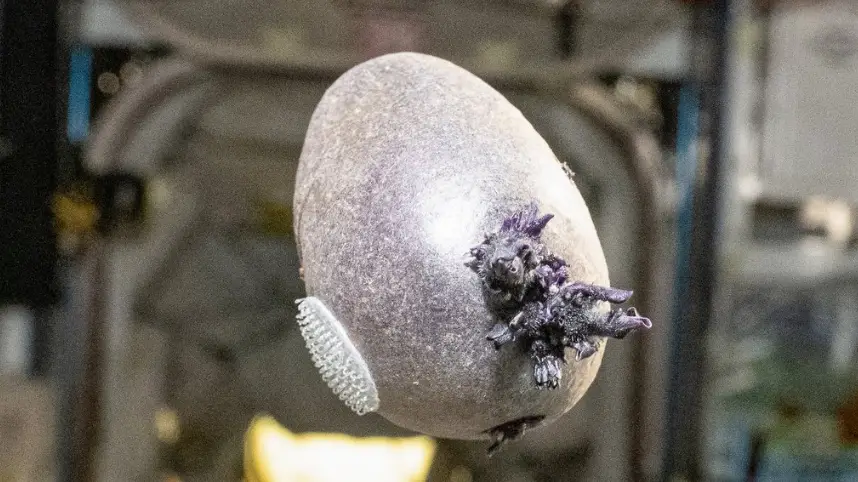
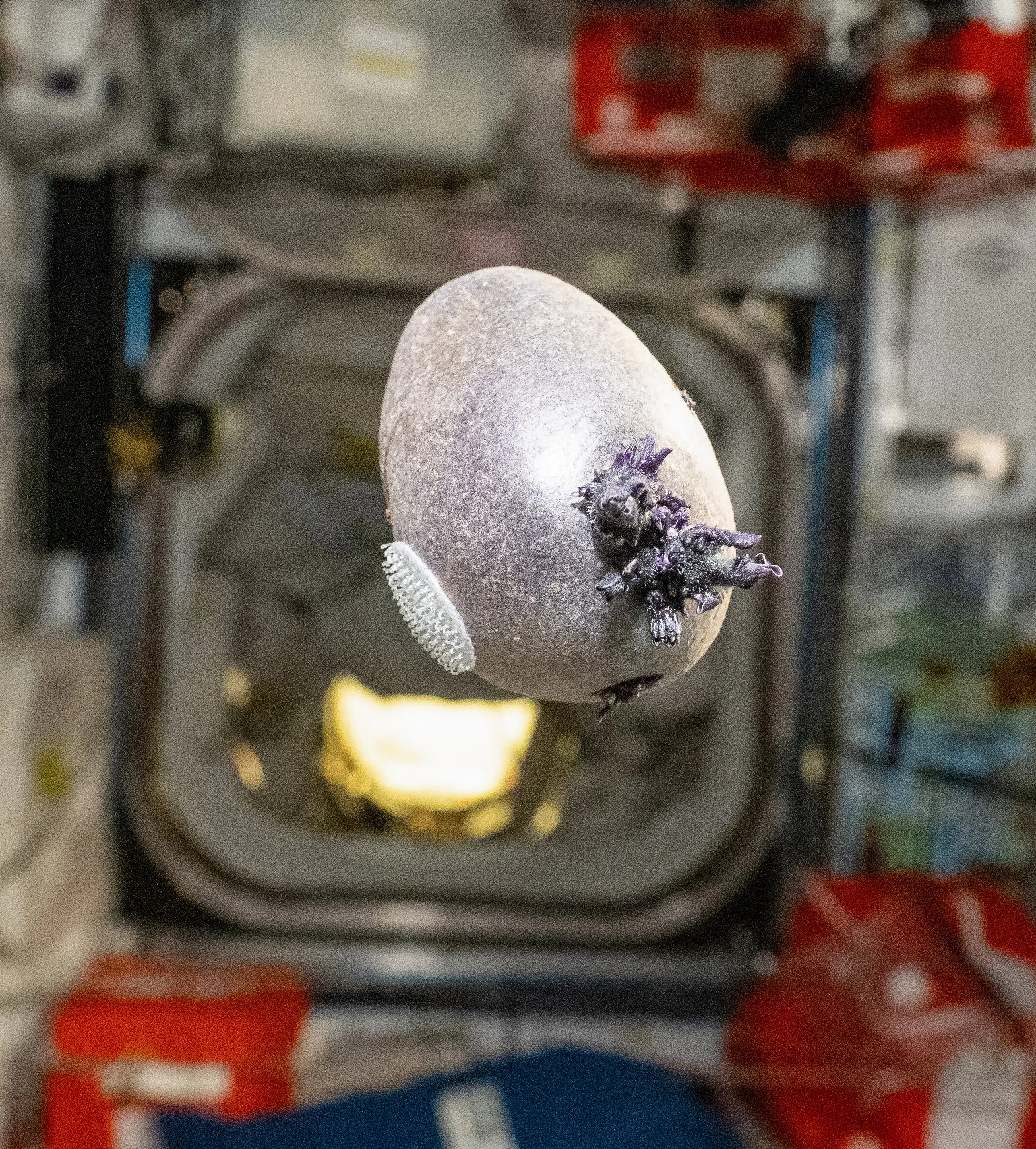
The grey, lumpy object, dubbed Spudnik-1, appears almost alien, with tentacle-like sprouts emerging from its surface.
Social media users were unsettled by the image as one commenter wrote: “I genuinely thought this was some kind of egg hatching.”
Advert
Another added: “Somehow the Velcro makes it look alien. Time to bring back quarantines.”
Someone else rather ominously said: “Thats how it starts.”
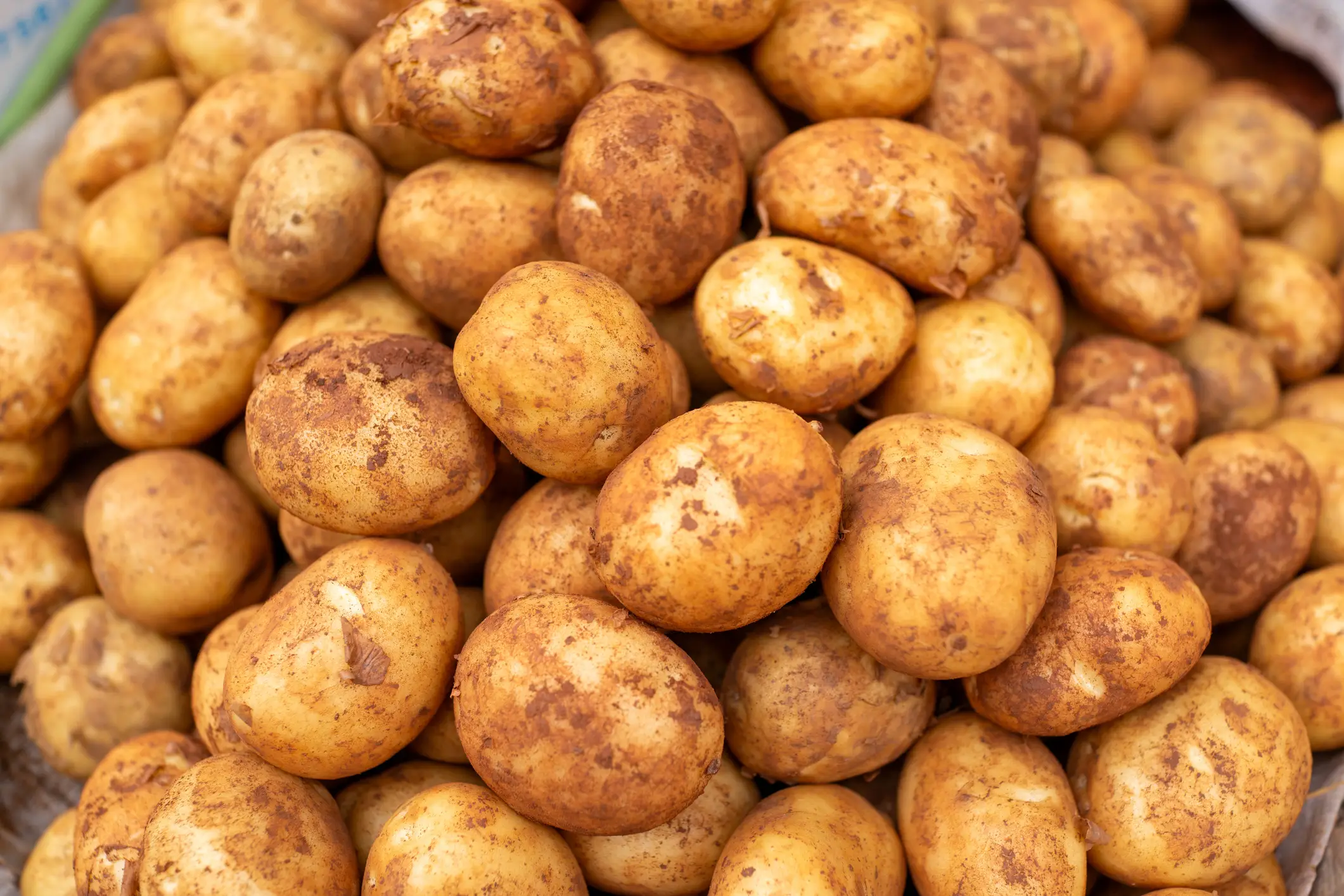
However, in reality, it’s simply a potato grown aboard the International Space Station (ISS).
So, why create something so unusual in orbit? Pettit is an avid horticulturist and grew the potato himself.
“This is an early purple potato, complete with a spot of hook Velcro to anchor it in my improvised grow-light terrarium,” he said. “I flew potatoes on Expedition 72 for my space garden, an activity I did in my off-duty time.”
Pettit explained that potatoes are actually among the least efficient crops in terms of the ratio of edible nutrition to total plant mass, including roots.
He also pointed out their cultural relevance, noting that potatoes played a key role in The Martian, both the novel and the 2015 film starring Matt Damon.
One user questioned: “How did it compare to growing potatoes on earth? Does the potato know how to send the plant above the soil and the roots/tuber down into the soil in microgravity? Do you have pictures of it as a mature plant?”
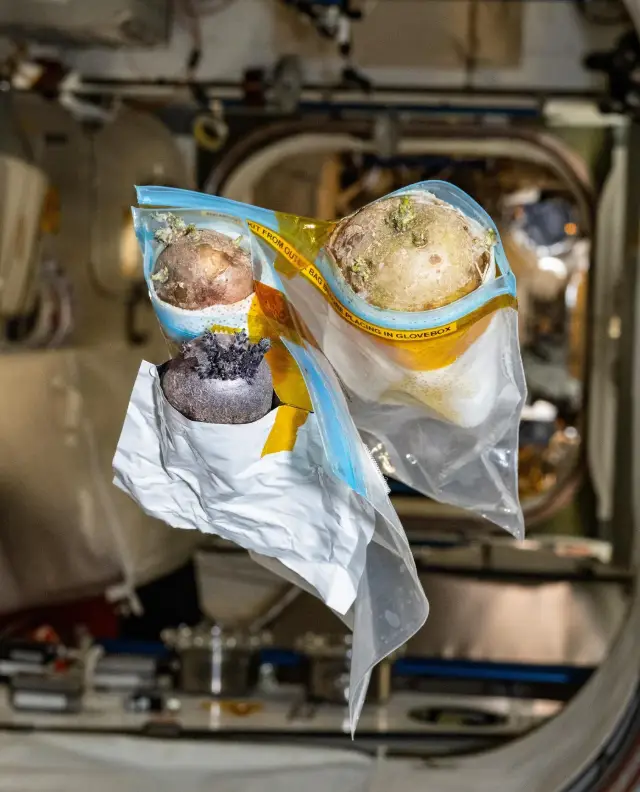
The astronaut replied: “The roots would grow in all directions absent gravity, and all plants I have ever grown in space have grown far slower than they would have on Earth.”
NASA has long been experimenting with growing plants in space — not just as a novelty, but as a necessity for future missions.
Scientists say fresh fruit and vegetables will be essential for astronauts on long-duration journeys, as vitamins in pre-packaged food degrade over time, making it difficult to maintain a healthy diet.
How does NASA grow plants in space?
Growing crops in orbit, however, comes with unique challenges. Without gravity, water doesn’t flow in the usual way and can form bubbles around roots, meaning plants must be grown in carefully controlled systems that balance air, nutrients and moisture.
To tackle this, NASA has developed specialized 'space gardens' - called the Vegetable Production System and the Advanced Plant Habitat - which use LED lighting and pillow-like growing pods, allowing astronauts to cultivate crops such as lettuce, kale and even flowers aboard the International Space Station.
Beyond nutrition, there’s also a psychological benefit. Astronauts have reported that caring for plants in space can boost mood and provide a comforting reminder of Earth during long missions.
Topics: Food and Drink, International Space Station, NASA, Weird
 Greg Harris