
People are left extremely horrified as they're just now discovering what a 'roman shower' is

People have been left horrified after discovering the true meaning of a 'Roman shower'.
You might be familiar with a Roman candle, the type of firework, but what about its shower counterpart?
Romans are known for a lot of things, conquering, roads, volcanic eruptions, and gladiators being among some of the most widely known parts of Roman life, along with stealing ancient Greek gods.
But while the internet might think that the Roman Empire is thought of by men every day, which seems unlikely, it would be significantly more unpleasant if a Roman Shower was the subject of this daily thought.
Advert
I'm sure you're starting to form some notions of the practice, and if you're thinking that it might be something sexual then unsurprisingly you are indeed on the right track, so if you don't want to read about that you might be best averting your eyes.

Some among you might think that it has something to do with people peeing on each other.
While that is a shower in sexual parlance, it's a 'Golden Shower' rather than a Roman one.
A Roman Shower does involve bodily fluids being exuded by one partner over another, but not urine.
And no, it's not faeces either.
So which bodily fluid is it that's involved in a Roman Shower?
A Roman Shower is when one partner consensually vomits over the other.
And people had a few things to say, taking to a forum on LoveHoney to share their thoughts.
One wrote: "This is a new one for me. Wouldn’t be something I’d want to try."
A second said: "Whew, just when I thought I had heard of everything, I stumble across this post. I clicked it because you know, curiosity and all but WHOA."
Meanwhile, a third posted: "I don’t enjoy being sick normally, so there’s zero chance of me doing it for a sex thrill."
But where does this very unusual sexual practice actually get its name?
It's thought that it comes from a popular misconception about Roman culture, more specifically how Romans would have feasts.
The misconception is that rich guests at a Roman feast would eat until they were fit to burst, before heading off to a 'vomitorium'.
Once there, they would make themselves throw up in order to make space so that they could go back and continue eating.
The myth has often been cited as an example of Roman excess and immorality - people who are so indulgent that they eat purely for pleasure and not even to feel full.
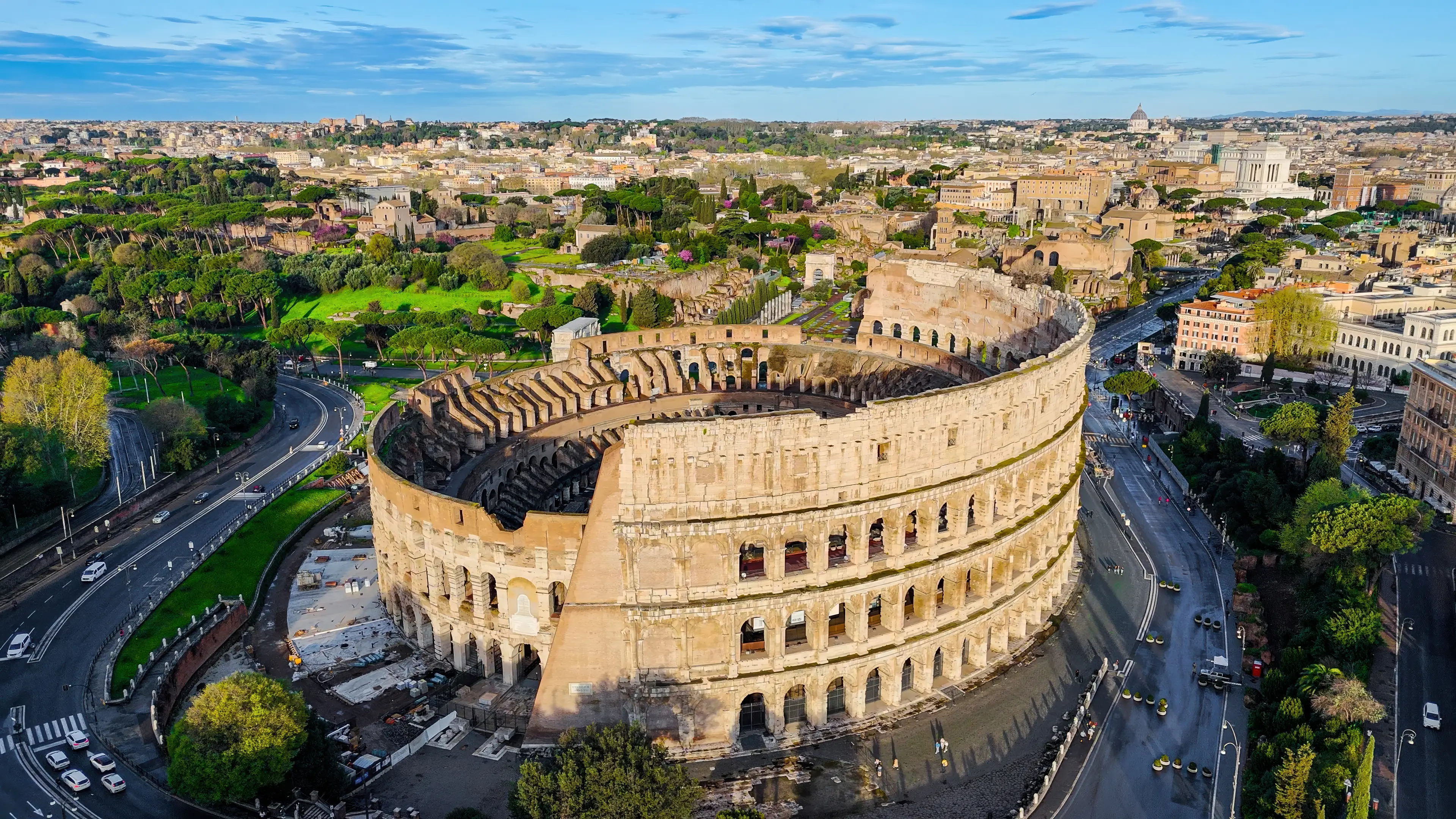
But it is just that, a myth, as 'vomitoria' were actually passages in amphitheatres which would allow the large crowds to exit quickly, with the crowds figuratively 'vomiting' out onto the streets afterwards.
In fact, a version of the term is still used in the theatre today, with exits on stage sometimes referred to as 'voms'.
Topics: News, Life, Sex and Relationships
 Kit Roberts