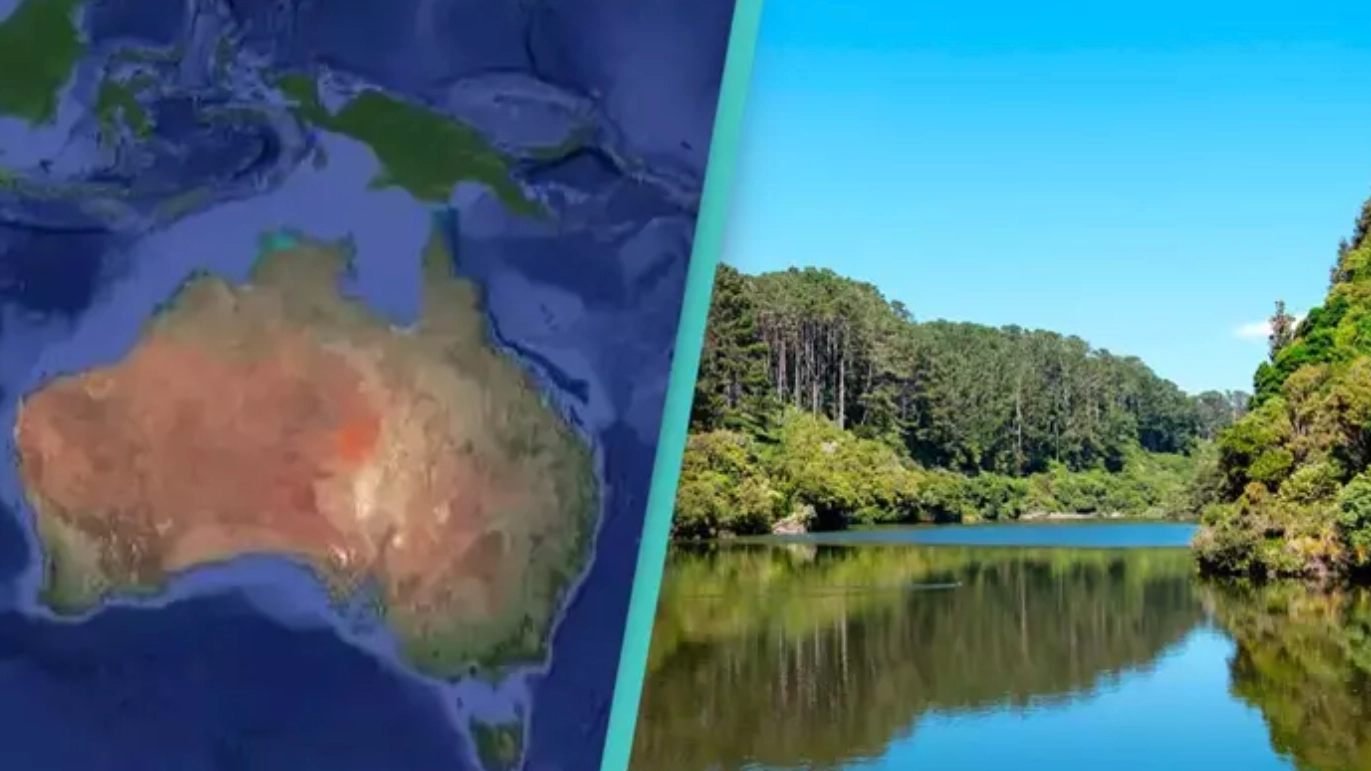
Scientists discover missing continent after 375 years

With how long the human species has been on Earth, it's surprising how many new discoveries are made each year.
Science has advanced so much over the years, with it even allowing experts to make an eye-opening discovery after reaching the deepest point on Earth.
Advert
But perhaps one of the most impressive discoveries researchers have made in recent times comes in the form of a missing continent.
We all know the seven continents of the world - Asia, Africa, North America, South America, Antarctica, Europe, and Australia, of course - but the elusive eighth continent was once part of an ancient supercontinent nicknamed the ‘great Southern Continent’.
It had been theorized about since Roman times and was even partially discovered in the 1600s.
Originally including Western Antarctica and Eastern Australia, the continent confused experts for many years.
Eventually, answers were uncovered - but it would take nearly four long centuries for geologists to finally come to agreement on the new continent.
So, let’s take things back to the initial discovery.
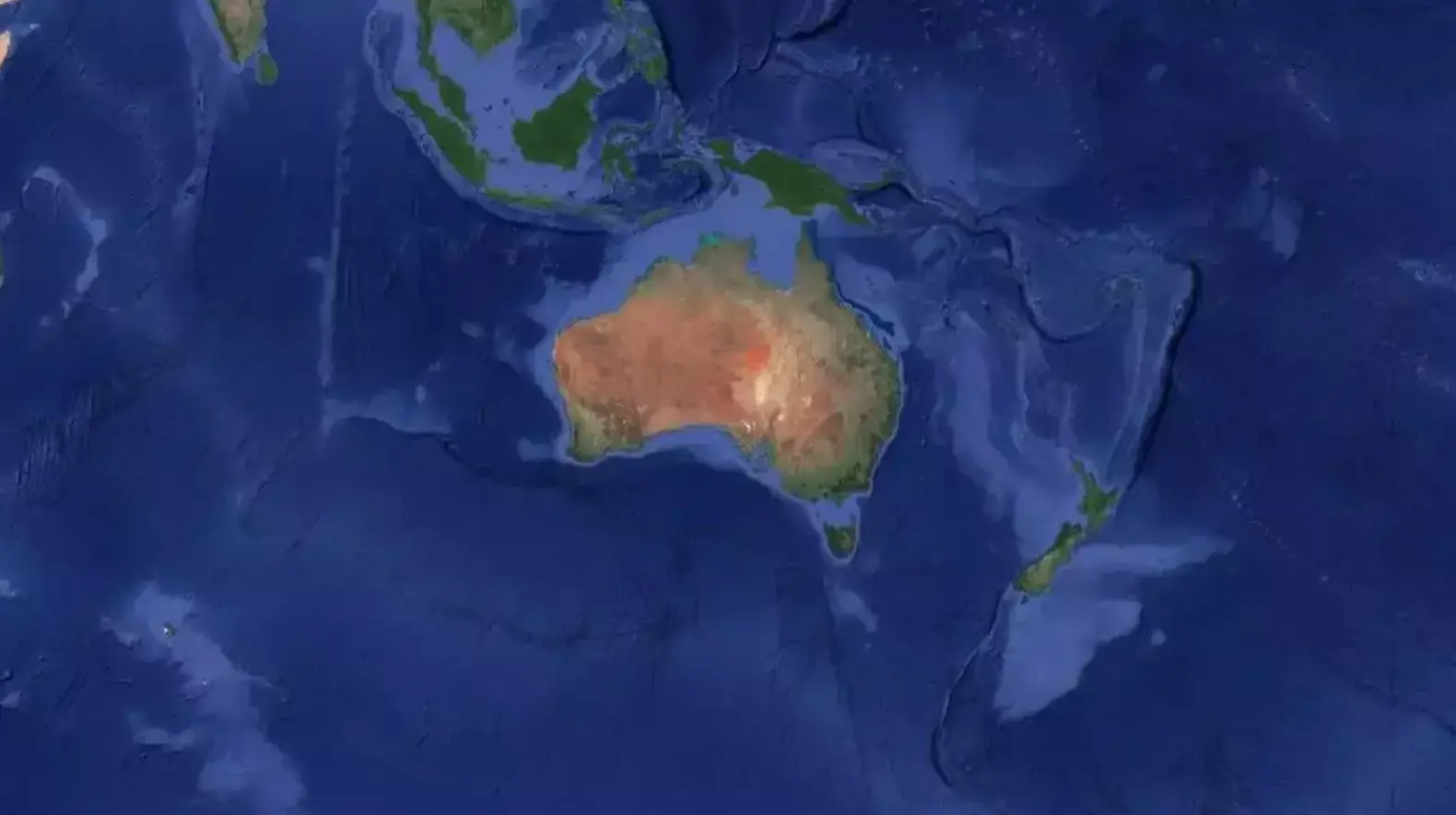
In 1642, Dutch businessman and sailor Abel Tasman set out to find the elusive eighth continent - also known as Terra Australis in Latin.
Setting sail from Jakarta, Indonesia, Tasman eventually landed on the Southern Island of New Zealand and started to explore.
Before he could set foot on dry land, he encountered the local Māori who were, well, less than impressed with the European sailor.
In fact, they were so frustrated by his presence that they rammed a boat passing messages between the Dutch ships with a canoe, killing four people.
Having failed to find the new land, Tasman travelled back home and never returned - ironically, this was the first time anyone would record information about the mysterious eighth continent.
Almost 400 years later, GNS geologists announced the discovery of a new continent called Zealandia or Te Riu-a-Māui, in the Māori dialect.
It turns out the continent, which is roughly 1.89 million square miles (4.9 million sq km) and had been hiding in plain sight, is mostly underwater.
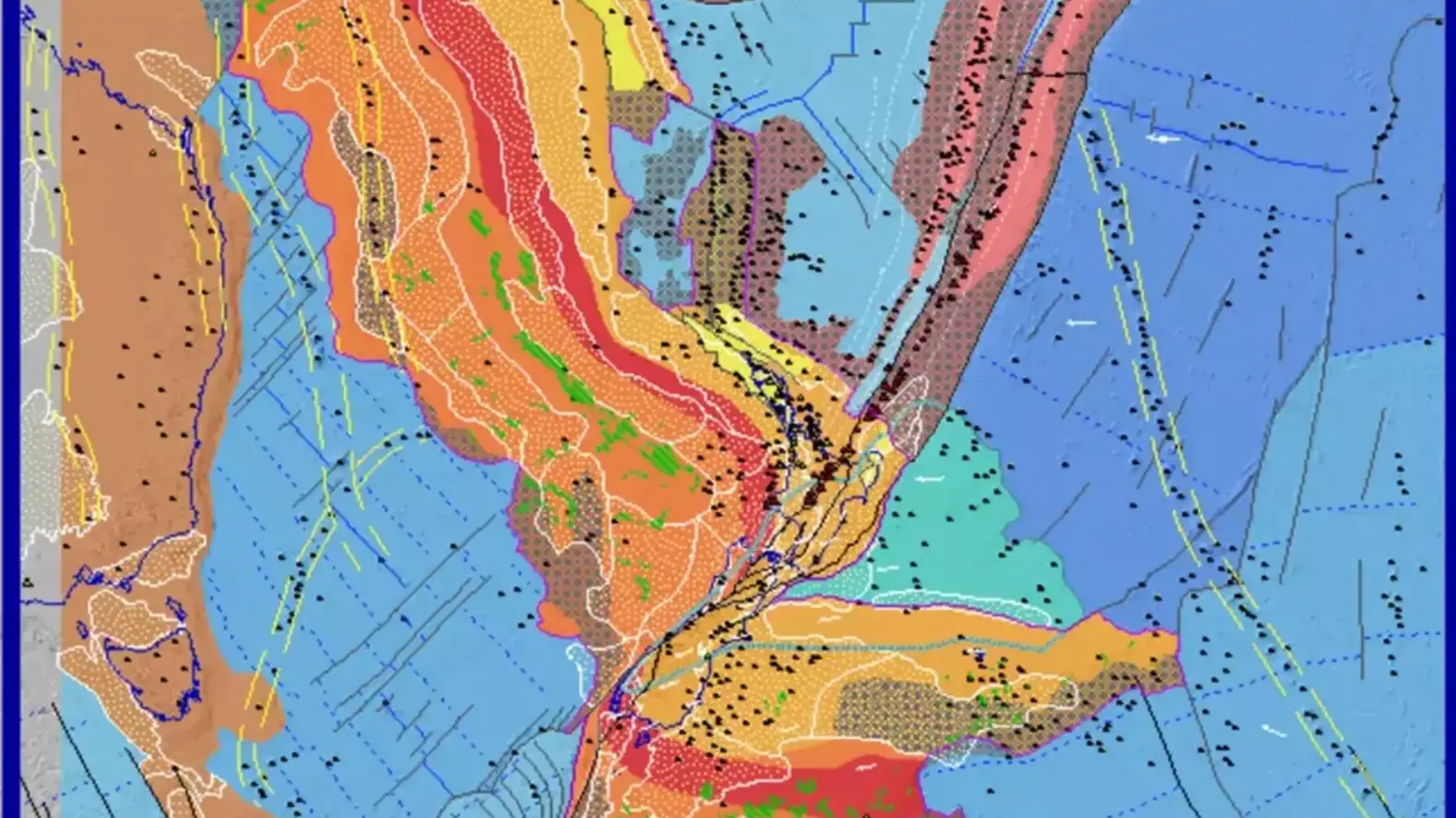
The vast continent had also been part of the ancient supercontinent of Gondwana, which also included most of Western Antarctica and Eastern Australia, over 500 million years ago.
However, roughly 105 million years ago, Zealandia began to ‘pull away’ from the supercontinent for reasons geologists still don’t fully understand.
As Zealandia did this, it began to sink beneath the waves with over 94 percent remaining underwater for millennia.
"This is an example of how something very obvious can take a while to uncover," explained Andy Tulloch, one of the geologists at the Zealand Crown Research Institute GNS Science who made the 2017 discovery.
The man who led the study, Nick Mortimer, joked that it was ‘kind of cool’ and explained why it took so long for the discovery.
"If you think about it, every continent on the planet has different countries on it, [but] there are only three territories on Zealandia," he said.
Topics: Science, Australia, World News, News
 Callum Jones