
This is what happened to the country that tried Universal Basic Income for two years

Universal Basic Income was tested in a country for two years and here's how it all turned out.
With many countries having been plunged into a cost of living crisis, money is on the forefront of lots of people's minds and it's long been debated whether, in order to help lift people out of poverty, there should be a Universal Basic Income (UBI), but would that really work?
What is Universal Basic Income?
UBI is the idea of setting up a government program which sees every citizen of a country handed a set amount of money to cover their basic needs - i.e. food, water, electricity - without having to take any sort of test or qualify under any sort of special categories.
While many have spoken out in favor of the idea, seeing it as a way to help reduce poverty and give people a base level financial security, those who oppose it have argued it could cause laziness and put people off working.
Advert
So, one country decided to just put it to the test.

The experiment
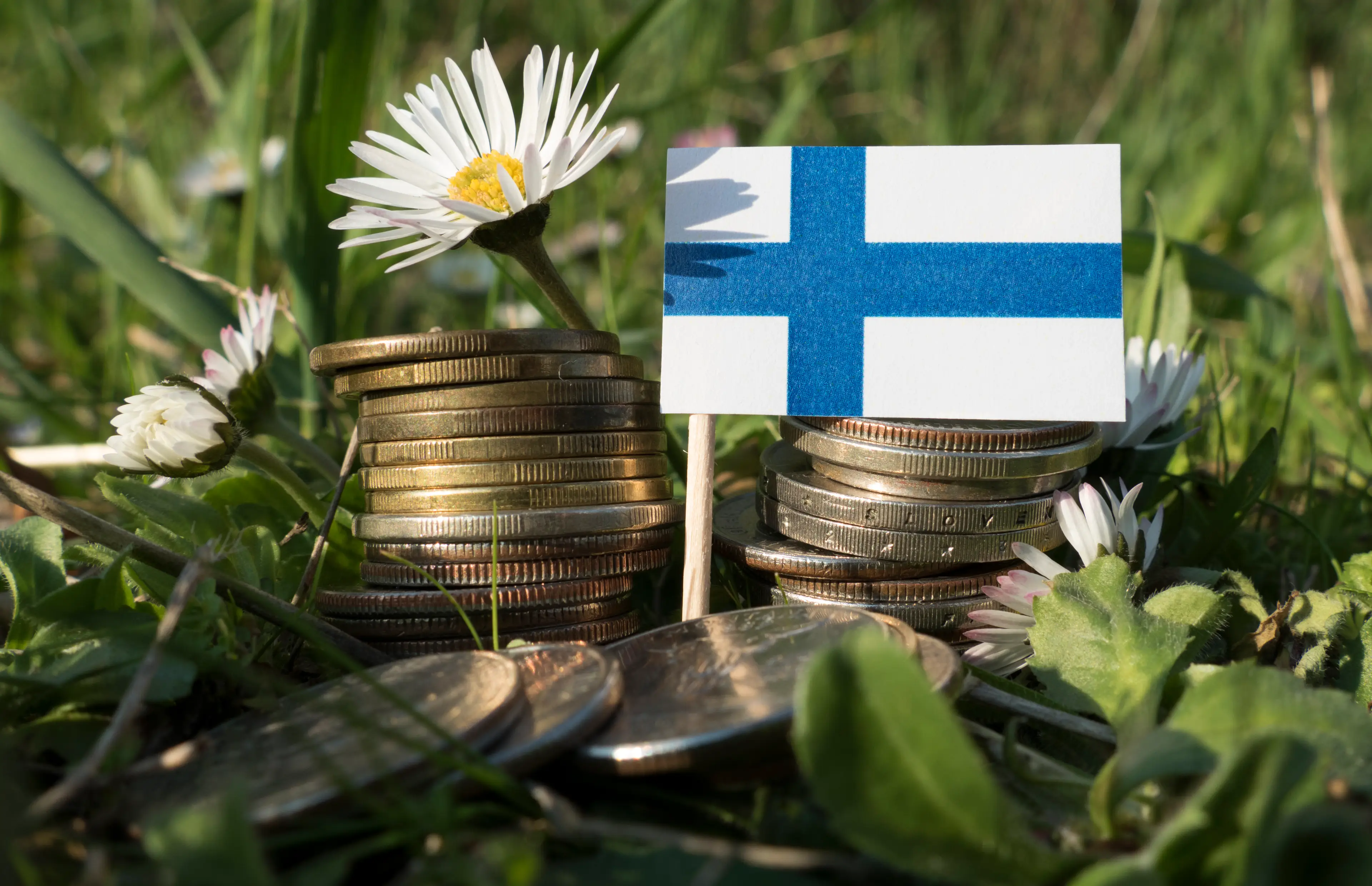
Finland conducted a two-year trial which gave a random selection of 2,000 people currently out of work €560 ($605) a month.
The money was given unconditionally, meaning it didn't matter what sort of savings they had nor if they were looking for jobs or later became employed.
The experiment measured what sort of reaction they got against a control group of 173,000 people on unemployment benefits.
But what were the results?
Results
In the end, Finland didn't roll out Universal Basic Income nationwide, so what impact did the trial have and why didn't the Finns stick with it?
Well, according to the World Economic Forum, the people who were on UBI felt they were doing slightly better than the control group of people on unemployment benefits.
Of the people on UBI, 13 percent said they were 'living comfortably' and 47 percent were 'doing ok', compared to eight percent and 44 percent from the control group.
Those on the scheme also spent slightly more time on average in employment than those on benefits too. Between a measured period of November 2017 and October 2018, the average UBI recipient worked 78 days compared to 73 days for someone on benefits.
People on UBI also seemed to be happier and had greater wellbeing, as 22 percent on the scheme said they felt depressed compared to 32 percent in the control group, while people's overall wellbeing increased by 36 percent. Asked to score how satisfied they were with their life, the average person on UBI scored themselves as a 7.3, while the control group's average was 6.8.
In general, that looks like people were slightly more financially comfortable and worked a little bit more than someone on unemployment benefits, and were significantly happier with their lives too.

So, what happened for this not to become the norm in Finland?
According to Insider, a number of politicians started seeing UBI as a way to 'encourage a poor work ethic', which also hamstrung the experiment.
The scheme didn't massively help people find jobs as had been hoped, and the entire test itself ended up getting criticised as being a flawed attempt at figuring out what UBI could do.
One of the issues with doing tests of UBI on a few people is that you really aren't holding up the 'U' part of the deal, as the Finnish tested only targeted a specific group of people.
You can see what a group of people will do on basic income, but you can't test what happens if that money is given to everyone unless the entire country is on the scheme.
On top of that, in 2018 while the scheme was going on the Finnish government introduced stricter conditions for accessing unemployment benefits, which may have affected the trial.
There were also criticisms of the small size of the research group and the low monthly amount of money they received, with the original plans for 10,000 people to get about €1,000 ($1,080) a month.
Topics: Money, World News, Science, Mental Health
 Joe Harker