unilad homepage
  • News
    • UK News
    • US News
    • World News
    • Crime
    • Health
    • Money
    • Sport
    • Travel
  • Film and TV
    • Netflix
  • Music
  • Tech
  • Features
  • Celebrity
  • Politics
  • Advertise
  • Terms
  • Privacy & Cookies
  • LADbible Group
  • LADbible
  • SPORTbible
  • GAMINGbible
  • Tyla
  • UNILAD Tech
  • FOODbible
  • License Our Content
  • About Us & Contact
  • Jobs
  • Latest
  • Archive
  • Topics A-Z
  • Authors
Facebook
Instagram
X
Threads
TikTok
YouTube
Submit Your Content
Scientists divided over what will happen to men as Y chromosome is disappearing

Home> News

Updated 17:37 29 Apr 2023 GMT+1Published 17:36 29 Apr 2023 GMT+1

Scientists divided over what will happen to men as Y chromosome is disappearing

It seems the scientific community are split on the disappearing Y chromosome and whether it means the end of the ‘man’ part of humanity

Katherine Sidnell

Katherine Sidnell

google discoverFollow us on Google Discover
Featured Image Credit: Stefan Dahl Langstrup / Sebastian Kaulitzki / Alamy Stock Photo

Topics: Science, Technology

Katherine Sidnell
Katherine Sidnell

Katherine is an entertainment journalist with a love of all things nerdy. Starting out writing Doctor Who fan fiction as a kid, she has gone on to interview the likes of Matt Damon, James May and Dua Lipa to name a few. Published in The Sun, The Daily Mail and Evening Standard - she now joins Ladbible as resident nerd in chief.

X

@ksidnell

Advert

Advert

Advert

Scientists are divided after discovering that the Y Chromosome is disappearing.

The genetic marker largely determines our assigned sex at birth, but it's thought to have slowly disintegrated over the millennia humans have existed.

Now, researchers are theorising what will happen to men should the Y Chromosome disappear from our genetic makeup – but not everyone agrees.
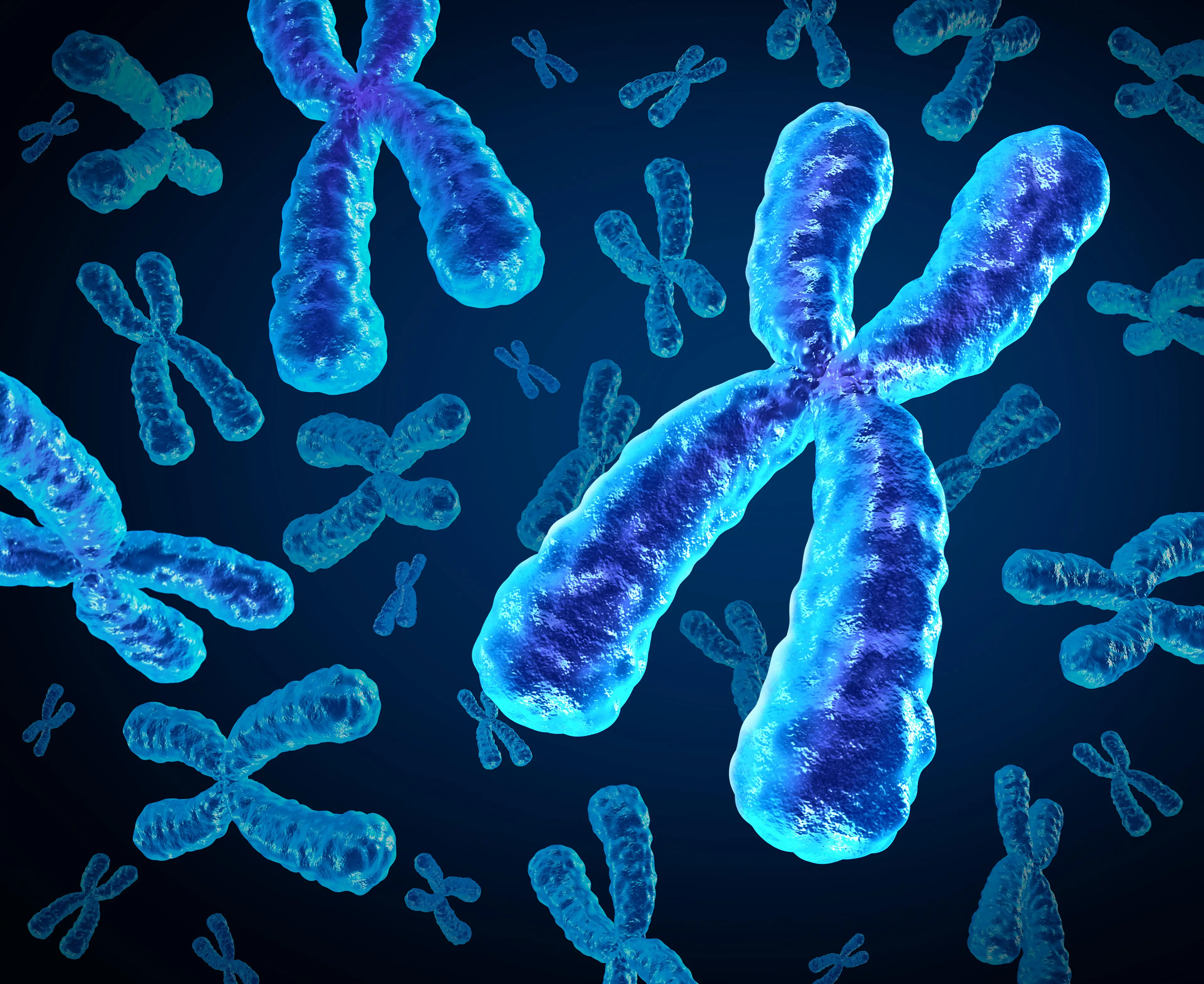
The Y chromosome is slowly disappearing.
Brain light / Alamy Stock Photo

Advert

Thankfully, the Y chromosome is not necessary for life as women only carry XX chromosomes throughout their lives.

Meanwhile, men will have an XY chromosome with the latter carrying the ‘master switch’ gene (SRY) which determines biological sex.

Sadly though, the Y chromosome usually appears to be slightly shrivelled compared to its counterpart.

It’s led scientists to carry out a study into why this occurred, suggesting that the Y chromosome has degenerated over the estimated 3.5 billion years we’ve existed.

If this continues, they estimate that the genetic marker has roughly 4.6 million years left before it disappears from our DNA altogether.

This is due to the Y chromosome having only one copy - passed from father to son - which has degraded over time - unlike other chromosomes that are in pairs.

So, is this the end of the ‘man’ part of humanity?
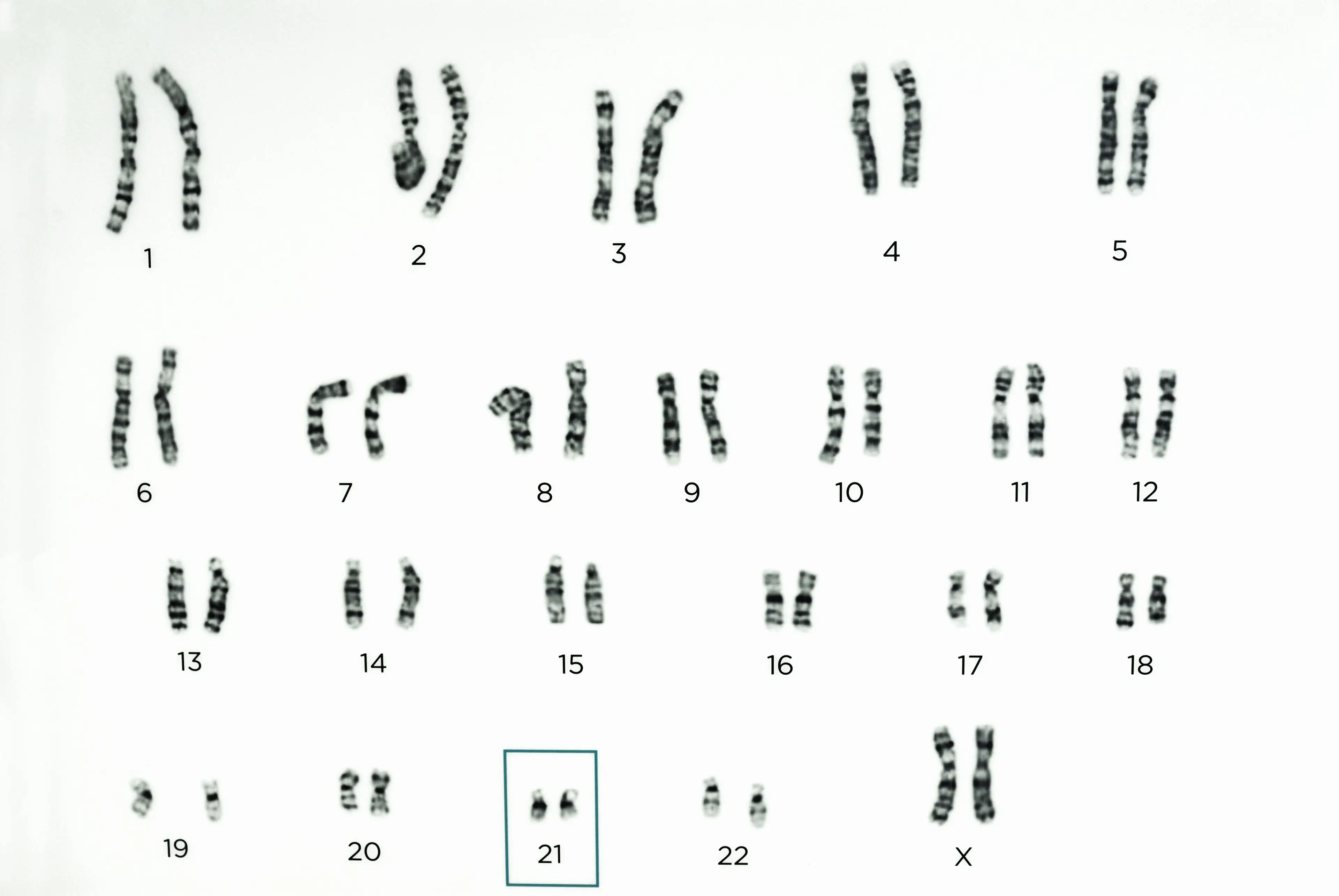
Scientists believe that the Y chromosome has degraded over time.
Peter Blixt / Alamy Stock Photo

While there’s no immediate cause for alarm - especially since animals don't technically need sex chromosomes - the apparent shrinking chromosome has caused researchers to question what could happen next.

Australian researcher, Jenny Graves, has suggested that the Y will eventually leave our DNA – possibly causing fertility problems for our species in the future – due to a lack of men.

Based at La Trobe University, she goes on to theorise that this could force the emergence of a new species as we evolve over the coming millions of years.

However, other scientists have a different opinion.

Experts are divided on what will happen once it disappears all together.
YAY Media AS / Alamy Stock Photo

This includes Professor Darren Griffin and Peter Ellis from the University of Kent, who have stated that the end of the Y chromosome will not mean the end of men.

Instead, they suggest that the SRY gene will simply move to another chromosome as it has done in other species - such as the mole vole.

The scientists even suggest that concerns about the Y chromosome may soon be unnecessary, thanks to emerging fertility tech.

In fact, many genes are no longer needed for human reproduction thanks to new treatments and genetic engineering may soon be able to replace the Y chromosome altogether.

Until then, researchers will continue to study the degrading genetic marker as they delve deeper into the heart of human biology.

Choose your content:

an hour ago
2 hours ago
7 hours ago
8 hours ago
  • Randy Holmes via Getty Images
    an hour ago

    Jack Black issues update on Tenacious D reunion after Kyle Gass’ Trump shooting controversy

    The Jumanji star gave an update regarding the band's future in a recent interview

    Celebrity
  • MS Now
    2 hours ago

    Pam Bondi's portrait spotted in Justice Department trash one day after Trump firing

    The President announced Bondi was being let go from her role on April 2.

    News
  • Dave Benett/Getty Images for dunhill
    7 hours ago

    Brian Cox slams Hollywood's biggest names as 'stupid' in brutal rant

    The Succession actor ranted about people he's worked with in the past, as well as big directors

    Celebrity
  • CBS News
    8 hours ago

    Disturbing joke woman made after she fatally poisoned boyfriend's energy drink

    Leroy Fowler died two days after consuming the poisoned drink

    News
  • Scientists divided over what will happen to men as Y chromosome is disappearing
  • What will happen to NASA's Artemis II crew's bodies during 10 days in space
  • Scientists want to grow 'headless' human bodies and farm their organs for research
  • Scientists reveal 'virgin births' without men could happen as female lizard gives birth alone