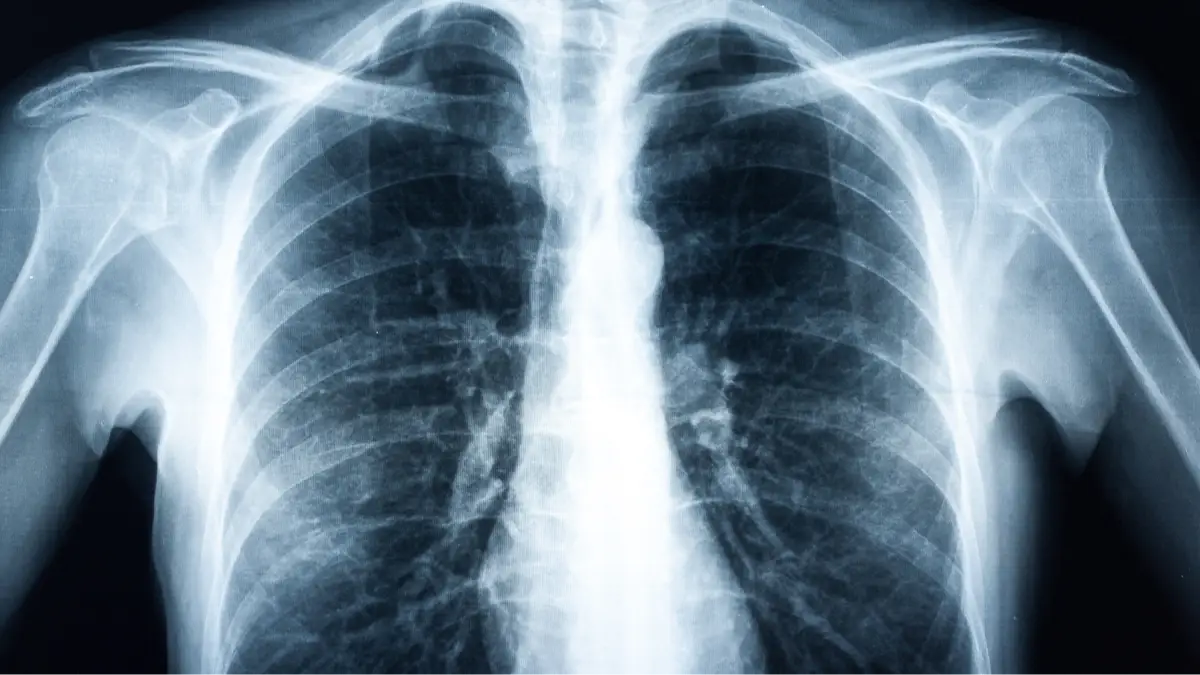
Mysterious 'vanishing bone disease' with no confirmed cause leaves doctors baffled

Doctors investigating a rare condition dubbed ‘vanishing bone disease’ continue to search for answers as patients around the world face a disorder that literally causes parts of the skeleton to disappear.
Officially known as Gorham-Stout Syndrome (GSS), the condition is so uncommon that the majority of clinicians may never encounter a case in their entire careers.
It is characterized by progressive bone loss, where healthy bone is slowly broken down and replaced with abnormal lymphatic and fibrous tissue. Despite decades of research, there is still no confirmed cause, leaving experts baffled.
What makes GSS particularly unsettling is just how unpredictable it can be - the disease has been diagnosed in people ranging from infants to those in their seventies, though it most commonly appears in those under the age of 40.
Advert

Researchers have found no consistent links to gender, ethnicity, environmental exposure, or infections, adding to the mystery surrounding its origins.
At a biological level, the condition involves the abnormal growth of thin-walled blood or lymphatic vessels inside the bone - this triggers the release of substances, including interleukin-6, which overstimulate cells responsible for breaking down bone.
Over time, the body mistakenly replaces solid bone with soft tissue, leading to weakening, deformity, or complete loss of the affected bone.
What are the symptoms of Gorham-Stout Syndrome?
Symptoms can vary dramatically depending on which bones are involved. Many patients experience swelling, chronic pain, and reduced movement, while even minor injuries can result in fractures due to extreme bone fragility - in severe cases, limbs may shorten or deform, making walking difficult.
If the spine or skull is affected, the consequences can be more serious, with some patients having developed neurological complications such as paraplegia, cerebrospinal fluid leaks that cause headaches and nausea, or sensory issues, including hearing and vision loss. Others can experience jawbone deterioration, leading to loose teeth and facial changes.
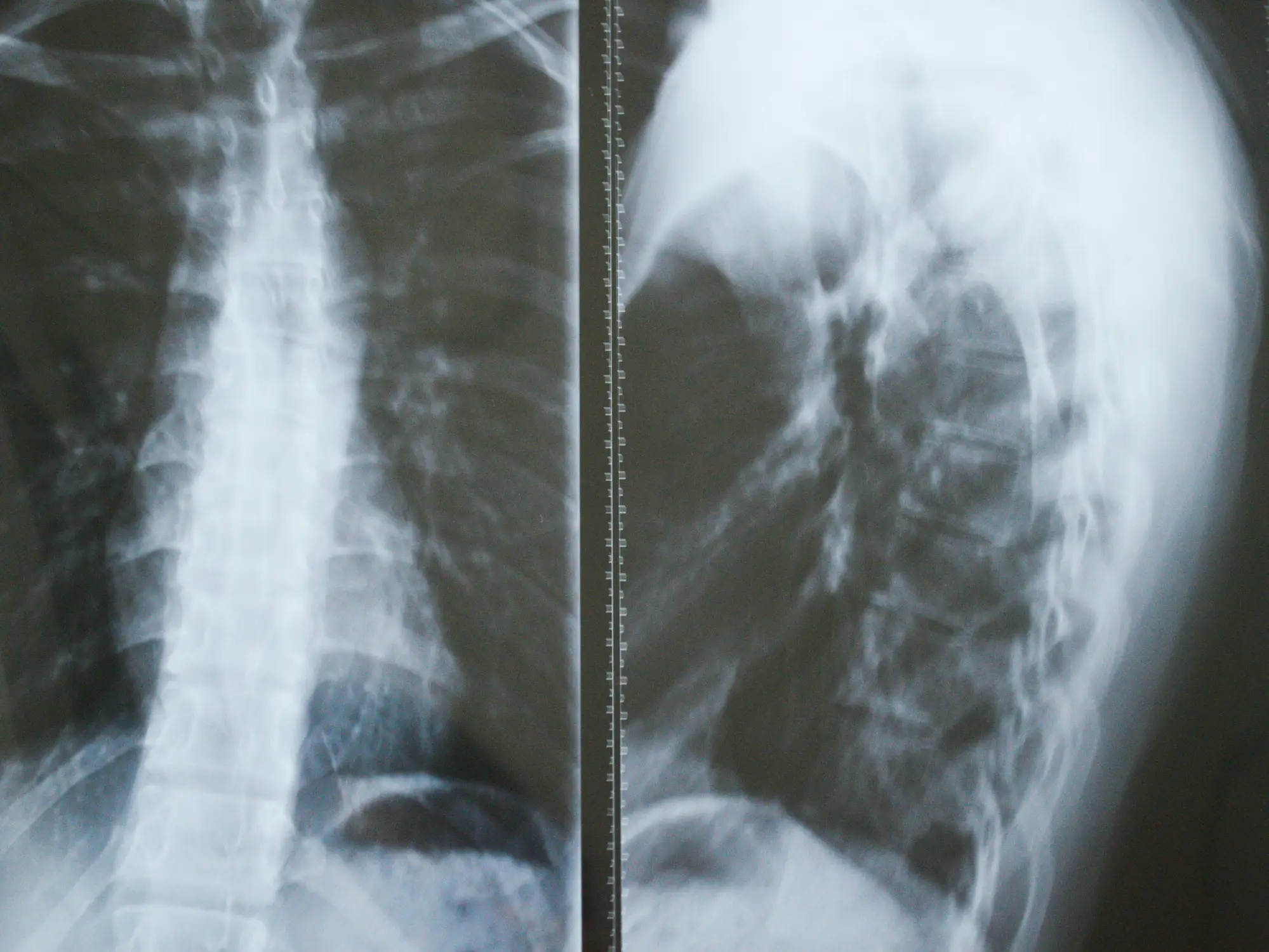
The condition can also affect the chest, where leakage of lymphatic fluid may cause breathing difficulties or dangerous fluid build-up around the lungs or heart.
Diagnosing GSS is notoriously difficult, due to its symptoms often mimicking infections, cancers, or other bone diseases, meaning patients can face long delays before receiving an accurate diagnosis.
Doctors rely on imaging scans to track bone loss and typically confirm the condition through a bone biopsy, which shows non-cancerous vascular tissue replacing bone.
Sadly, there is currently no cure, and treatment focuses on managing symptoms and preventing complications.
Topics: Health
 Joe Yates