
New study reveals the surprising impact of having casual sex

A scientific study has look into the impacts on your mental health of having casual sex while single, versus swearing off any sexual partner and sticking to solo fun.
You can probably count of dozens of hands how many times you've heard your single friends complain after engaging in a casual sex scenario gone wrong and then resolve to swear off sex altogether - but is casual sex as a singleton always as negative as it seems?
Reflecting on how partnered sexual activity is 'most often studied in the context of romantic relationships', a study has looked into how having sexual relationships with others in a casual capacity can impact people's wellbeing.
The study, published in the journal Personal Relationships, looks at how people's mental health can change when they're single and not interested in any sort of sexual relationship, versus when they're single and engaging in casual partnered sex.
Advert
But what can impact you wanting to have casual sex in the first place?

What can impact casual sex?
Well, the study looks at motives such as 'pleasure, attraction, connection and stress reduction' as being core drivers for singles to 'pursue sex outside of romantic relationships'.
Attachment style can also play a strong part too in whether or not people want to engage in it and whether it actually boosts your psychological well-being and is better than being single and focusing on self-pleasure instead.
So what did the study find out about casual sex and whether it's good or bad for mental health?

The studies
The research consisted of two different studies.The first recruited 747 participants between the ages of 20 to 59 years old who were 'single'.
They were asked to explain in 'more detail as to whether [they had] any sexual and/or romantic connections to anyone' and if so, what they were.
The participants were then asked about their attachment style from avoidant-attached to anxious-attached. They were also quizzed about their satisfaction with their relationship status, desire for a partner, fear of being single alongside their sexual satisfaction, their perceived 'mate value,' life satisfaction and their tendency to experience depression symptoms.
The study found a minority of the sample size engaged in a casual sexual relationship and 61.9 percent of those described the person they were in it with as 'a friend, friends with benefits or ex-romantic partner'.

The impact of casual sexual relationships on mental wellbeing
The study also ascertained that singles in casual sexual relationships 'reported lower attachment avoidance and lower attachment anxiety compared to singles not in casual sexual relationships'.
Those in casual sexual relationships also had higher satisfaction with their relationship status, lower desire for a partner, lower fear of being single, a higher sexual satisfaction, higher perceived mate value, lower depressive symptoms and overall higher life satisfaction.
Study two looked at a different sample of people alongside making the questions featured in study two less open-ended. 483 participants took part and the results of the study echoed that of the first.
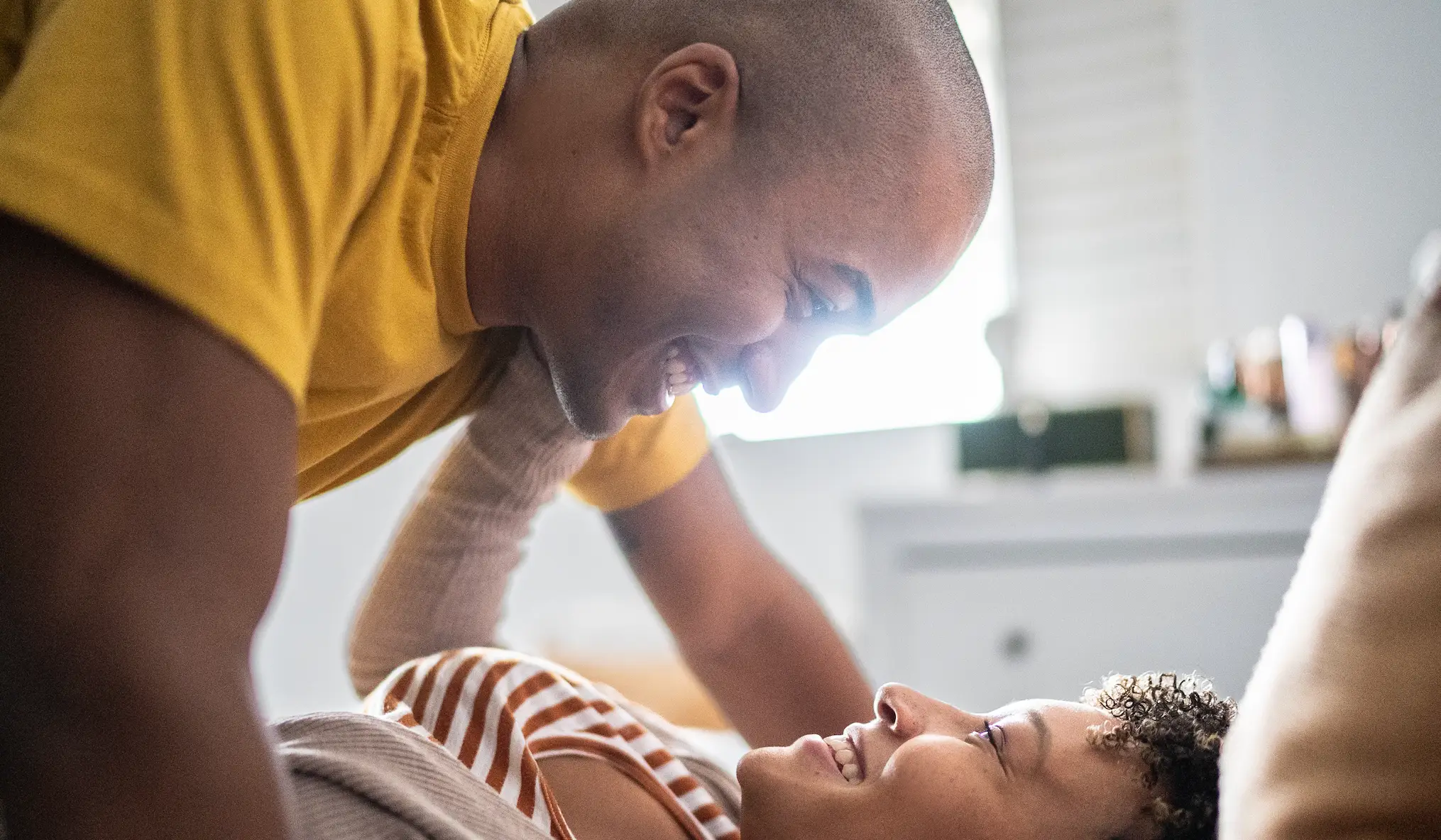
The study resolved: "Across both studies, singles engaging in casual sex reported lower attachment avoidance, greater sexual satisfaction, and higher self-perceived mate value compared to those not sexually active, challenging previous research linking casual sex participation with negative outcomes.
"Considering casual sex as one part of lives lived single may provide a clearer picture of both decisions around casual sex opportunities and thriving during singlehood."
This also extended to attachment styles too, with both studies showing singles in casual sexual relationships reporting 'lower levels of attachment avoidance,' suggesting they're 'generally more comfortable with intimacy and closeness than their sexually inactive peers'.
"This finding contradicts some previous theories that suggest avoidant individuals might seek casual sex to bypass emotional connection."
So your Tinder, Grindr, Bumble or Feeld apps? You go for it Glen Coco.
Topics: Health, Mental Health, Sex and Relationships
 Poppy Bilderbeck