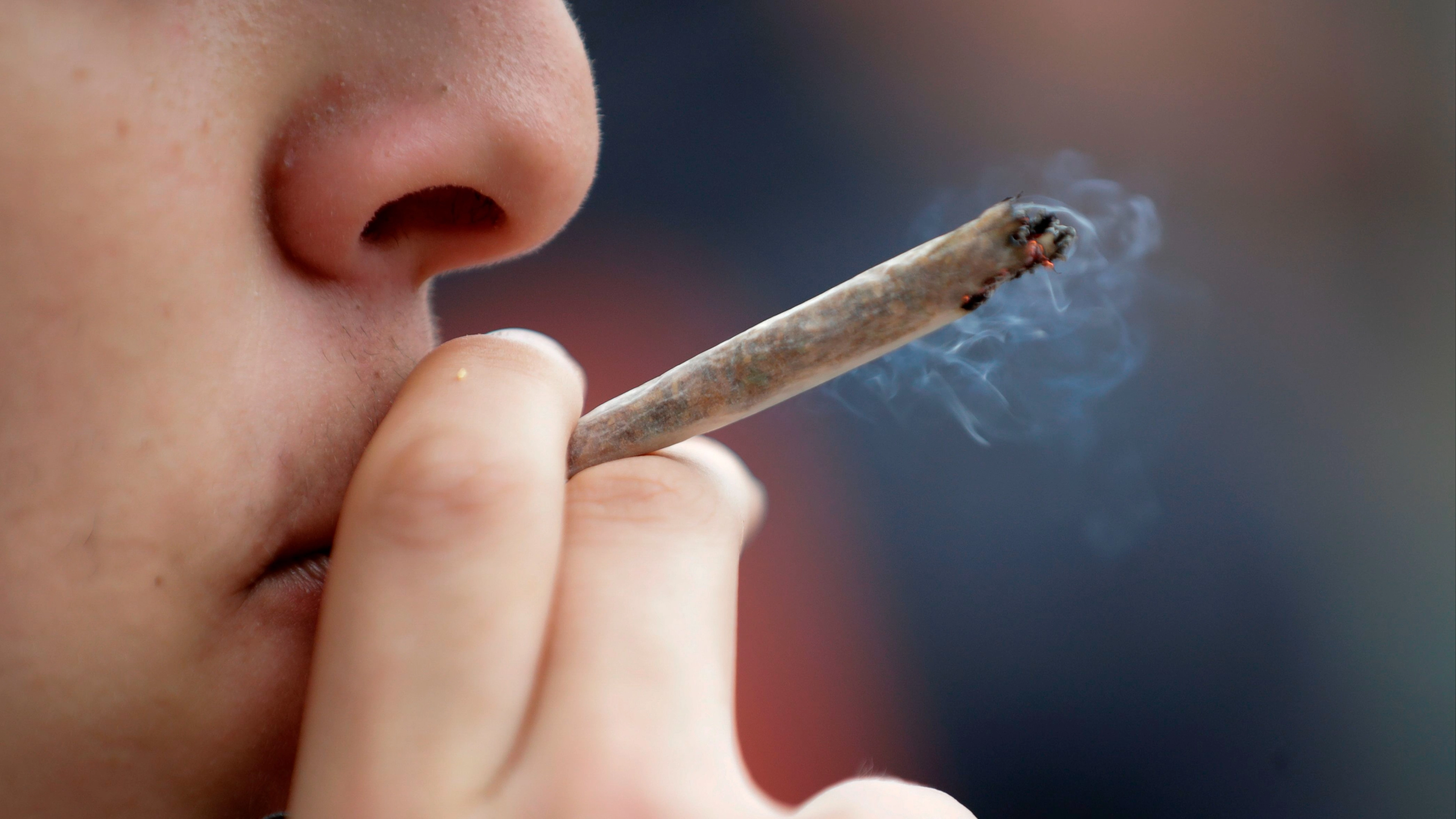
Worrying link between cannabis use and anxiety revealed in new study and the impact could be deadly

A new study into marijuana has revealed the ‘strong’ link between anxiety and depression.
Even though cannabis is legalized in as many as 24 US states to use recreationally, as well as medicinal purposes, it doesn’t mean the devil’s lettuce is all beneficial.
Whether it's giving you sleep problems, raspatory irritation, or like the Cleveland Clinic states, lower life achievements – there are some downsides to toking the smoke.
However, that hasn’t stopped nine in 10 adults from agreeing the drug should be prescribed as medication.
Advert
Would they change their minds if they knew it could lead to detrimental effects on mental health?
According to a Canadian study, there is a growing connection between cannabis use and people reporting symptoms of anxiety and depression.
Previously, it was even linked to instances of psychosis.
But McMaster University’s study, which was published in The Canadian Journal of Psychiatry, has revealed it could also give people depressive disorders.
“We see that Canadians who use cannabis tend to be more likely to meet criteria for anxiety and depressive disorders, and more likely to report suicidality,” said Jillian Halladay, an assistant professor in the School of Nursing at McMaster. “We also see that this co-occurrence has strengthened over time.”
According to the McMaster press release, the researchers analyzed more than 35,000 Canadians aged 15 and over between 2012 and 2022 to learn more about the impact on their mental health.
What they found was that those who reported having generalized anxiety disorder and major depressive episodes nearly doubled.

While people reporting suicidal thoughts in adulthood didn’t change, it did increase by 44 percent in youths.
People who smoked weed multiple times a week were five times more likely to report anxiety, suicidality or depression, with Halladay stating: “This extends our prior study that similarly found a strengthening in the co-occurrence of cannabis use and these mental health problems between 2002 and 2012.
“It’s important for people to recognize when and how their cannabis use may be impacting their mental health, and how their mental health may be influencing their cannabis use."
The reason why cannabis is linked to anxiety - and why users can report feeling paranoid - could be linked to the way the THC in weed (the stuff that causes the 'high') interacts with the amygdala.
That's the part of the brain responsible for fear and the flight-or-flight response.
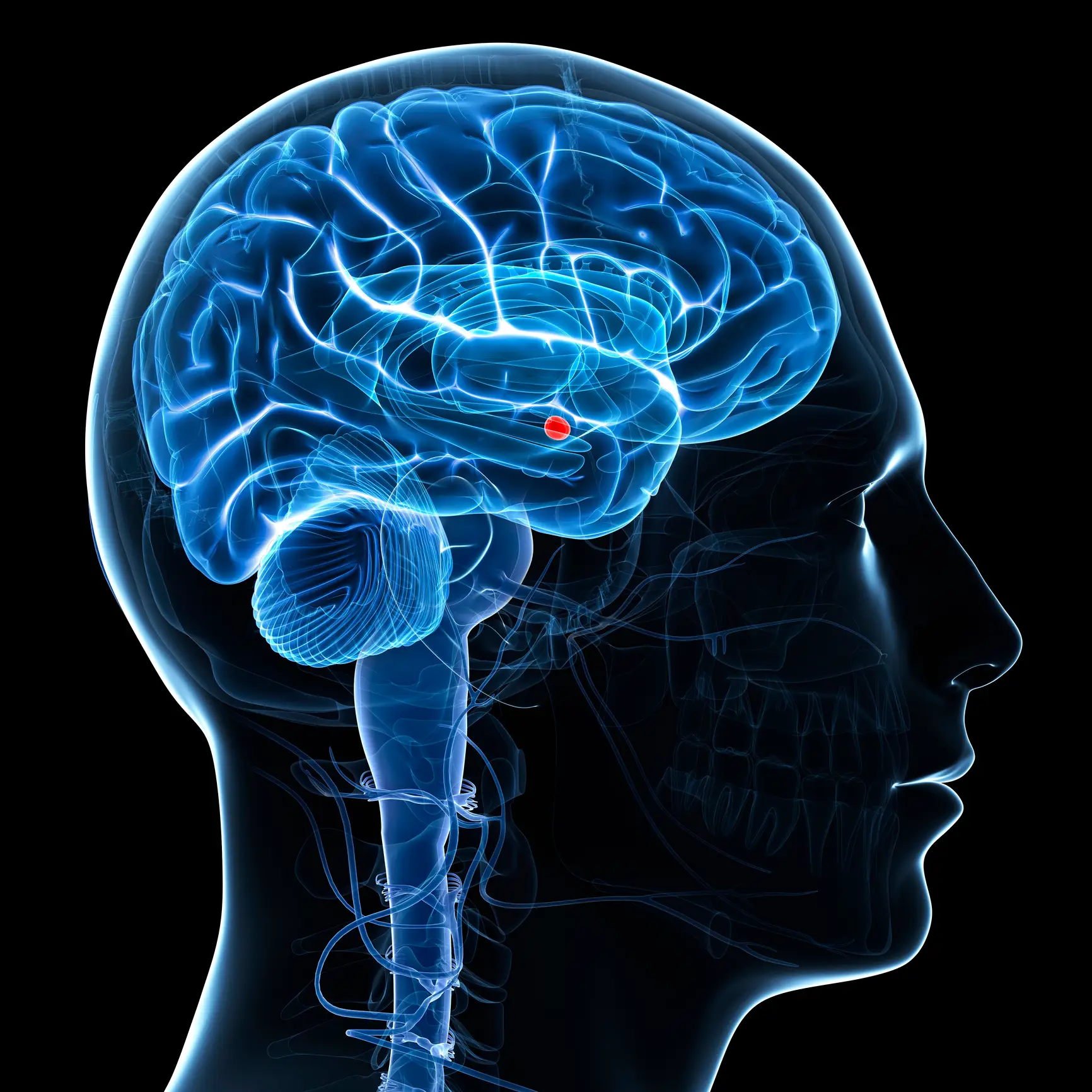
Scientists think smoking cannabis can overstimulate the amygdala, provoking feelings of fear and anxiety, Healthline explains.
This comes after recent research from McMaster found anxiety and depression rates in teenagers increased nearly three-fold over the last ten years.
The study found that rates of anxiety and depression were higher in youths who use cannabis heavily as opposed to minimally.
However, researchers noted it was unclear if cannabis was causing the issues, or if the teens were using weed as a coping strategy to deal with poor mental health.
Topics: Drugs, Mental Health, Health
 Britt Jones