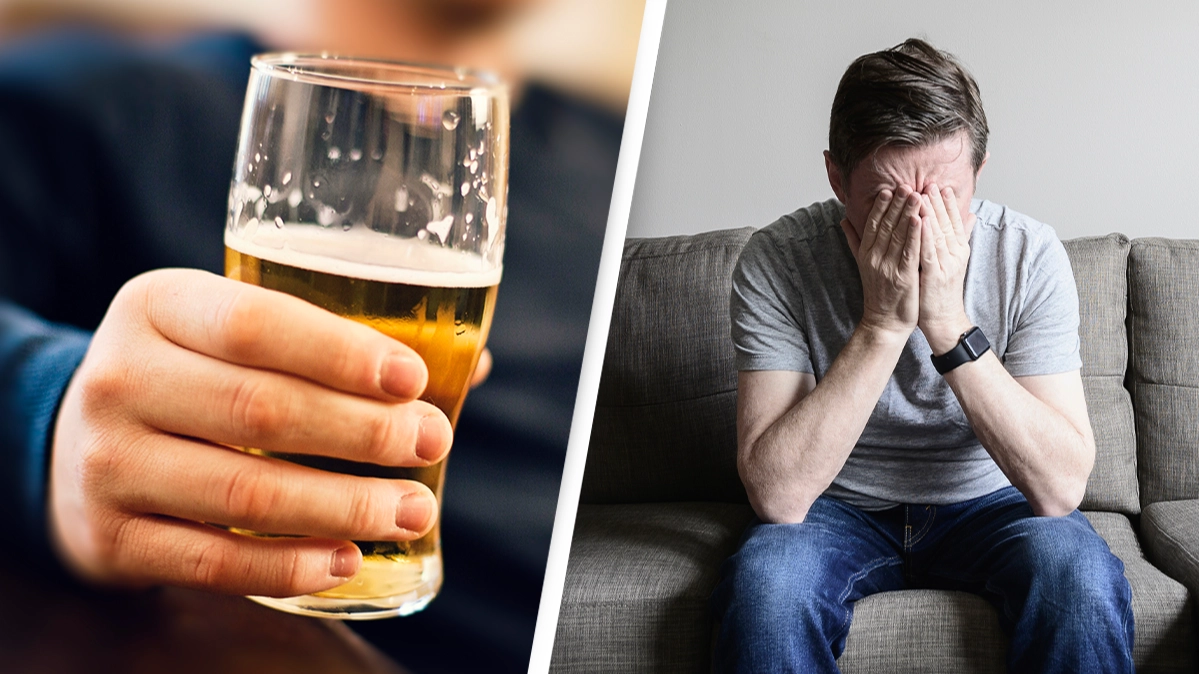
Doctor reveals five hidden effects that quitting drinking alcohol for 30 days has on your brain

A doctor has revealed the five hidden effects that quitting drinking alcohol for a month has on the brain.
It's no secret that excessive drinking can cause considerable damage to your liver, heart, gut and overall health.
And many of us tend to overindulge over the festive period, with more work socials, Christmas family get-togethers and New Year celebrations all crammed into one short month of the year, where you might be eating and drinking more than usual.

Advert
It's why millions around the world give up alcohol for the 'Dry January' challenge, in a bid to have a healthy start to the year.
Even for non-heavy drinkers, this 30 day reset is known to inspire some positive changes in the body, including to the brain.
Two doctors from the UK - Dr Peter Rice, chair of the Institute of Alcohol Studies, and Dr Richard Piper, CEO at Alcohol Change UK - explained to The Independent that we can make significant changes to our health and brain health by taking a break or abandoning the booze entirely.
So, how can it improve our brains?
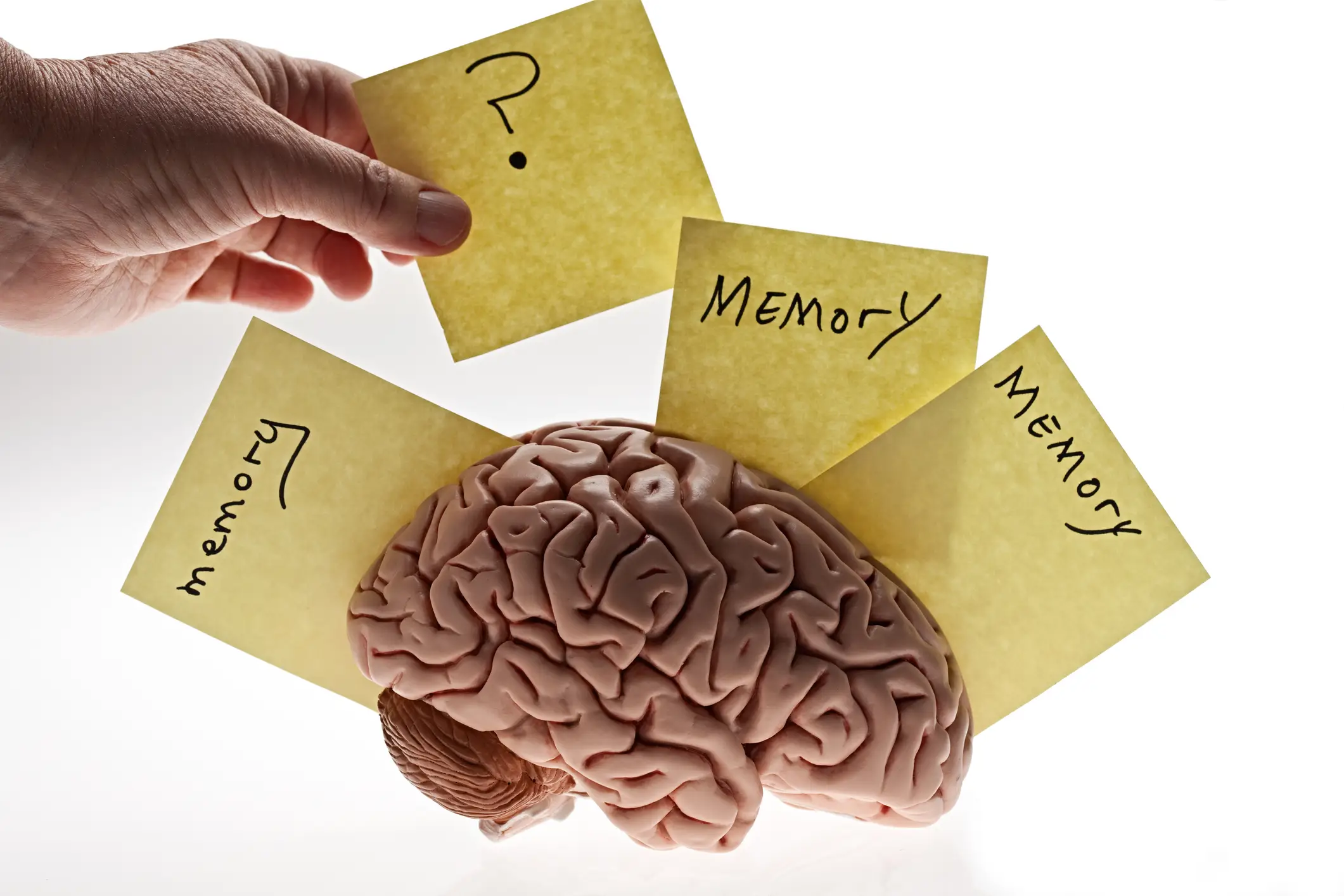
Memory changes
Dr Piper said heavy drinking can prompt alcohol-related brain damage - increasing the risk of a host of other conditions, like Alzheimer's and dementia, and even affecting our personalities, the way we think and the way we make decisions.
Yet it's good news if you stay sober, particularly around the three-week mark, as we should notice a boost in both our mood and memory.
"We might also find that we can retain information for longer, are less forgetful and more able to focus our attention", he added.

Improves the brain's feel-good hormone
Drinking alcohol triggers a temporary release of extra dopamine, the hormone that makes us happier and can numb us from emotional or even physical pain, Dr Piper said.
As a result, when we start to consume alcohol, 'we often want to carry on or become reliant on its immediate effects when looking to de-stress of feel better', he continued.
However, drinking often or heavily means our brains start to make less dopamine and leads to a deficiency.
Suddenly stopping might make us feel a 'little grumpy' as a result, so the doc recommends finding other ways to treat or challenge yourself, such as taking up running, which will eventually level out dopamine levels.

Reverses brain shrinkage
To add to the never-ending list of the problems alcohol can cause, studies show drinking just one alcoholic drink per day (or two units of alcohol) has a detrimental impact on the grey and white matter volumes in the brain.
Dr Rice said drinking long-term can even cause 'brain shrinkage' with some studies showing shrinkage occurs 'even at moderate levels'.
As alcohol is a diuretic, meaning it makes drinkers pass more urine, we're prone to dehydration - which Dr Piper said also causes 'brain cells to shrink and die'.
Yet when we quit, the brain can rebuild its damaged neural connections - to the point where a person with alcohol-related brain damage can make a partial or even full recovery.

Vitamin B1
Thiamine (vitamin BA) is considered the 'building block of the brain' which, you might have guessed by now, is starved when drinking as alcohol makes it difficult to absorb such vital vitamins.
Dr Piper added: "The outcomes for people who stop drinking and who receive high-dose vitamin B1 treatment can be very good, with much of the damage to the brain being reversed.”

Mental health boost
Finally, one of the greatest side effects of quitting comes down to boosting mental health.
Alcohol Change UK warns drinking alcohol to manage stress, anxiety or depression is only ever short-lived and in fact, long-term drinking can lead to aggravating mental health conditions.
Dr Piper said: "Managing your alcohol intake is one way of reducing your risk of developing depression.”
Topics: Health, Alcohol, Mental Health, UK News, Food and Drink, Christmas
 Liv Bridge