
Man ate one meal a day for 7 days and revealed major impact it had on his body

One man put the ‘One Meal a Day’ diet, also known as OMAD, to the test and shared his true thoughts in a video, which may surprise you.
The OMAD diet is a form of intermittent fasting which forces the body to burn fat. The person following the diet eats all their daily calories in one main meal, usually within a 1-hour eating window.
This is followed by fasting for the remaining 24 hours of the day. However, water and zero-calorie beverages are typically allowed, such as black coffee or tea, to stay hydrated.
Content creator Will Tennyson tried the OMAD diet for a week, documenting his progress on his YouTube channel.
Advert
Adding that while he didn't have any specific fitness goals, he was interested to see if his weight 'would go up or go down', as well as seeing how 'many calories' he could stomach.

He kicked everything off with a massive Chipotle bowl and then a workout, saying that so far the OMAD hadn't affected his exercise routine, as he 'typically does train fasted'.
However, he said that the only difference would be that the gap between working out and eating is 'super long', and that he was 'completely gassed' in between his 11:00 a.m workout and his 'Orange Theory' at 5:45, and he had to 'leave the class altogether'.
Tennyson said he typically broke his fast at around 3pm, and after this time, all he could think about was food. He would then eat from 6pm and feel like bingeing.
After four days, Tennyson found that it wasn't 'getting easier' as he would often think about eating, leading to increased caffeine consumption as he went for a walk and a coffee whenever he felt hungry.
He was also unable to grab food with his friends, realising just how social eating is.
However, by day five, things began to get 'easier' as he could distinguish between 'actual hunger and habitual hunger', and what he thought was hunger was just thirst, so he'd drink water or a black coffee.
After all this, he ended up losing 3.8lbs, but he described the overall experience as 'extremely difficult'.
Tennyson said: “Overall, it was not that great. It was just too extreme, and I just didn’t find it to be too sustainable for myself. Probably not for a lot of people.”
How does OMAD affect the body?
When carbohydrates are consumed, the body converts them into sugar, and they then enter the bloodstream, WebMD explains.
Any excess sugar triggers the release of insulin, a hormone that moves the surplus into fat cells for storage.
During a fasting period, insulin levels fall. With less insulin circulating, the body changes how it fuels itself, prompting fat cells to release stored energy to meet the body’s needs.
This metabolic switch occurs only after fasting for a period long enough for insulin levels to drop significantly.
Research suggests OMAD can have positive effects for people looking to lose weight. A 2018 research review found that intermittent fasting, including extended periods like OMAD, is likely to lead to weight loss.
There are also studies suggesting that it can improve metabolism; however, experts say more research is needed to understand the effects.
Other pros are that eating one meal a day could help you feel more alert, and that eating in the morning and fasting overnight can help you lose weight.
But there are some cons - this diet requires discipline and can be difficult to sustain. There is no conclusive evidence showing that eating one meal a day works for weight control, WebMD reports. It could also make you feel hungrier and may not be more effective than calorie reduction.
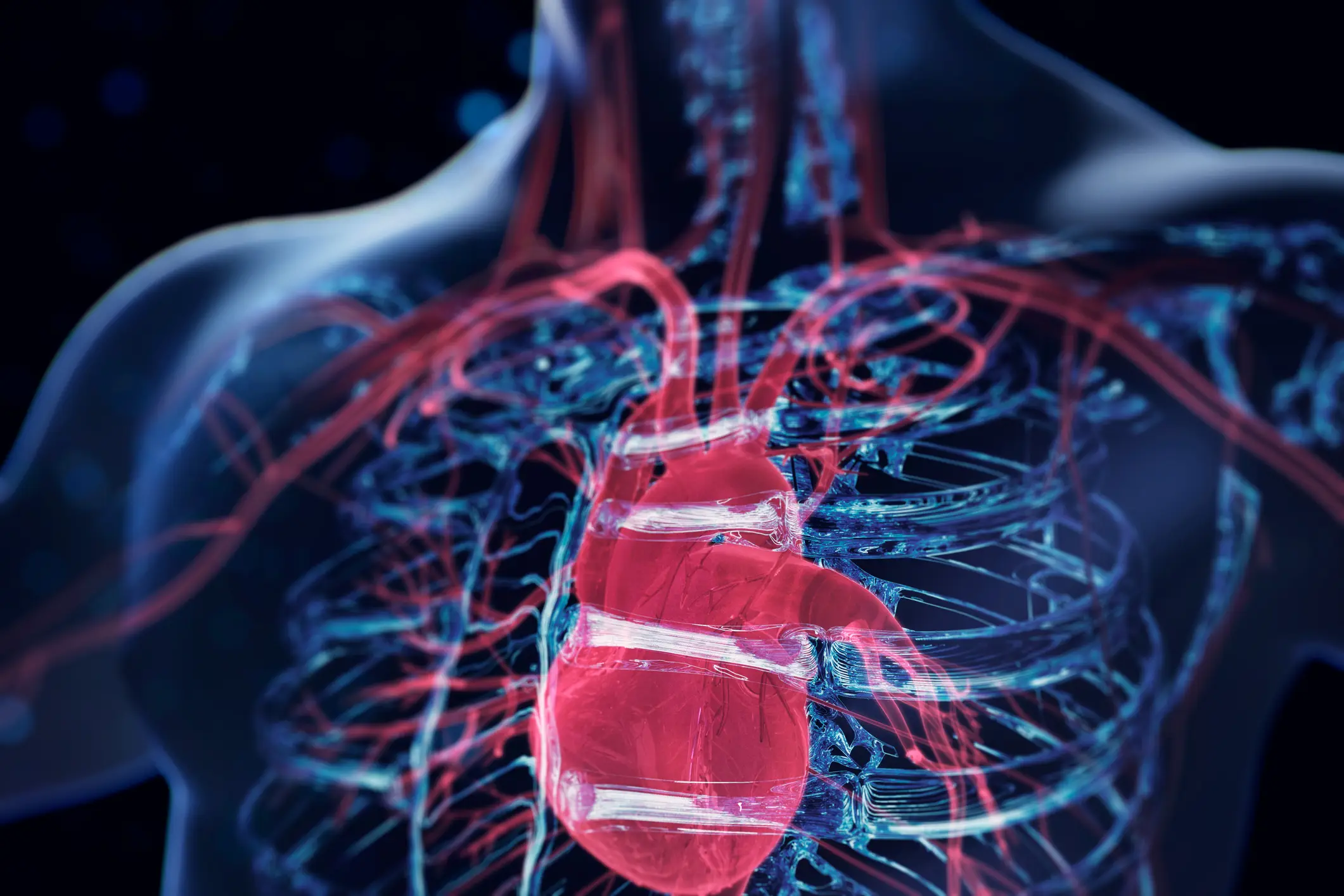
A 2022 study published in the National Library of Medicine found that eating one meal a day was associated with a higher risk of dying from any cause, as well as death from cardiovascular disease.
There are also concerns about studies showing that eating one meal a day can increase blood pressure and cholesterol and cause your blood sugar to spike.
If you plan on trying an OMAD diet, you should consult your doctor first. It could lead to several side effects, such as nausea, dizziness, irritability, low energy, and constipation, according to Healthline.
Topics: Food and Drink, Health
 Greg Harris