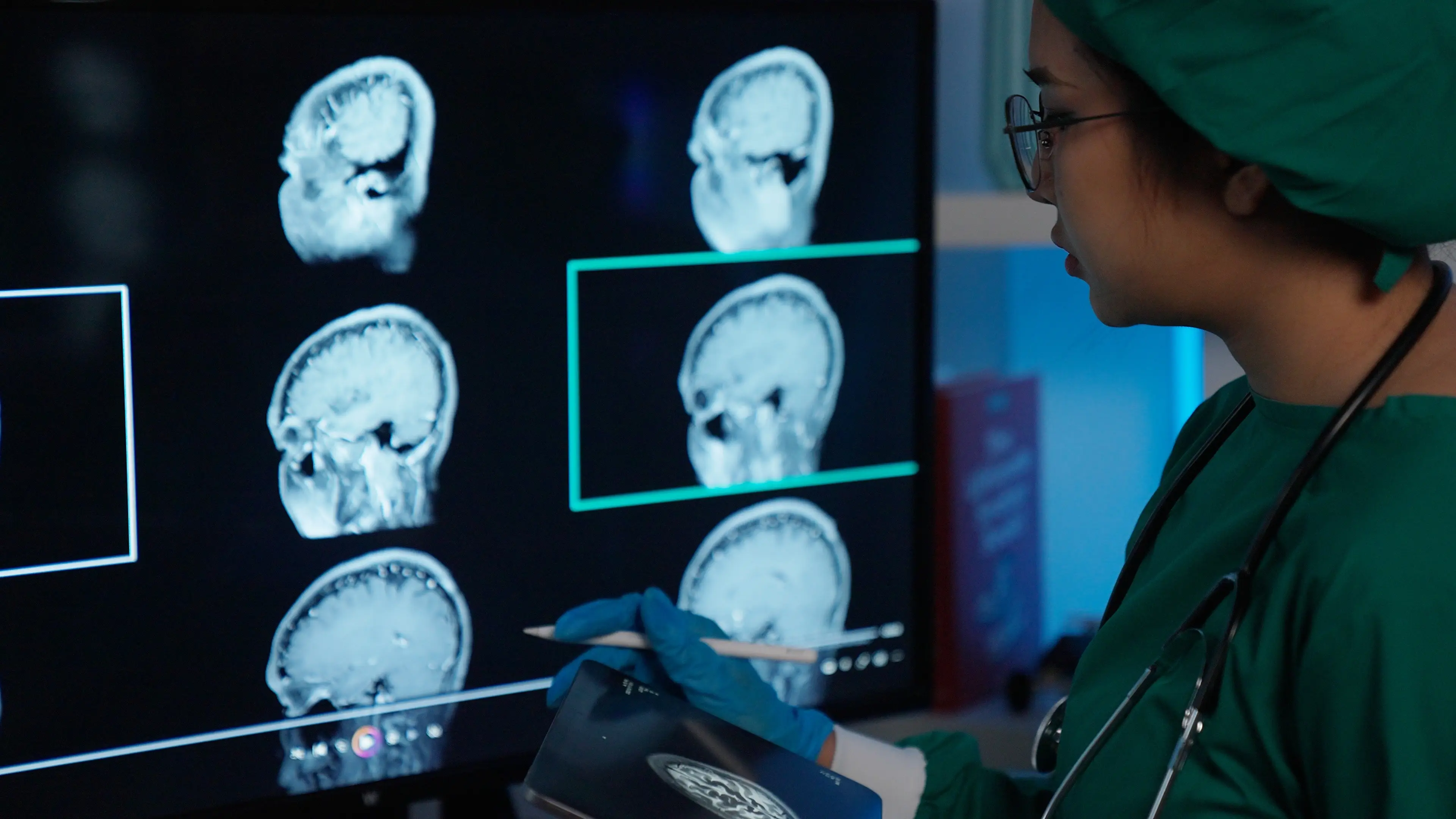
Neuroscientist explains how 'eternal sunshine therapy' could 'wipe' bad memories for good

Our understanding of who we are is built out of the memories we make throughout our lives, even the bad ones. But what would it mean if we could 'wipe' our bad memories, or even introduce happy new ones?
While that might sound like science fiction, or the plot to the 2004 romcom with Jim Carrey and Kate Winslet, Eternal Sunshine of the Spotless Mind, breakthroughs in neuroscience have actually made it a possibility.
New techniques being trialled on mice have allowed scientists to 'dial down' bad memories, which could have therapeutic consequences for some of the worst neurological conditions, from PTSD to addiction, and apparently even help recover the memories of people living with dementia.
One of the leaders in this field of memory manipulation, Professor Steve Ramirez, explores how this breakthrough was achieved in his book, How to Change a Memory, where he details his experiments on mice brains and how his team figured out how to 'change' an integral part of human identity.
Advert

Ramirez told the Daily Mail that this technique tracks down memories using brain cells activated by light. His team can then 'manipulate' these cells into recovering 'lost' memories, or implant entirely new ones.
He described his results as 'pretty amazing' and argued that they could completely change medical treatment over the next decades.
Ramirez said: "Researchers have been able to successfully restore a memory that was thought to be forever lost, so that really begins shaking the foundations of what we think of when we think of memory."
How this technique works also tells us a great deal about how memory works, with Ramirez explaining in his book how recall functions. Every time you think of a memory, rather than dredging the same slice of history from the depths of your brain, you're actually creating something new.
When you recall a memory, sleeping cells in the part of your brain associated with emotion suddenly activate and fire chemicals at each other. This reconstructs your memory of that moment, as well as the feelings associated with it.
This is why experiencing a memory can evoke an emotion, such as joy or even fear, even if you are just lying in bed or walking down the street. But this action does not store the memory back in your brain as it was, the act of remembering even changes the memory itself.

Ramirez explained: "We know that when we recall the memory, it's not a video of the past, but it's a reconstructive process where we pull the book of memory out of the library, and when it's at the forefront of our mind, we inadvertently start sketching details into that memory."
This process 'lights up' parts of your brain, which the scientists were able to track and then influence using techniques that were, in part, discovered by Nobel Prize winning immunologist and neuroscientist Susumu Tonegawa.
Tonegawa proved his theory by implanting manipulated memory engram cells, essentially small pieces of information printed on brain tissue, into the hippocampus of mice to trigger a predictable fear response.
The radical new memory therapy explained by Ramirez uses drugs to force the subject to recall certain moments stored in the brain, at which point the scientists have been able to alter or change completely the moment being recalled. In mice, at least.
Ramirez said that, while the ability to tone down bad memories and amplify good ones has therapeutic uses, the main hope offered by the breakthrough work is in finally changing one of the worst aspects of neurodegenerative diseases like dementia.
He said: "I think that's a kind of mini Holy Grail of this all, to be able to really restore what we once thought was lost, especially something as near and dear as memory.
"There are tremendous amounts of more research we need to get there, but I think that would be what the path forward would look like."
Topics: Health, Mental Health, Science
 William Morgan