Twin brother reveals how he lost 11lbs in 3 months while sibling gained weight despite eating same amount of calories

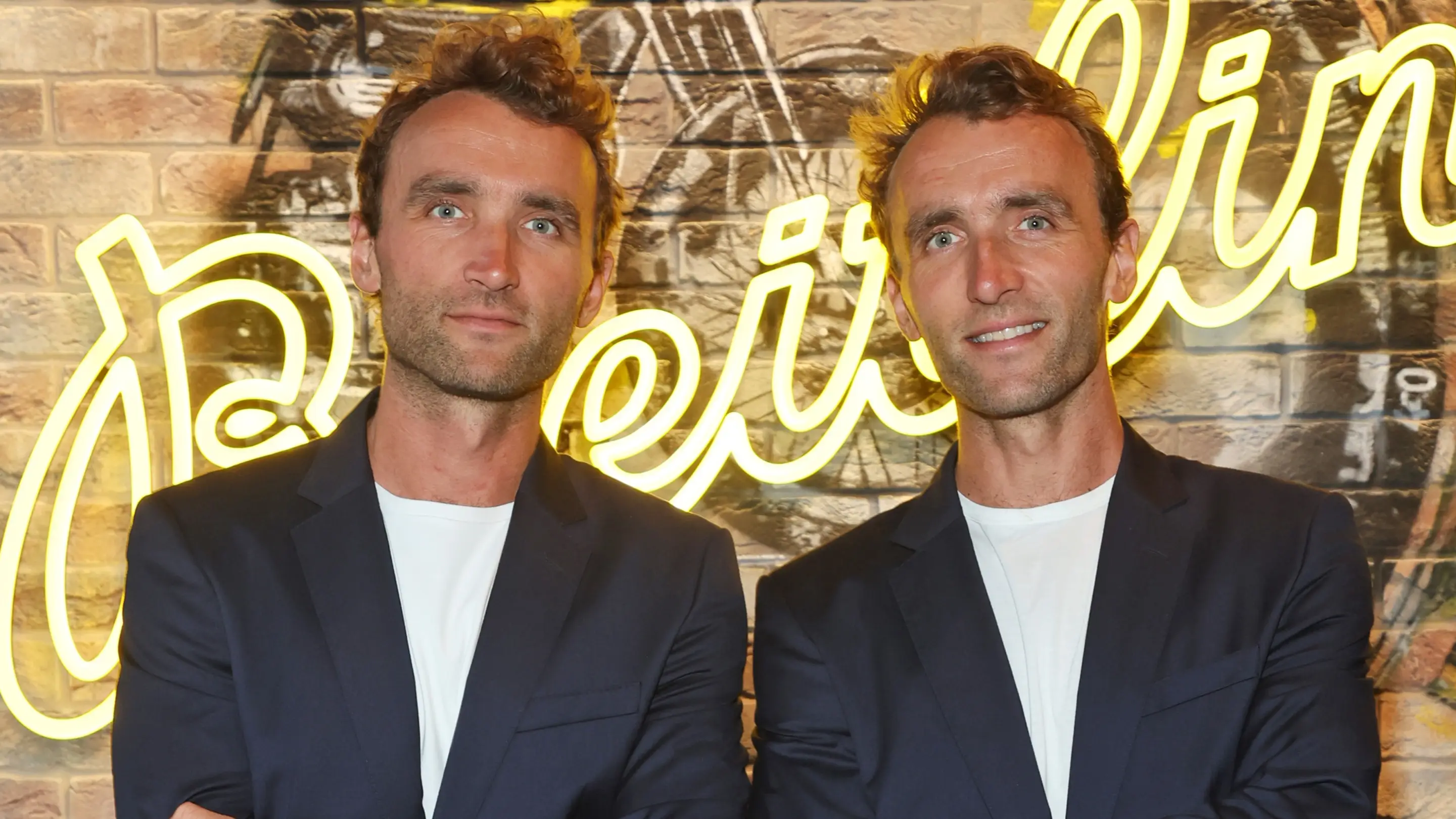
Identical twins Hugo and Ross Turner have taken part in another study to see how separate diets and lifestyles affect their bodies — and their weight.
One of the brothers' best known studies involved them eating separate meat and vegan diets.
The experiment was carried out over a 12-week period and resulted in Hugo, who followed a plant-based diet, losing 4lb and one percent of his body fat in comparison to Ross, who ate a meat-based diet, who gained 10lb of muscle and had a two percent increase in body fat.
Hugo and Ross have also done a study that saw them go on high carb and high fat diets.
Advert
Now the brothers have been on different diets yet again and the results were particularly interesting. Like their previous experiments, Hugo and Ross carried out the research over three months.
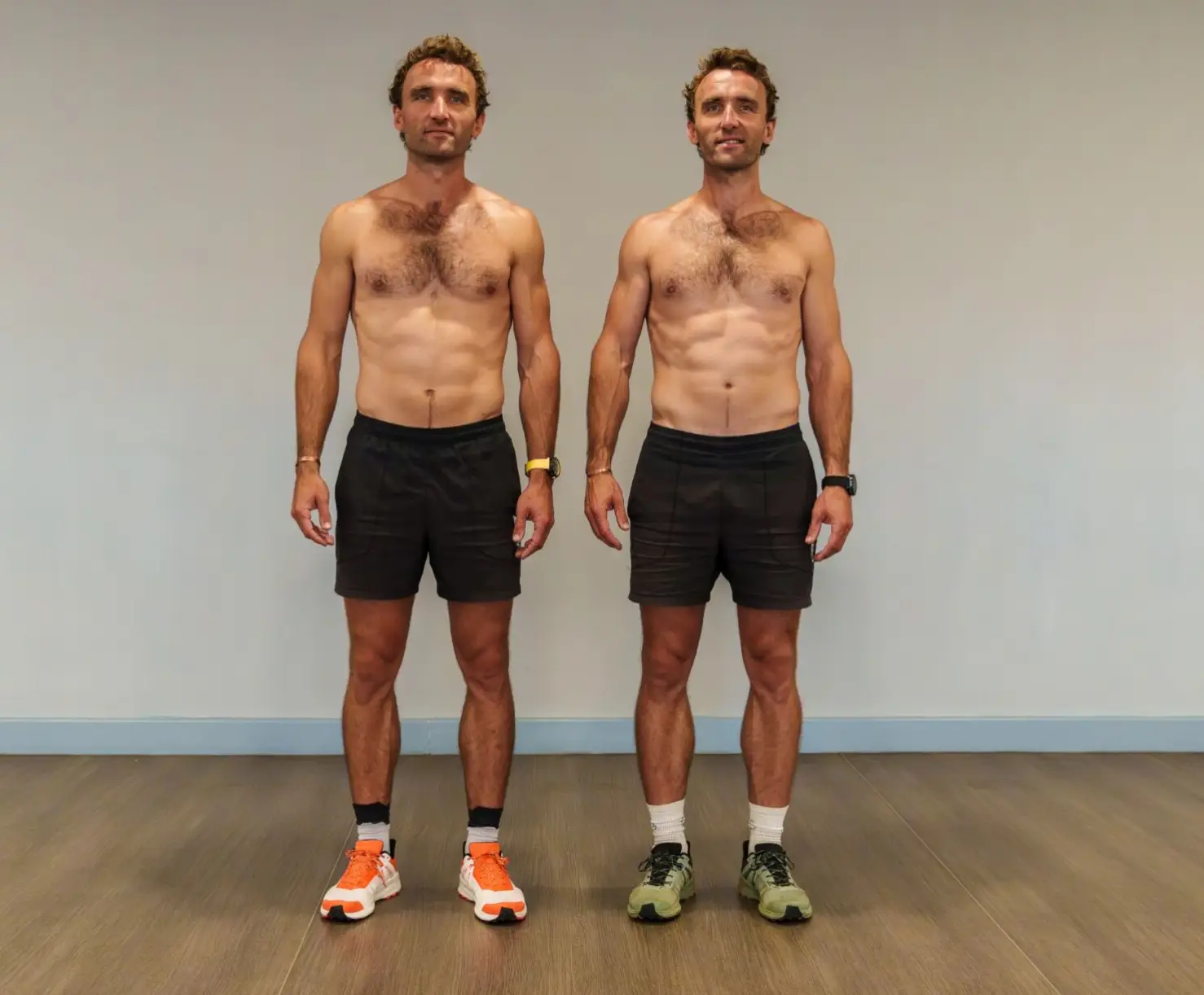
In this time frame, Hugo lost an impressive 11lb while Ross gained almost 9lb.
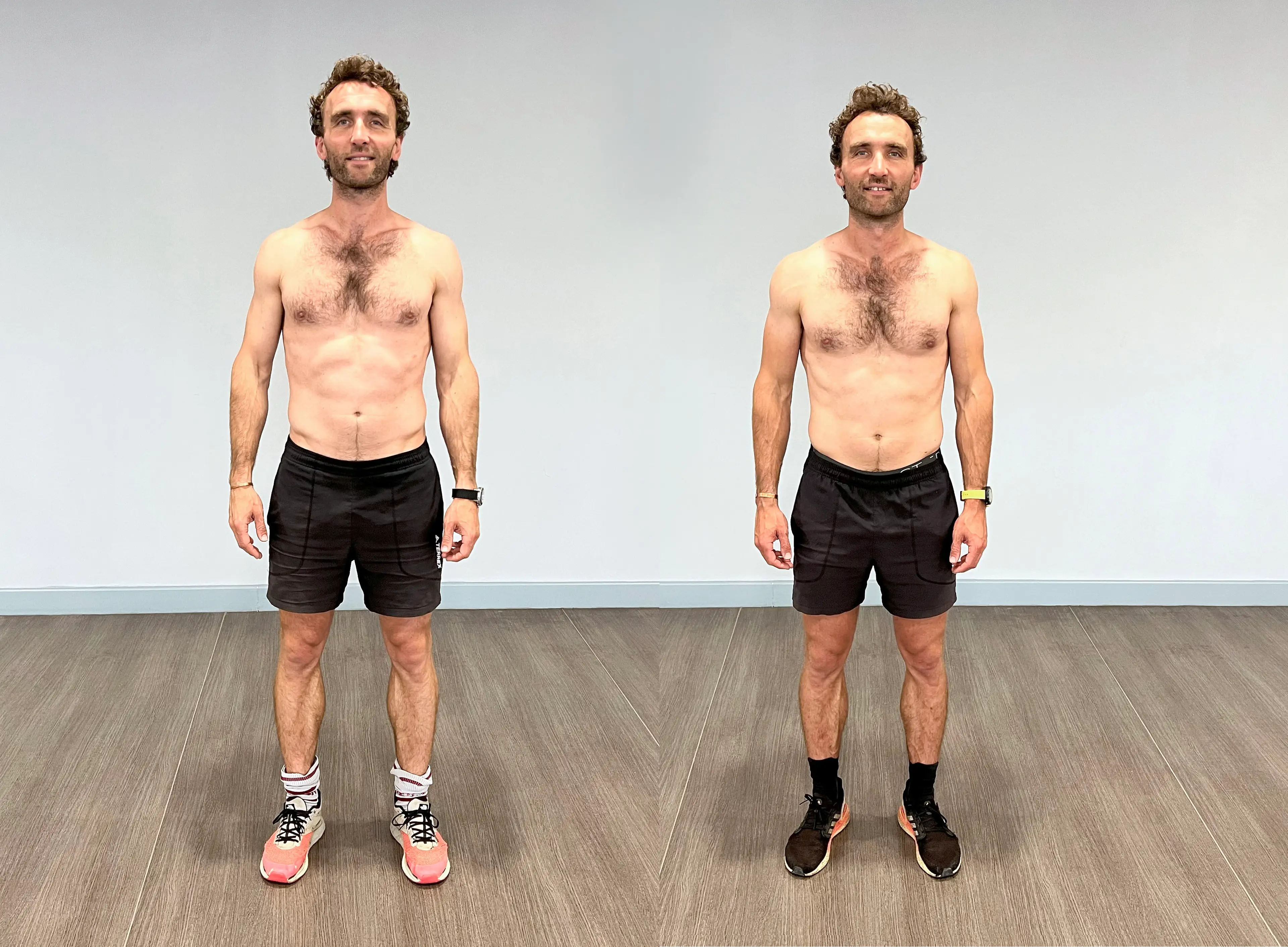
The key thing to note here was that they were both eating around 2,500 to 3,000 calories a day, which is around the average daily calorie intake an active male should be aiming for.
So, if both brothers were eating the same amount of food then how did Hugo shed several pounds in weight while Ross did not, I hear you ask?
For starters, both of their diets were largely clean, though Ross did have a bit more wiggle room with when he was eating and was ingesting his 2,500-3,000 cals over a 16-hour eating window.
Meanwhile Hugo was fasting for 16 hours a day and only ate for eight, meaning he had to cram 2,500-3,000 calories into this short timeframe.
While eating so many calories and losing weight at the same time might sound like Hugo has rigged the system, his diet came with its downsides too.
Breaking down his daily habits, Hugo shared with UNILAD: "I think I ate around 10 or 11 in the morning, and then I was finishing eating around 6 or 7 in the evening."
Discussing the hardships that came with fasting, he went on: "So, let's say you're eating breakfast at 10, lunch at 12/1pm, then (on a normal cycle) you're probably eating at 6/7pm for supper. You've then got to try to make up the rest of those calories in a five-hour window in the afternoon."
"It was really hard," Hugo added. "In all honesty I was probably struggling to hit the 2,500-3,000 calorie mark because you're essentially eating every two hours."
Another difficult part of his fasting diet was the socializing aspect. Since he wasn't eating past a certain time, if he were to go out in the evening with friends Hugo was unable to eat or drink anything.
All in all Hugo branded his regime of eating for only eight hours and fasting for 16 as being 'pretty horrible' and said that trying to eat 3,000 calories in the short amount of time was 'really bloody hard'.
As to what he was eating on a day-to-day basis, he revealed that his diet largely consisted of scrambled eggs and toast or porridge with nuts and berries for breakfast, sardines with rice and vegetables for lunch, and then he'd have a 'big meal' for dinner that was loaded with carbs and lots of protein.
Hugo would also turn to protein shakes as a quick and easy way to hit his calorie target.
In comparison, Ross (who was aiming for 2,500 to 3,000 calories a day as well) would have more freedom to eat things like toast with jelly for breakfast and, when it came to main meals, he'd eat 'a spectrum of fish, vegetables, red meat, and white meat' as well of 'lots of pasta dishes'.
Ross was also able to incorporate the odd 'treat' into his diet like the occasional curry or pizza.
While Hugo said the diet was difficult, he said that he'd fast again if his main goal was to lose weight.
Ross said he'd also be up for fasting after they've both had success doing it previously (outside of their recent study).
"Fasting works quite well for us," Ross said of him and his brother, adding that they 'perform better' when fasting.
He continued: "Normally we're eating kind of higher fat foods as well with that, so olive oils, cheeses, fatty meats, etc. So we're not eating the volume, but we're still getting the calories.
"So, if we said 'right, we need to lose weight', I would fast again."
Topics: Health, News, Food and Drink, Life
 Niamh Shackleton