
Magic '8-hour' sleep rule debunked by doctors as they explain why you shouldn't stress about it

We're often told about how important eight hours of sleep is every single night to our overall wellbeing, but how vital actually is it?
As per Mayo Clinic, adults should be aiming for seven or more hours of sleep a night, while teenagers should be getting eight to ten hours every 24 hours.
It's also important to note the level of sleep quality, as the health website explained: "If your sleep is frequently interrupted, you're not getting quality sleep. The quality of your sleep is just as important as the quantity."
Dr Chris van Tulleken said on the BBC's What's Up Docs that you shouldn't stress too much about getting the eight hours of kip every night.
Advert
"There's so much anxiety around getting eight hours but some of the most important things in my life, like raising kids, I've done sleep deprived," Chris said.
The expert went on to say a healthy range is between six and eight hours per night.

These claims were backed up by doctor turned TikToker Dan Friederich, who also said not to stress about getting a minimum of eight hours.
"And so studies have shown again and again that the optimal amount of sleep is between six and eight hours a night, preferably at least seven," he explained.
However, discussing the drawbacks of having less than six hours, Friederich added: "If you go more than nine hours it's also bad for your health. But sleeping less than five is the worst thing you could possibly be doing.
"Increased mortality all across the board, cardiovascular disease, all types of diseases are associated with sleeping that little."
Speaking in a TED Talk in 2022, Dr. Colleen Carney also addressed the talk surrounding eight hours of sleep, as she urged those worrying about not reaching that target to try not to stress too much.
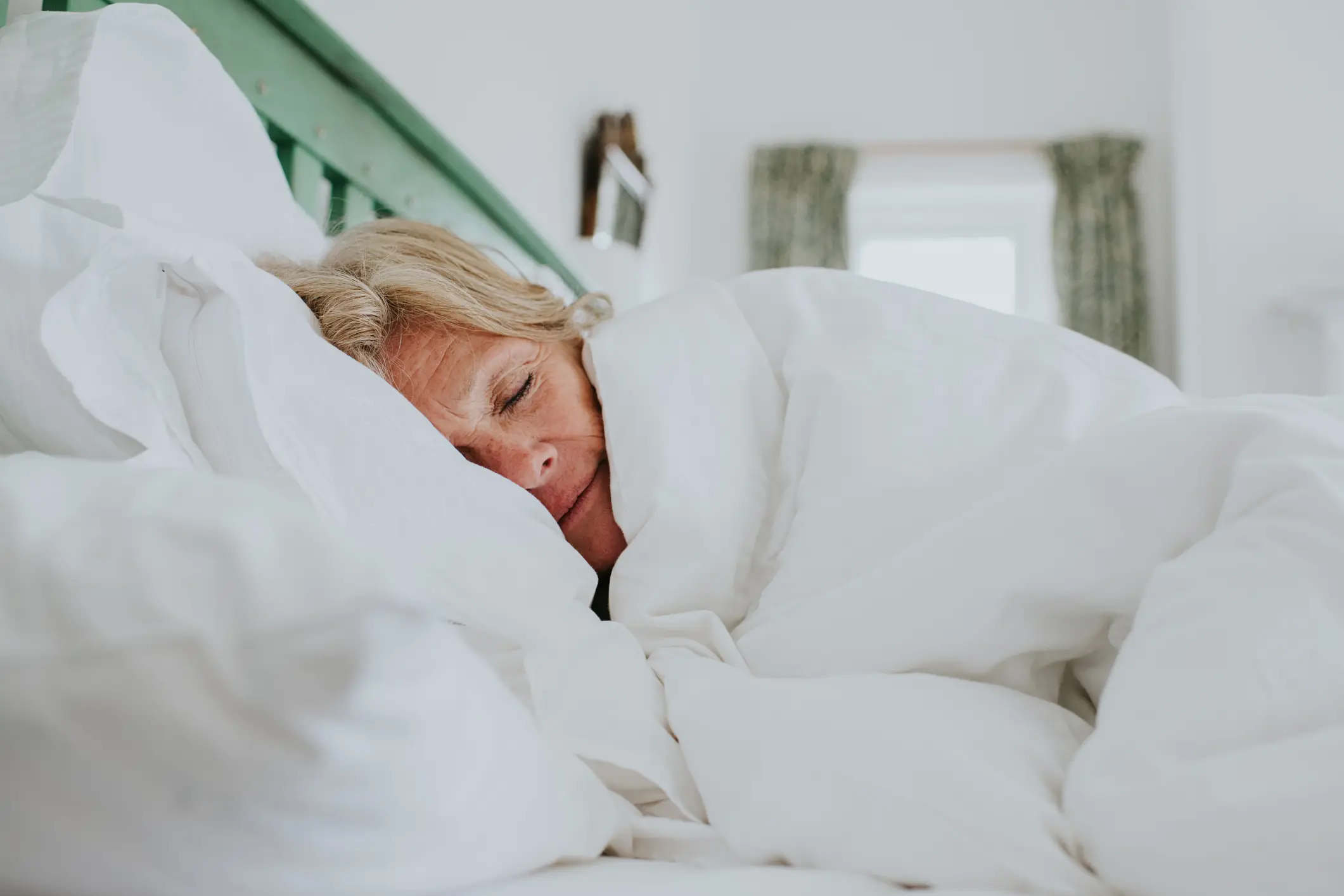
"One of the things I love to say to people with insomnia is it is true that we have to sleep to live," she began. "But we don't want to live to sleep. We've got people on the other end of the spectrum too. All of the myths about you have to sleep eight hours, you have to sleep eight hours.
"We do that because we have to reach people from a public health perspective who are not prioritizing sleep. Right. But then we're throwing people under the bus who over prioritize sleep, because they're the ones listening to that message. And they're the ones getting anxious."
 Callum Jones