
Doctor issues warning about 'Christmas Tree Syndrome' as festive season begins

A doctor is sounding the alarm about a strange syndrome as we head towards the festive season.
Now that Christmas is just around the corner and the cold snap has started to set in, you might have already had a bout of the seasonal flu.
While this is well-documented and to be expected at this time of year, there could actually be something else behind your sniffles and sneezes that's got nothing to do with the office lurgy.
According to Dr Donald Grant, GP and Senior Clinical Advisor at The Independent Pharmacy, one common Christmas decoration could be a prevailing cause for many common allergy sufferers, particularly for those with skin conditions like eczema.
Advert
You might not have thought it before, but the giant Christmas tree you've stuffed in your home to bring some festive joy could be behind your winter woes.
The doctor said: "Anyone suffering from skin conditions such as eczema knows it doesn’t take much for flare-ups to occur. The tiniest change in temperature or hormone levels can cause the condition to spike.
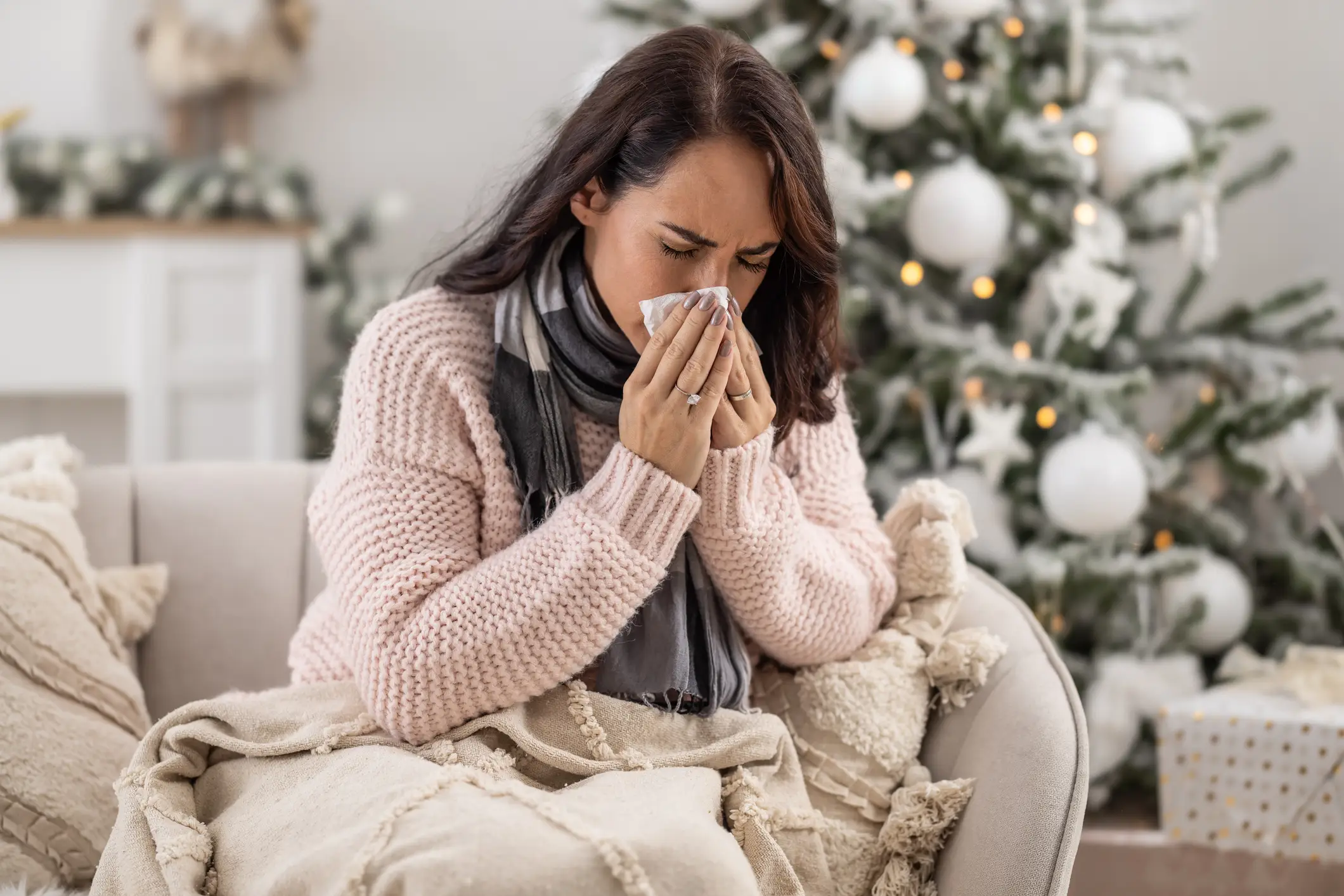
"Over Christmas, trees can also cause symptoms to worsen."
He said your perfect pine, spruce or fir can actually provoke eczema breakouts in dozens of ways, but the main trigger comes down to the sap and oils found on the trees.
"Many trees contain rosin, causing contact dermatitis and irritating sensitive skin," Dr Grant said.
That's not all, either, as the trees could be spreading mould.
“Additionally, these trees are often stored all year round in lofts or sheds," he continued. "The dampness creates the perfect conditions for mould spores to appear - which is harmful to health in many ways, causing respiratory issues including lung infections.
"For eczema sufferers, when these spores are released into the air, inhaling them can quickly trigger a reaction."
Even fake, artificial trees pose a risk, as he said dust accumulated during storage can remain on it, and the spread around the home when decorating.
"These allergens can irritate the skin, leading to flare-ups."

It's not just eczema sufferers who 'should be wary of the tree' either, he said, as 'anyone can have an allergic reaction to the popular decoration, leading to sneezing, coughing, disrupted sleep and sore eyes'.
"This phenomenon is labelled ‘Christmas Tree Syndrome’ and consists of dust, pollen and terpenes causing respiratory issues and allergic reactions."
Fortunately, he said there's a range of treatments and drugs both eczema and allergy sufferers can take advantage of, so they don't have to go entirely treeless over the holidays.
He suggests people with eczema to keep hydrating their skin with moisturiser as this helps 'avoid dryness caused by allergens in the home or the increased use of heating during the colder months'.
For others, over-the-counter medication like Benadryl, popular in the summer, can tackle symptoms.
The doc concluded: "Aside from treatment, I recommend people utilise air purifiers, reduce contact with the tree itself and always check for mould, dirt and dust when taking it back out of storage.
“Certain trees can provide a higher allergy risk than others, fir trees are typically less reactive than pine, meaning they could be a better choice for households with skin conditions or respiratory concerns.”
Topics: Christmas, Health, World News, Community
 Liv Bridge