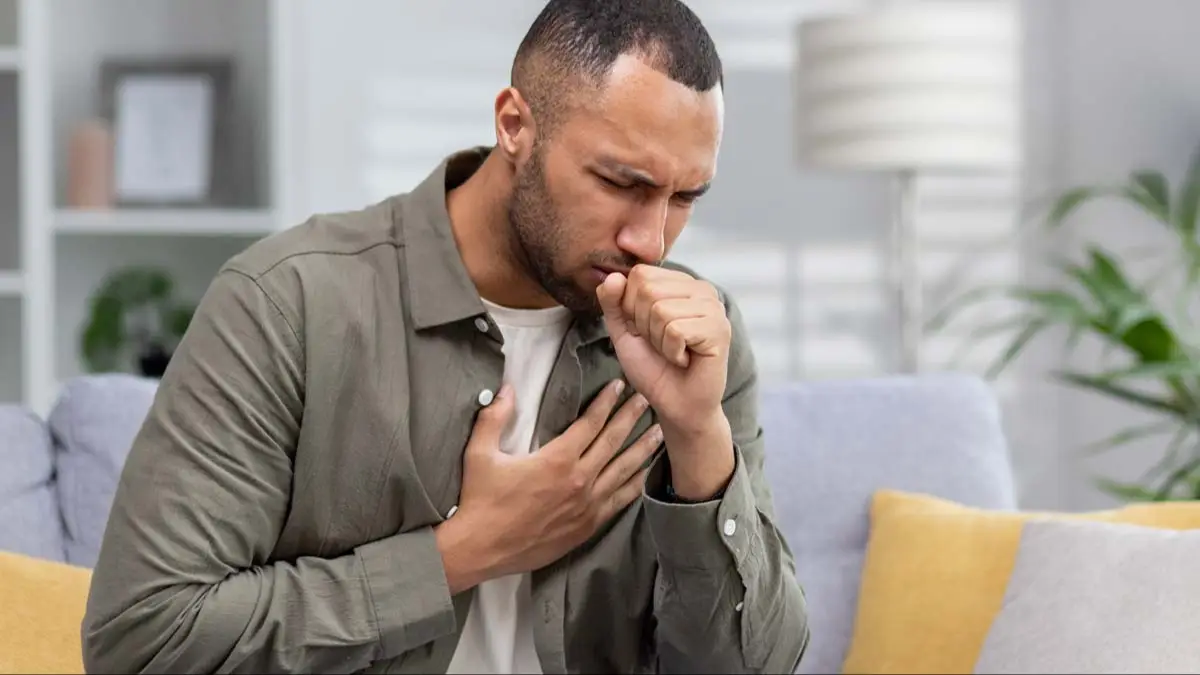
Scientists reveal how people who have had Covid-19 have increased risk of one type of cancer

Scientists have revealed how people who had previously had Covid-19 have a heightened risk of one particular kind of cancer.
The coronavirus pandemic saw the world grinding to a halt in lockdown, but while our lives are now once again open the impact of the pandemic continues.
This is particularly prevalent in the longterm effects of Covid-19, which scientists are continuing to study.
Among them is a new study which has found a correlation between people who had Covid-19, and one form of cancer.
Advert
Covid affects the respiratory system, making it very difficult for patients to breathe when they have a particularly bad case of the condition.
And now, scientists have examined the records around some 76 million people, and drawn a startling conclusion.
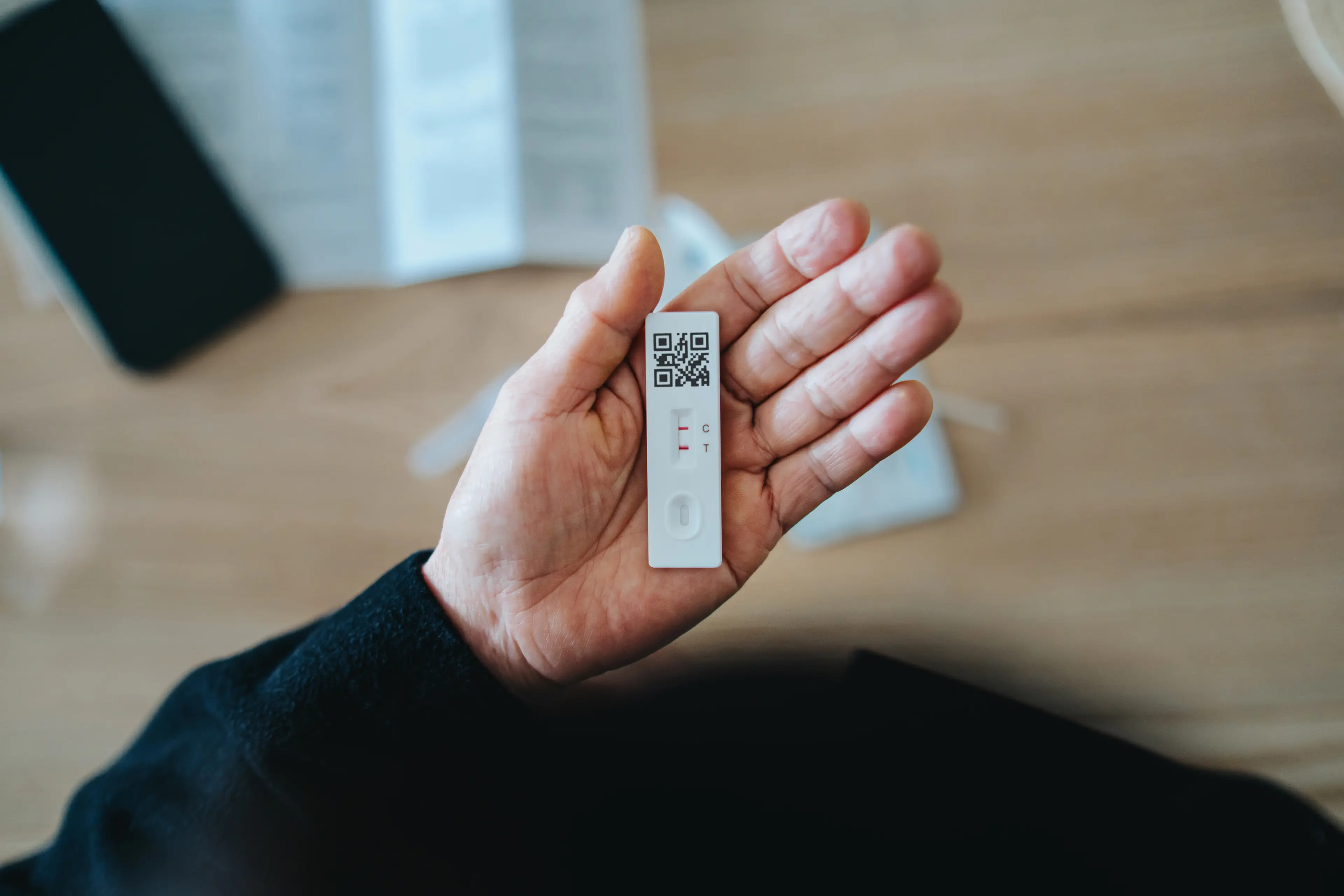
This is that people who had Covid-19 appear to have an increased risk of lung cancer than people who did not have the condition, or only had it mildly.
Alarmingly, researchers working on the study even found this was the case when accounting for patients who smoke.
Smoking is a big cause of lung cancer, but scientists found that this and other risk factors still didn't disrupt the increased risk from having Covid-19.
In fact, the study concluded that having a severe case of Covid-19 increased people's risk of lung cancer by some 24 percent.
Not only that, but the study also found that getting vaccinated against Covid could go some way to mitigating this risk, as studies on mice indicated this.
It was published in the journal Cell, and examined patients in the US.
This found that the increased cancer risk applied to someone if they were hospitalised with Covid-19.
Research was also carried out using mice, with mice infected with either SARS-CoV-2 or influenza A, before allowing them to recover fully.
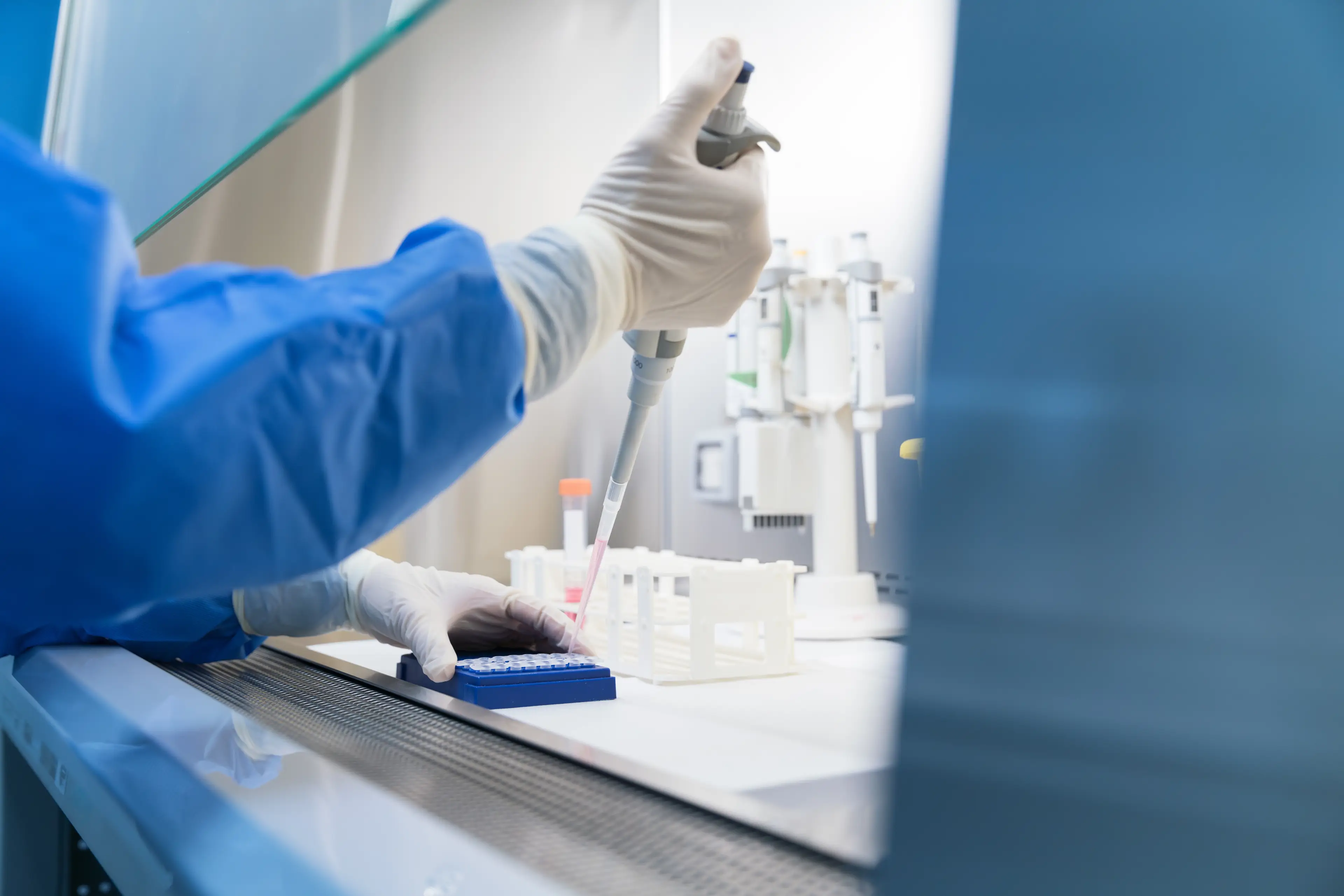
After the mice has recovered, they then introduced lung tumour cells.
When they observed what happened next, researchers found that the mice which had previously been infected with Covid ended up with bigger tumours which also grew faster.
This mean that these mice also died earlier than the mice which had not been infected.
Not only that, but they found that the effect of the infection from Covid on cancer growth was still active around four months after they were first infected.
The study authors wrote: “The Covid-19 pandemic has highlighted the long-term consequences of viral pneumonia, yet its impact on cancer development remains unclear. Here, we show that patients previously hospitalised with severe Covid-19 have an increased risk of subsequent lung cancer.
"Across multiple murine models, severe respiratory viral infections accelerated lung cancer growth, whereas vaccination mitigated infection-enhanced tumour progression.”
Topics: News, World News, Health, Coronavirus
 Kit Roberts