unilad homepage
  • News
    • UK News
    • US News
    • World News
    • Crime
    • Health
    • Money
    • Sport
    • Travel
  • Film and TV
    • Netflix
  • Music
  • Tech
  • Features
  • Celebrity
  • Politics
  • Advertise
  • Terms
  • Privacy & Cookies
  • LADbible Group
  • LADbible
  • SPORTbible
  • GAMINGbible
  • Tyla
  • UNILAD Tech
  • FOODbible
  • License Our Content
  • About Us & Contact
  • Jobs
  • Latest
  • Archive
  • Topics A-Z
  • Authors
Facebook
Instagram
X
Threads
TikTok
YouTube
Submit Your Content
Hackers are cracking passwords using body heat

Home> News

Published 12:59 11 Oct 2022 GMT+1

Hackers are cracking passwords using body heat

New research has highlighted a terrifying new technique

Claire Reid

Claire Reid

google discoverFollow us on Google Discover
Featured Image Credit: Tero Vesalainen / Aleksei Gorodenkov / Alamy Stock Photo

Topics: UK News, Technology, Crime

Claire Reid
Claire Reid

Claire is a journalist at UNILAD who, after dossing around for a few years, went to Liverpool John Moores University. She graduated with a degree in Journalism and a whole load of debt. When not writing words in exchange for money she is usually at home watching serial killer documentaries surrounded by cats.

Advert

Advert

Advert

As cyber security improves, hackers are using ever more sophisticated techniques in an attempt to break into your devices. 

Experts are now warning that would-be hackers could start using heat-detecting cameras to track passwords seconds after they've been typed by following the heat from our fingers.

Researchers from the University of Glasgow used artificial intelligence to find that around 86 percent of passwords could be cracked using thermal images taken around 20 seconds after someone typed it. 

After 30 seconds, this dropped to 76 percent of passwords, and within a minute it fell to 62 percent. 

Advert
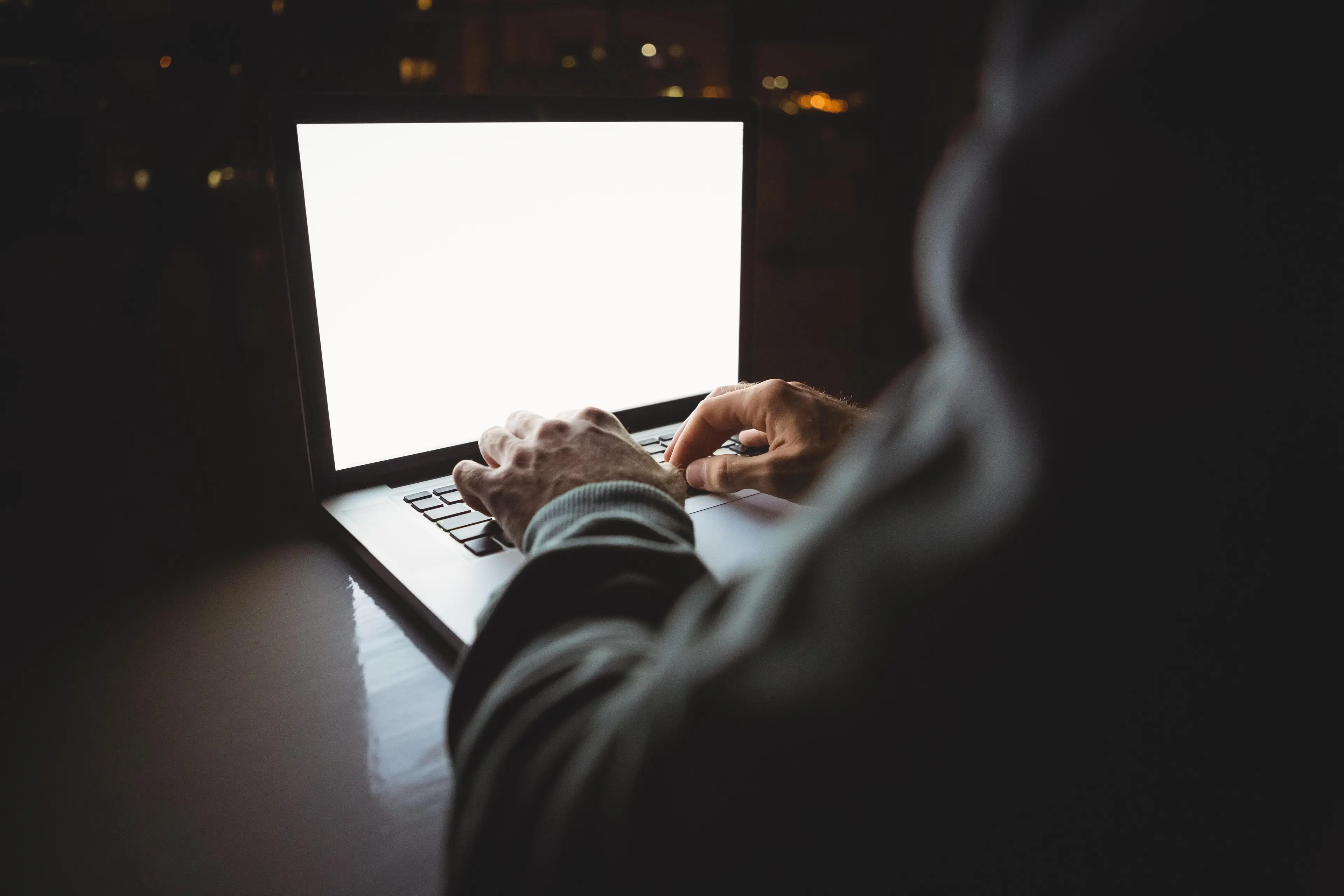
Hackers can use thermal imaging to crack passwords.
Wavebreakmedia Ltd UC18 / Alamy Stock Photo

Hackers using thermal imagery would be able to spot the brighter areas that appear on an image – the brighter the area, the more recently it was touched. 

It's then possible to measure the intensity of the warmer areas to determine the specific letters, numbers or symbols that make up the password, work out in which order they were used and, ultimately, accurately guess your password. 

The study’s authors warned that, as thermal imaging technology becomes cheaper, hackers could turn to such methods to hack phones or computers. 

Mohamed Khamis from the University of Glasgow team said: "They say you need to think like a thief to catch a thief. We developed ThermoSecure by thinking carefully about how malicious actors might exploit thermal images to break into computers and smartphones.
creativep / Alamy Stock Photo

“Access to thermal imaging cameras is more affordable than ever – they can be found for less than £200 – and machine learning is becoming increasingly accessible too. That makes it very likely that people around the world are developing systems along similar lines to ThermoSecure in order to steal passwords. 

“It’s important that computer security research keeps pace with these developments to find new ways to mitigate risk, and we will continue to develop our technology to try to stay one step ahead of attackers.” 

If you want to stay safe, the research suggested longer passwords are more difficult to crack. 
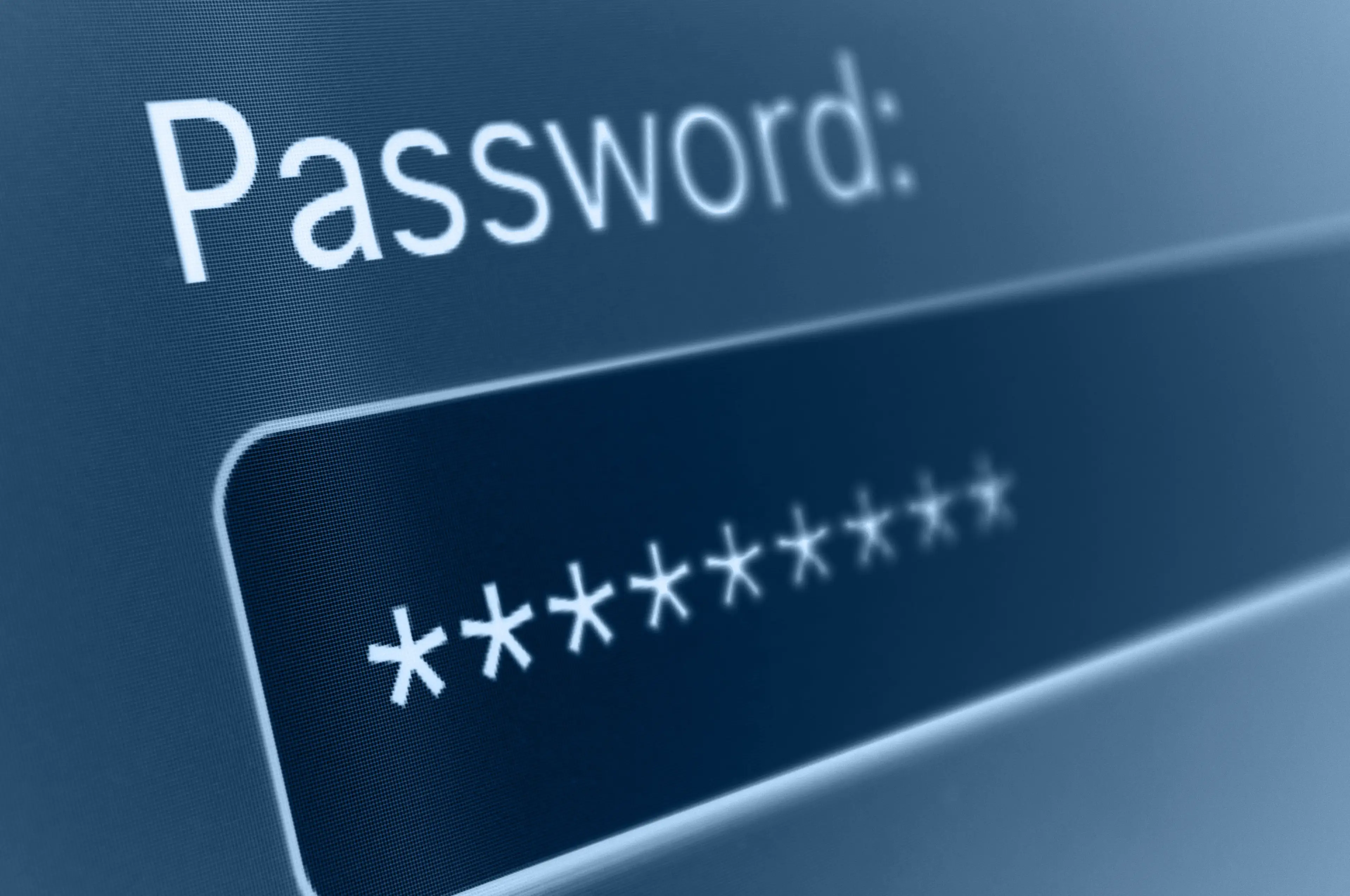
Experts have recommended using a longer password.
Jan Miks / Alamy Stock Photo

The study found that six-character passwords were correctly cracked 100 percent of the time, compared to 82 percent of the time for a 12-character password, and 67 percent for a 16-character password. 

The authors also revealed that backlit keyboards provide more heat and, again, make reading the thermal image more difficult. 

And, if you want to be extra secure, you could ditch entering a password manually altogether. 

Khamis went on: “Users can help make their devices and keyboards more secure by adopting alternative authentication methods, like fingerprint or facial recognition, which mitigate many of the risks of thermal attack.”

If you have a story you want to tell, send it to UNILAD via [email protected] 

  • Crypto CEO responds as hackers demand $20,0000,000 in bitcoin after stealing users’ personal information in major data breach
  • Cybersecurity experts reveal how safe your password actually is and how long it’ll take hackers to guess
  • Expert reveals how to prevent security breaches as 183 million Gmail users have passwords stolen
  • Police officer fired after using sneaky trick to pretend she was working from home

Choose your content:

11 mins ago
an hour ago
2 hours ago
  • Presley Ann/Getty Images for Spotify / Frank Micelotta/Disney via Getty Images
    11 mins ago

    Meghan Trainor reveals text message Ashley Tisdale sent after 'toxic' mom group drama

    Trainor opened up about a message she received from Tisdale after the article was published

    Celebrity
  • Matt McClain/Getty Images
    an hour ago

    What happens now as Democrats file 25th Amendment bill to remove Trump from office

    Lawmakers will consider whether President Trump should be removed from office using the 25th Amendment due to his erratic behavior

    News
  • Getty Stock
    an hour ago

    Which sex position burns the most calories revealed in health study

    Turns out some positions are more athletic than others

    News
  • Getty Stock
    2 hours ago

    Doctor explains how to travel with GLP-1s and why you should never pack it in your suitcase

    It's a question that the millions of Americans using GLP-1s are likely to have asked themselves

    News