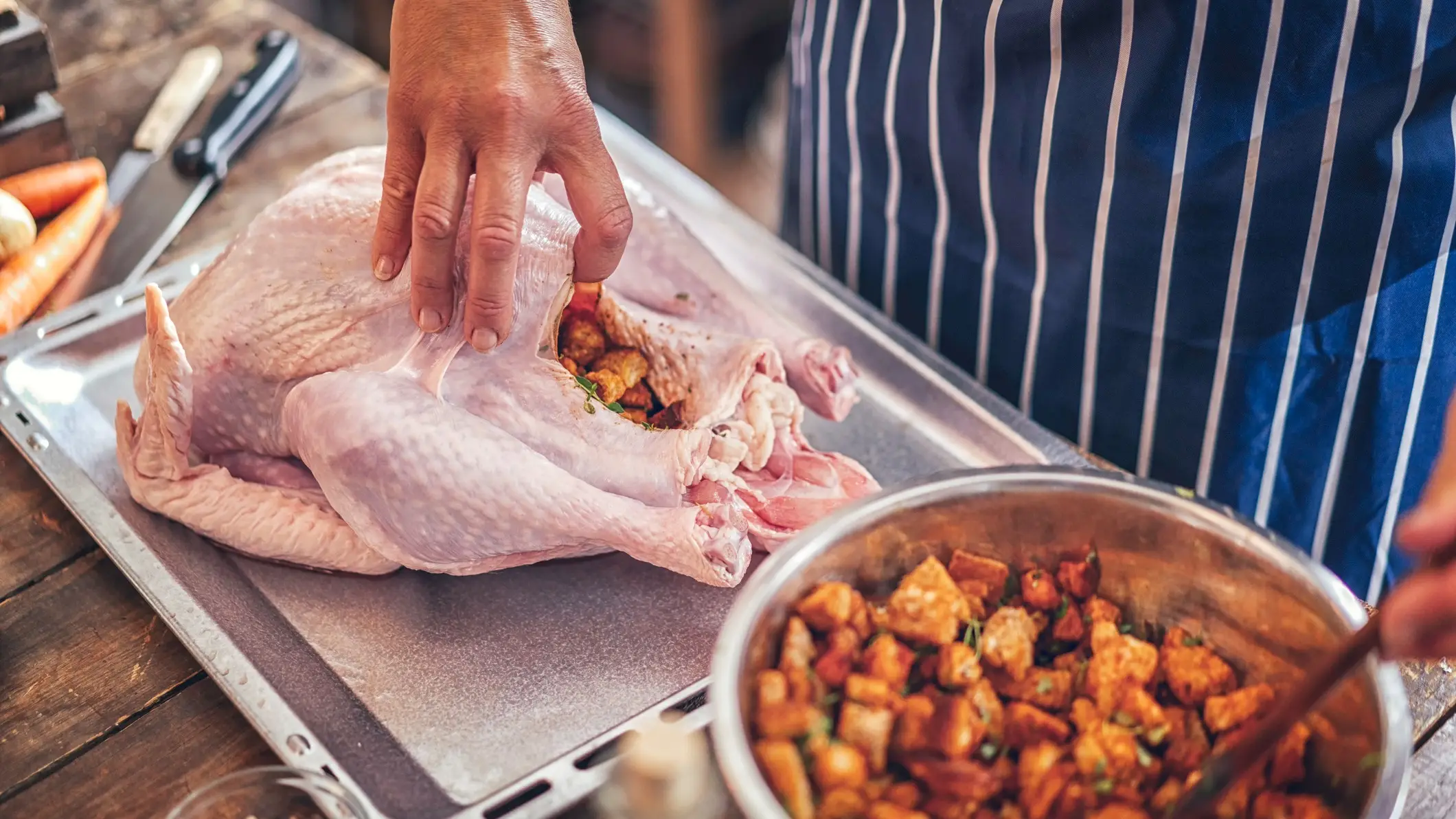
Professional chef explains why you should never stuff your turkey on Thanksgiving

Cooking a turkey is a staple of Thanksgiving, so don’t ruin it by stuffing the bird.
If your turkey isn’t named Waddle, Gobble, Peach, or Blossom, then it’s unlikely Donald Trump has pardoned them from ending up on the dinner table this year.
So, you can rest assured that your Thanksgiving meal will go off without a hitch...unless you’re planning on adding stuffing.
You’re probably wondering what the deal is, as you've likely heard every single turkey cooking tip that is out there, but a chef has explained that when it comes to cooking your turkey, it’s a four-part sin.
Advert
Delish's food editor and chef, Taylor Ann Spencer, listed her reasons behind why you should avoid the temptation to cram some stuffing in your turkey this year.
“But while I’m typically a big fan of holiday traditions, this is one that I will NEVER participate in,” she writes. And never is in all caps, so you know it is serious.
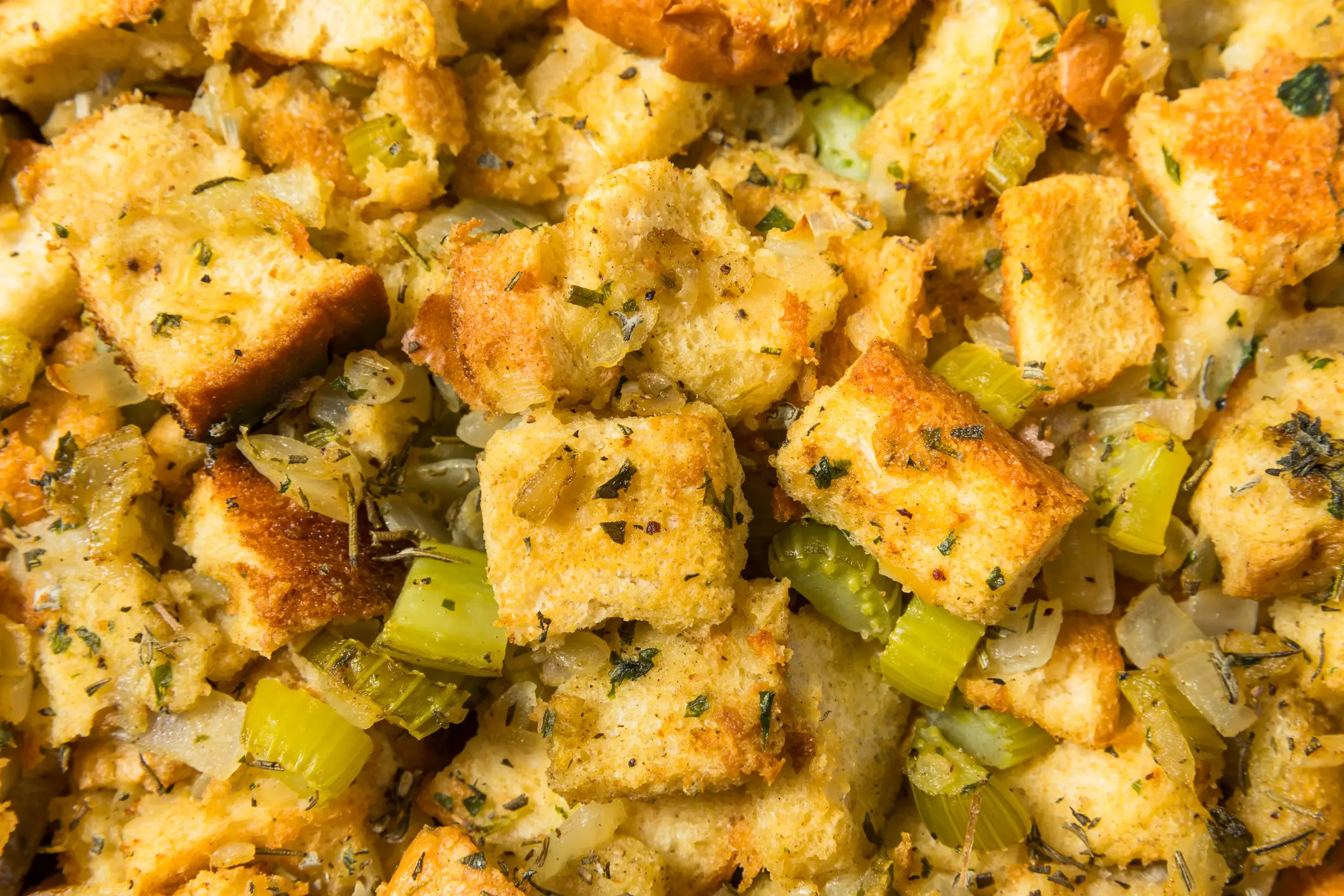
It makes the turkey cook longer
Taylor revealed in her Delish article that stuffing any kind of poultry, like a chicken breast or a whole bird, will make it ‘denser’. This means that your Thanksgiving turkey will ‘take longer to cook to the correct temperature’ when there’s something inside of it.
Obviously, if you’re stuffing it with something light like cheese or thin ham, it’s okay. But when you’re packing it with lumps of sage stuffing, it’s a whole other scenario.
"Between the density of the stuffing and the fact that the hot air can no longer circulate through the turkey to cook it from all sides, you’re looking at a SIGNIFICANT increase in cooking time. I’m talking an extra hour," she adds.
Dry turkey
Dry meat isn’t appealing on any plate, so when it comes to Thanksgiving, and you’ve got the whole family around to judge you, it’s best not to take any risks.
One risk of stuffing your turkey is that it can dry out, making it hard to cook the whole thing evenly due to denser areas.
Taylor explained: “See, because the stuffing has been inserted into the center of the turkey when the turkey is still raw, it’s critical that the center of that stuffing reaches 165° in order to be safe for consumption.
"And by the time that happens, the turkey surrounding it will be wildly overcooked. I’m talking 40° over the recommended temperature.”
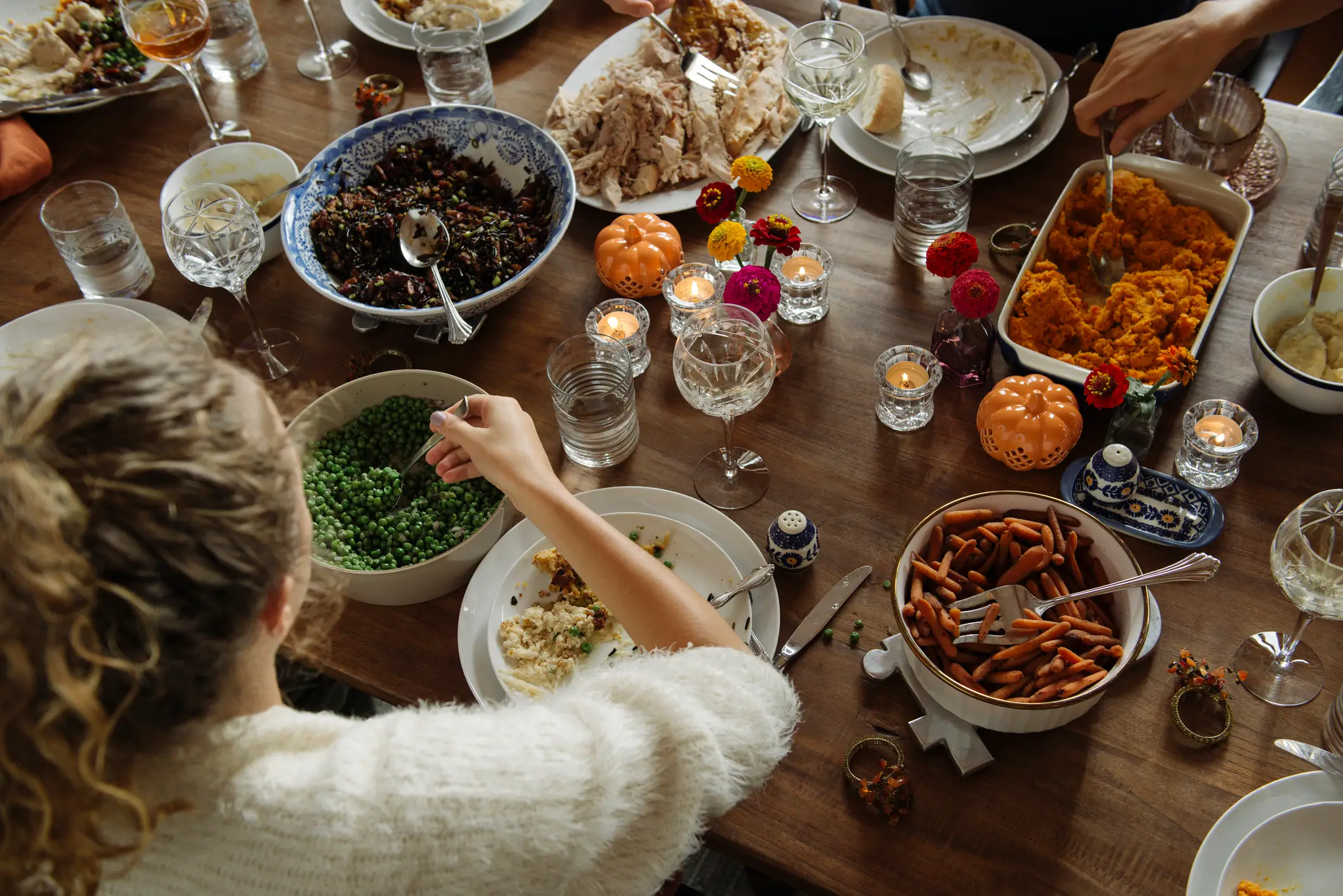
'Soggy' stuffing
If you thought your turkey would make your stuffing moist, I have bad news. According to Taylor, it doesn’t just moisten it; it makes it ‘soggy’.
And nobody wants to eat soggy stuffing on Thanksgiving.
"When you bake a pan of stuffing in the oven, you get this browned, crisp top that goes wonderfully with the soft, steaming (not dry!) interior of the stuffing. That textural contrast is essential to a great stuffing for me," she says.
"But when you bake the stuffing inside the turkey, it steams completely, so you don’t get any browning or crispness anywhere. Instead, you’re just left with a lump of soggy bread mush."
How to cook a Thanksgiving turkey
If you want to know how to cook a good turkey and stuffing for Thanksgiving, the professional chef has her secrets, and she’s sharing them.
Instead of stuffing it, she explained that you can ‘bake the stuffing in a pan and let the turkey cook by itself’ and keep it covered until the last ten minutes of its cooking time so it’s able to brown on top.
But if you want that turkey taste in your stuffing, then Taylor suggests basting it with the turkey's cooking juices once both dishes are fully cooked.
Topics: Food and Drink, US News
 Britt Jones