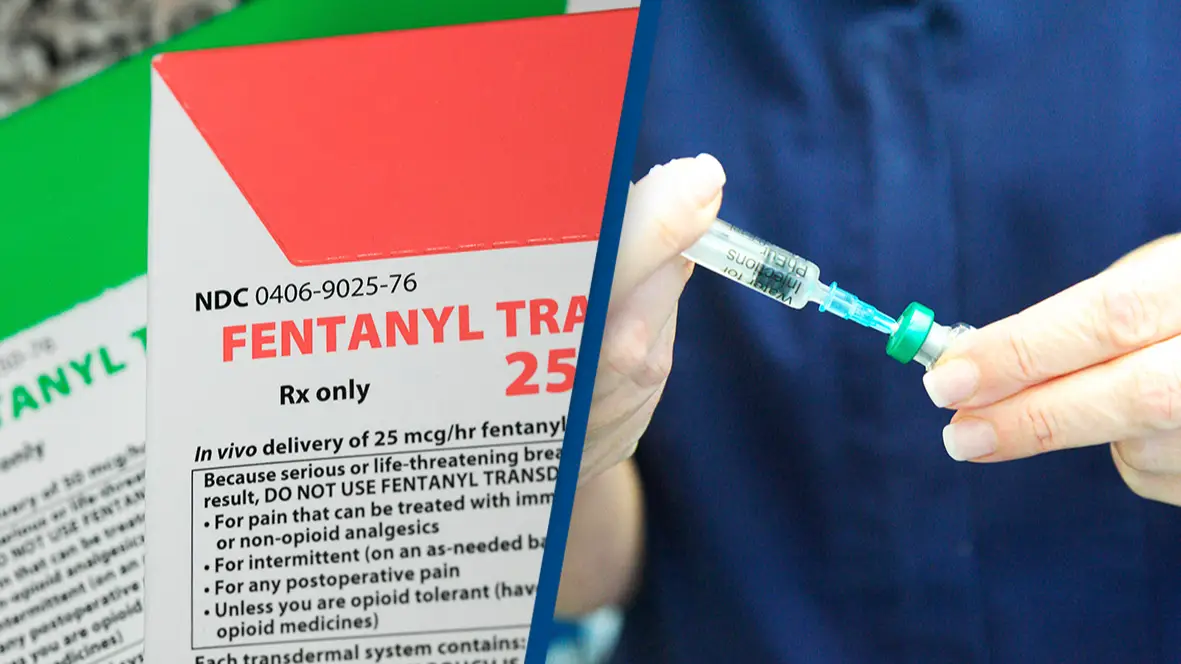
Fentanyl vaccine created by scientists hailed as 'game-changer'

There are hopes a new fentanyl vaccine could have a 'game-changing' impact on the opioid epidemic.
In the US, overdoses are soaring, with the Drug Enforcement Agency (DEA) warning that the highly addictive synthetic drug fentanyl is playing a big part in the spike.
But researchers hope that a new vaccine could help prevent deaths.
It works by preventing the drug from entering the brain, thereby blocking the high, which in turn means it could deter addicts from relapsing.
Advert
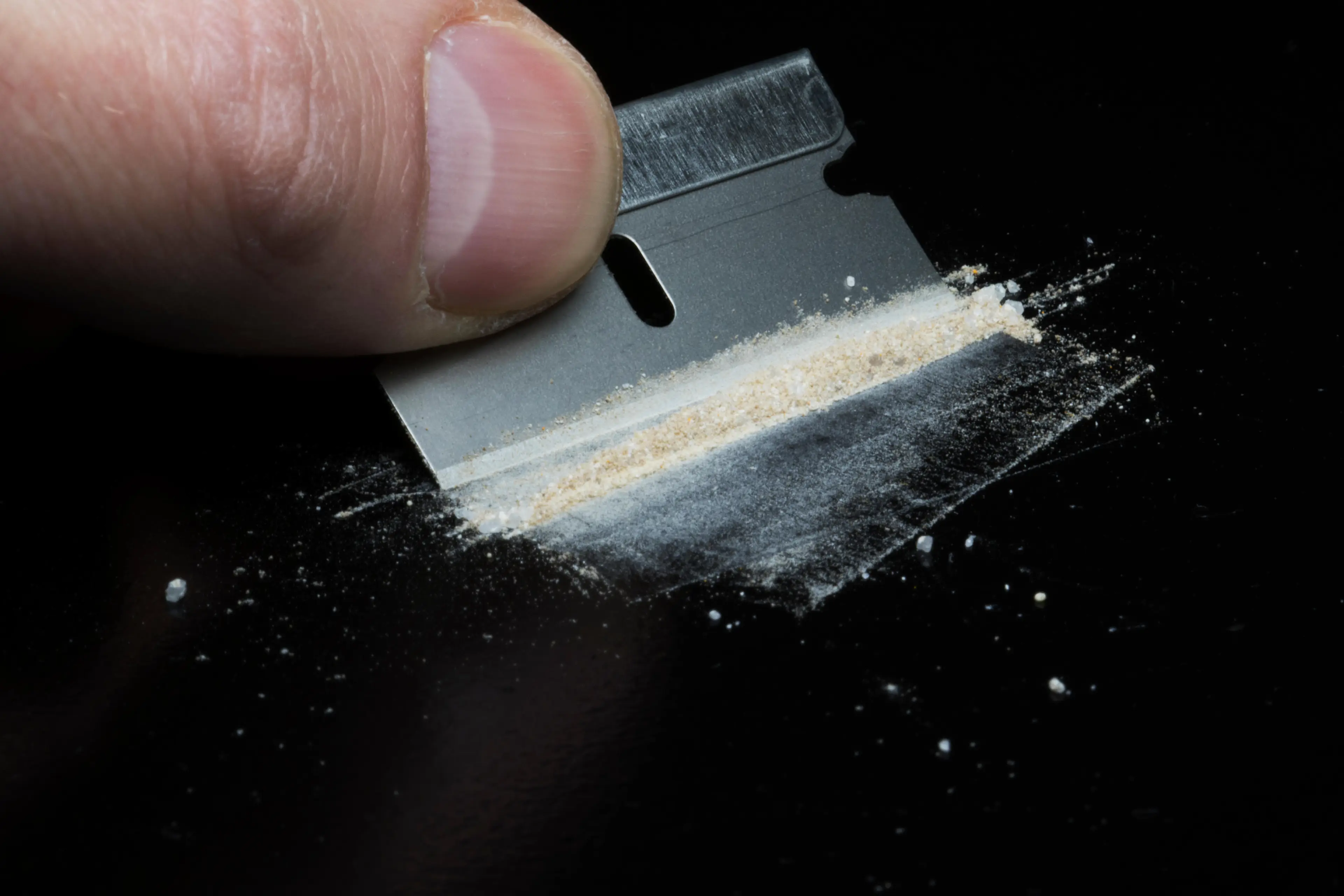
Fentanyl is 50 times stronger than heroin and 100 times stronger than morphine, with research indicating that 80 percent of users relapse.
Consumption of as little as two milligrams is likely to be fatal.
The research – led by a team from the University of Houston and published in the Pharmaceutics journal – offers hope of a solution for addicts.
The study's lead author, Colin Haile, said: "We believe these findings could have a significant impact on a very serious problem plaguing society for years – opioid misuse.
"Our vaccine is able to generate anti-fentanyl antibodies that bind to the consumed fentanyl and prevent it from entering the brain, allowing it to be eliminated out of the body via the kidneys.
"Thus, the individual will not feel the euphoric effects and can get back on the wagon to sobriety."
He added: "The anti-fentanyl antibodies were specific to fentanyl and a fentanyl derivative and did not cross-react with other opioids, such as morphine.
"That means a vaccinated person would still be able to be treated for pain relief with other opioids."
The vaccine was tested on 60 rats and it did not cause any adverse side effects.
Now the teams plans to start manufacturing a clinical-grade vaccine in the coming months, with clinical trials in humans planned soon.
Therese Kosten, professor of psychology and director of the Developmental, Cognitive & Behavioural Neuroscience program at the University of Houston, called the new vaccine a potential 'game-changer'.
"Fentanyl use and overdose is a particular treatment challenge that is not adequately addressed with current medications because of its pharmacodynamics, and managing acute overdose with the short-acting naloxone is not appropriately effective as multiple doses of naloxone are often needed to reverse fentanyl’s fatal effects," said Kosten, a senior author of the study.
The breakthrough comes after the DEA warned earlier this year that overdoses involving fentanyl are on the rise.
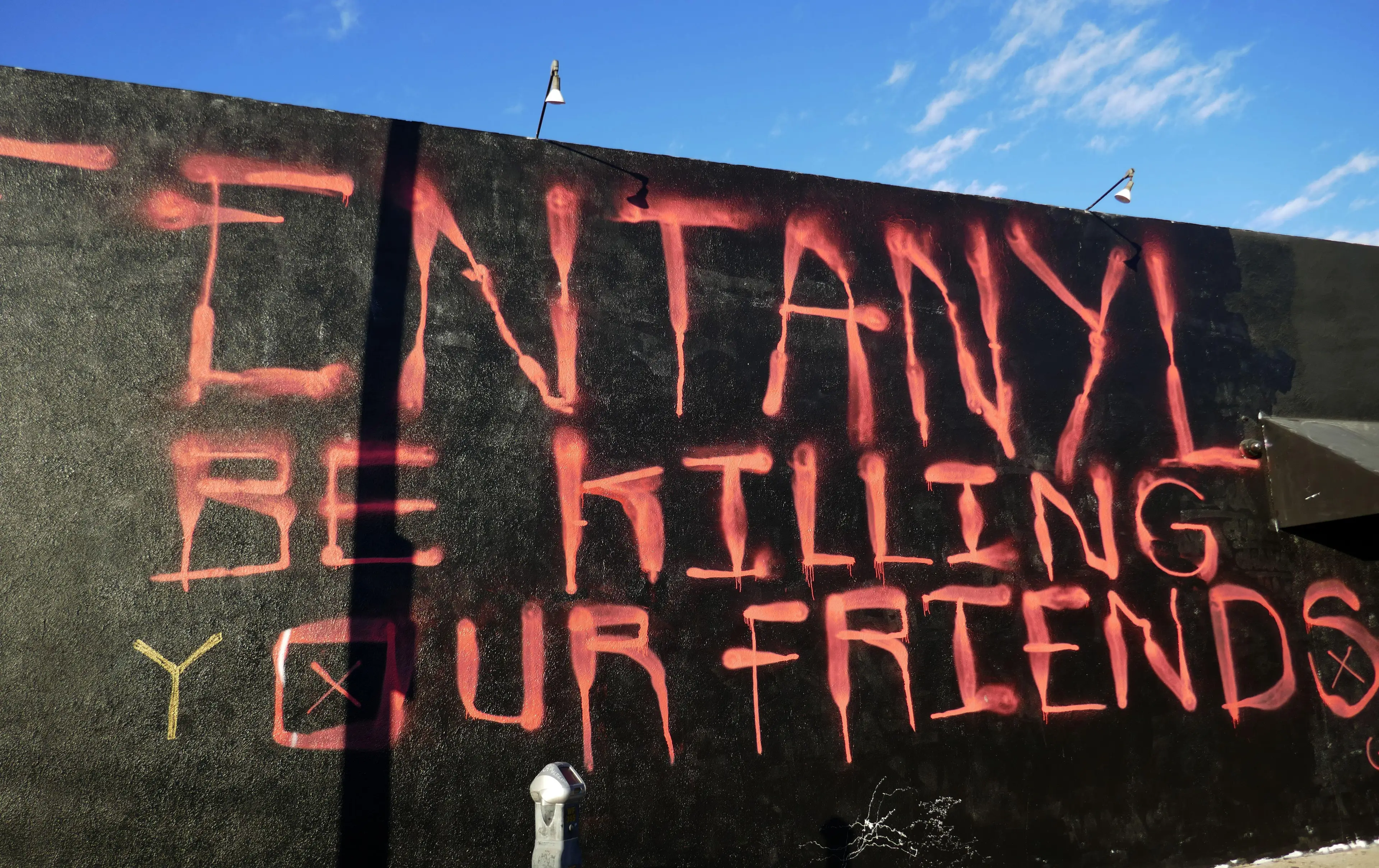
"Fentanyl is killing Americans at an unprecedented rate," said DEA Administrator Anne Milgram back in April.
"Already this year, numerous mass-overdose events have resulted in dozens of overdoses and deaths. Drug traffickers are driving addiction, and increasing their profits, by mixing fentanyl with other illicit drugs.
"Tragically, many overdose victims have no idea they are ingesting deadly fentanyl, until it's too late."
If you want friendly, confidential advice about drugs, you can talk to FRANK. You can call 0300 123 6600, text 82111 or contact through their website 24 hours a day, 365 days a year, or livechat from 2pm-6pm any day of the week
 Jake Massey