unilad homepage
unilad homepage
    • News
      • UK News
      • US News
      • World News
      • Crime
      • Health
      • Money
      • Sport
      • Travel
    • Music
    • Technology
    • Film and TV
      • News
      • DC Comics
      • Disney
      • Marvel
      • Netflix
    • Celebrity
    • Politics
    • Advertise
    • Terms
    • Privacy & Cookies
    • LADbible Group
    • LADbible
    • SPORTbible
    • GAMINGbible
    • Tyla
    • UNILAD Tech
    • FOODbible
    • License Our Content
    • About Us & Contact
    • Jobs
    • Latest
    • Archive
    • Topics A-Z
    • Authors
    Facebook
    Instagram
    X
    Threads
    TikTok
    YouTube
    Submit Your Content
    Expert Explains Why There Are No Bridges Across The Amazon River
    Home>News
    Published 16:12 29 May 2022 GMT+1

    Expert Explains Why There Are No Bridges Across The Amazon River

    The 4,000-mile long river flows through three countries

    Emily Brown

    Emily Brown

    google discoverFollow us on Google Discover
    Featured Image Credit: Alamy

    Topics: World News, Science, Environment

    Emily Brown
    Emily Brown

    Emily Brown is UNILAD Editorial Lead at LADbible Group. She first began delivering news when she was just 11 years old - with a paper route - before graduating with a BA Hons in English Language in the Media from Lancaster University. Emily joined UNILAD in 2018 to cover breaking news, trending stories and longer form features. She went on to become Community Desk Lead, commissioning and writing human interest stories from across the globe, before moving to the role of Editorial Lead. Emily now works alongside the UNILAD Editor to ensure the page delivers accurate, interesting and high quality content.

    Advert

    Advert

    Advert

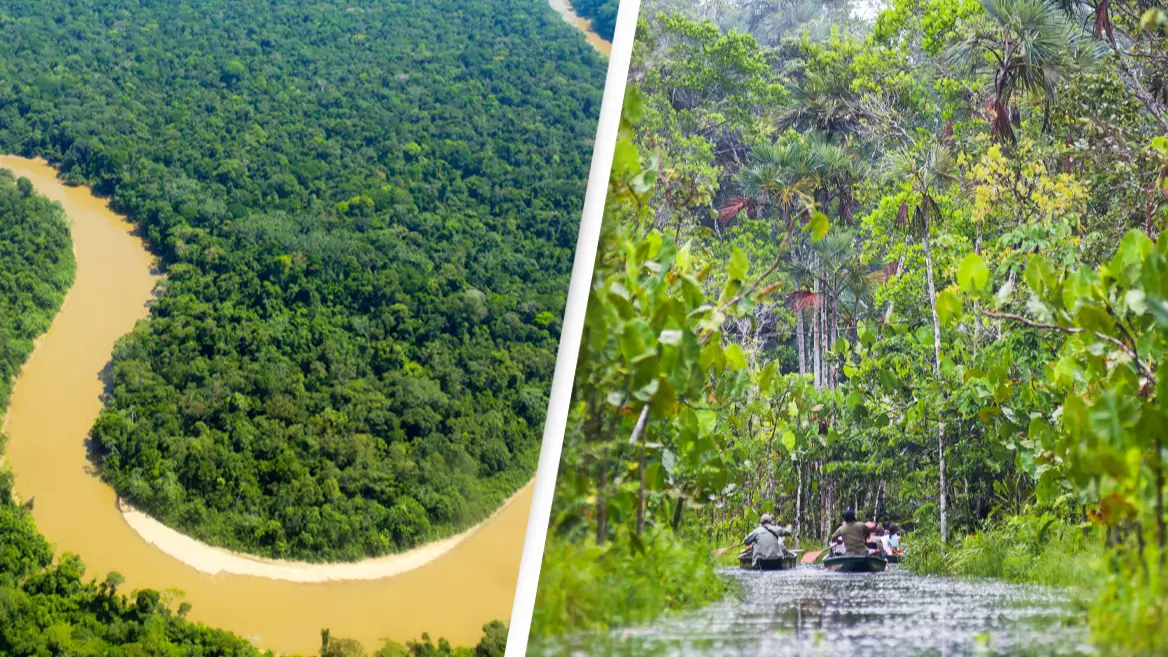
    An expert has revealed why there are no bridges over the 4,000-mile long Amazon river, which runs through multiple different countries.

    Unlike some small, lazy rivers where a few big stones are enough to allow a person to get across, the Amazon river is not one you can conquer without a bit of help.

    The world's second-longest river, the width of the Amazon averages between two to six miles depending on the area, and can even reach up to 30 miles wide during rainier periods.
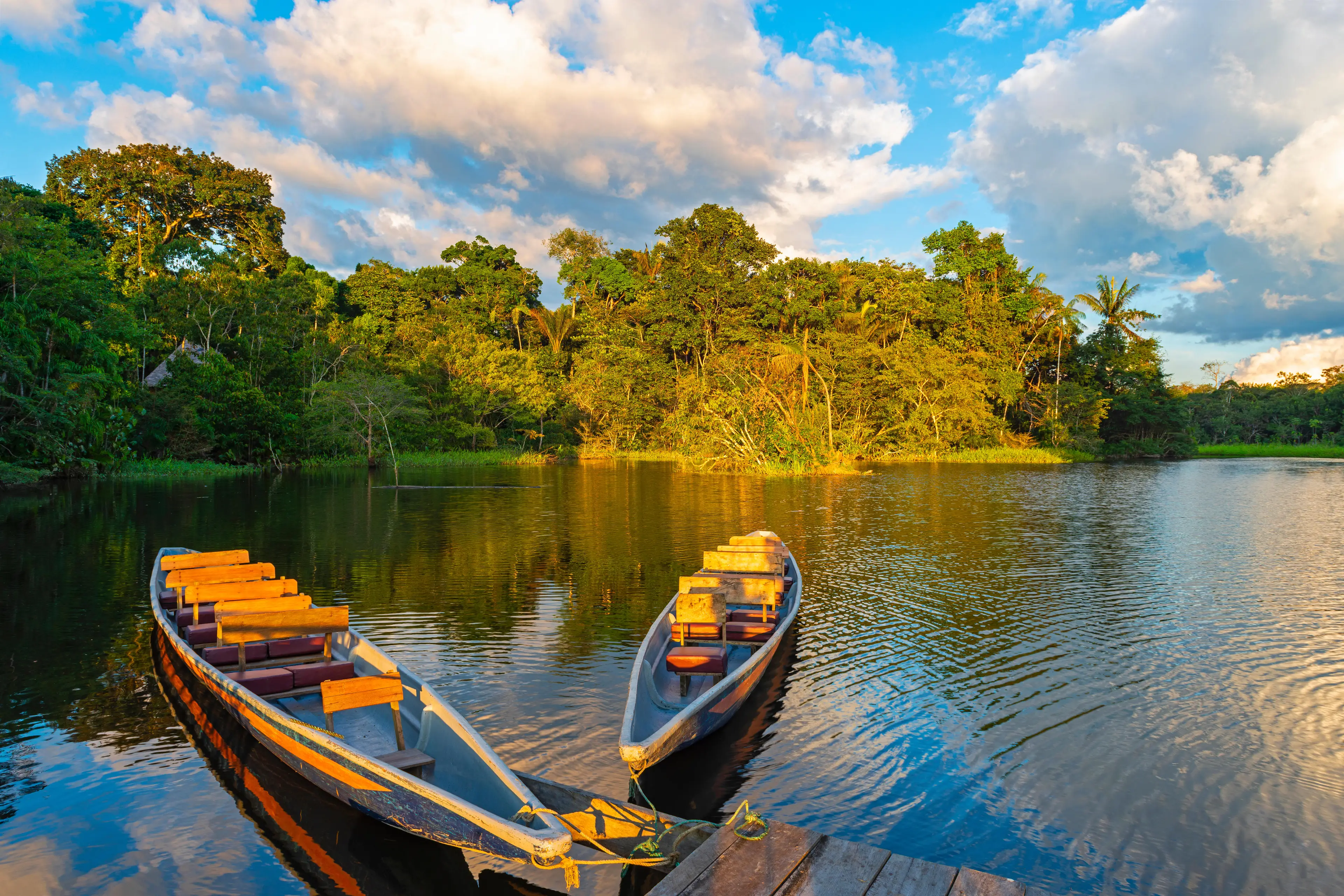
    Boats can be used to cross the Amazon river.
    Alamy

    Advert

    Needless to say it's not the easiest thing to get across, and the journey is made more difficult by the fact there is not a single bridge at any point on the river; not in Peru, Colombia or Brazil.

    It's certainly unusual, given there are multiple bridges over many smaller waterways, but the reason for this lack of crossings has been explained by Walter Kaufmann, chair of Structural Engineering (Concrete Structures and Bridge Design) at the Swiss Federal Institute of Technology (ETH) Zurich.

    Speaking to Live Science, Kaufmann said the explanation is simple: "There is no sufficiently pressing need for a bridge across the Amazon."

    Despite its length, many of the areas located near the river are sparsely populated, meaning there aren't many major roads for a bridge to connect to.

    Where there are bigger towns and cities, there are also boats and ferries which have been established to transport people and goods from one side the next, meaning it is not difficult to get by without a bridge.

    Though the lack of demand is a major reason there are no bridges crossing the Amazon, Kaufmann said there are also 'technical and logistical difficulties' to building along its banks, including natural formations which may hinder builders.
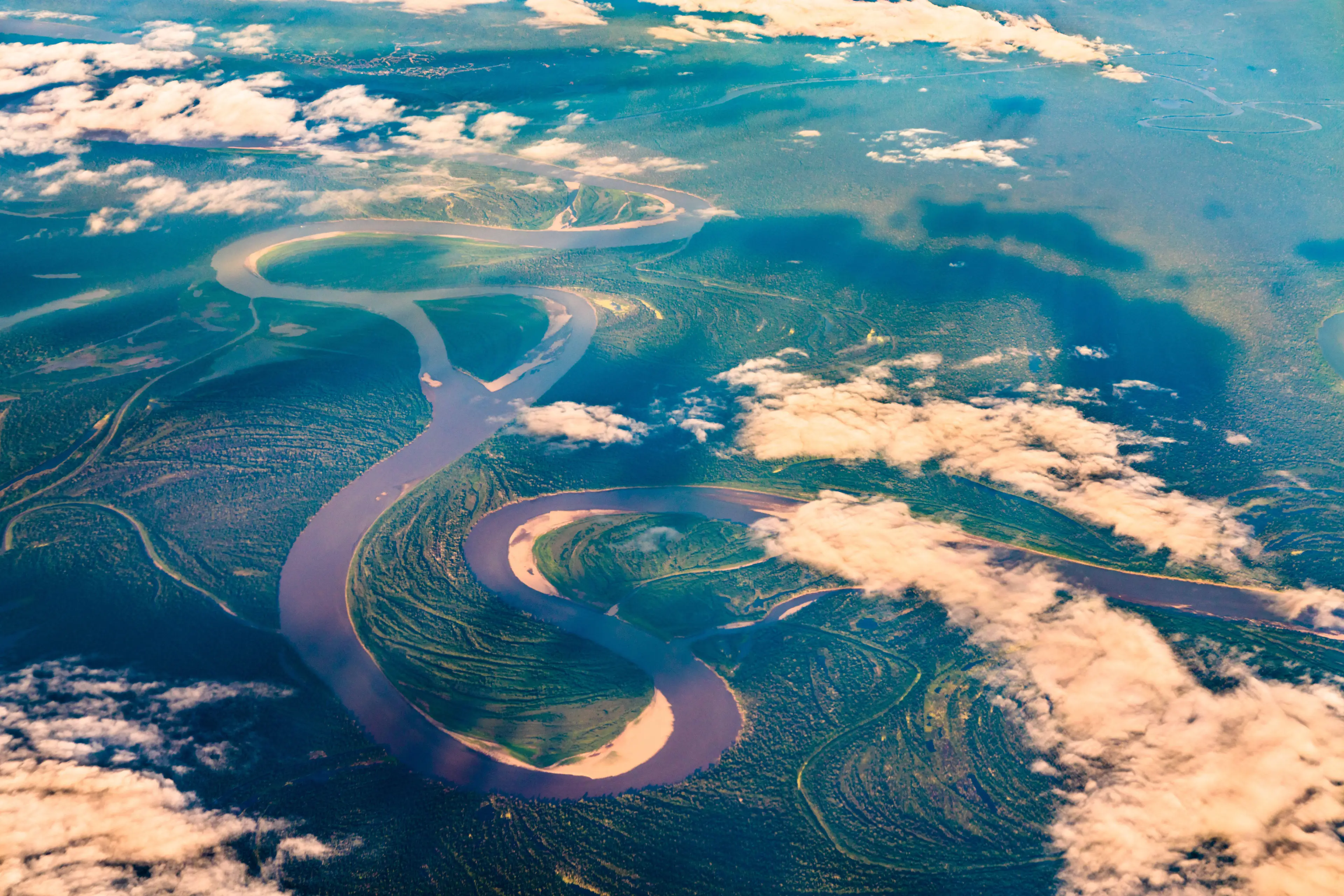
    Experts say there is no need for a bridge over the Amazon river.
    Alamy

    The river's marshes and soft soils would create a need for 'very long access viaducts and very deep foundations', Kaufman explained, and as a result the construction would require hefty financial investment.

    The creation of a bridge would also be hindered by the 'pronounced differences' in water depth which takes place across the different seasons, with Kaufmann explaining: "The environment at the Amazon is certainly among the most difficult [in the world].

    "Bridges across straits are also challenging if the water depth is deep, but at least you know that construction is possible using pontoons, for example."

    Pontoons, or floating structures, would not work in most parts of the Amazon due to the way it changes through the seasons, Kaufmann said.

    If you have a story you want to tell, send it to UNILAD via [email protected]  

    Choose your content:

    3 hours ago
    13 hours ago
    14 hours ago
    • Adam Gray/Bloomberg via Getty Images
      3 hours ago

      Transport Sec. Sean Duffy comes under fire for response to Frontier Airlines disaster

      One person was killed and 12 injured in Friday's deadly collision at Denver International Airport

      News
    • Getty Stock
      13 hours ago

      What your answer to 'the Red or blue Button' dilemma means, according to science

      The red button or blue button debate has split social media in half, but a game theory expert has broken down what it actually means

      News
    • TLC
      14 hours ago

      The horrific crimes 90 Day Fiancé Geoffrey Paschel went to prison for explained

      Geoffrey Paschel appeared on our TV screens not long before being imprisoned for 18 years over a brutal attack on his ex

      News
    • Getty Stock
      14 hours ago

      The simple way swingers spot each other on a ‘spicy’ cruise explained

      There's a simple way to tell if passengers are up for 'play'...

      News
    • Pilot explains why there are tiny holes in every plane window
    • Expert explains why President's Day isn't actually called President's Day despite being recognized across US
    • Man who has spent 27 years walking across the globe using no transport reveals the two scariest places
    • Why there are no bodies at the Titanic wreckage site as sealed engine room theory is explained