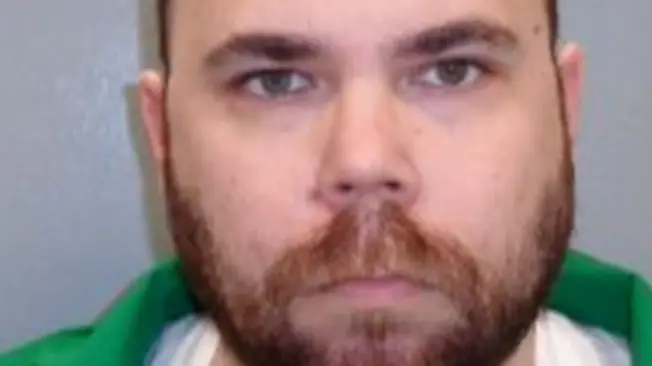
Surprising final meal of death row inmate who chose rare execution method revealed

A death row inmate’s final meal has been revealed after he was executed by a rare method that’s now been used three times after a 15-year break.
Stephen Bryant was sent to his death yesterday (November 14) after he murdered three people over 20 years ago.
Bryant was sentenced for the 2004 slayings of Willard Tietjen, 62, Clifton Gainey, 36, and Christopher Burgess, 35, which took place over the course of five days in South Carolina.
After pleading guilty to the three counts of murder in 2008, he went on to spend 17 years on death row.
Advert
Bryant was said to have painted the message 'catch me if u can' in blood on the wall of his victim's home using blood in a bid to taunt police.
It was his choice to die by a firing squad after his lawyers failed to stop his execution.

Three members of the prison staff carried it out after a hood was placed upon his head and a target was placed over his heart, the Associated Press reported.
For inmates who are about to die, they’re given the choice to select their final meal in prison, which can comprise of some very surprising picks.
Think about it, if this was going to be your last meal ever, you’d choose a medley like no other.
For Bryant, he opted for seafood, and a lot of sides.
He reportedly ate a spicy mixed seafood stir-fry, with fried fish over rice, egg rolls, some stuffed shrimp, two candy bars as a sweet treat and then German chocolate cake as dessert, according to the Independent.
Bryant’s lawyer Bo King tried to argue his upbringing should have been considered in his sentencing.
He said that Bryant had a genetic disorder and was also a victim of physical and sexual abuse as a child.
King then alleged that Bryant’s mom’s binge drinking during pregnancy had 'permanently damaged his body and brain', and that the judge did not get the chance to consider his brain damage.
In a statement after his death, King said: “Tonight, South Carolina gave Mr Bryant his final wounds in a lifetime of suffering.
“Mr Bryant’s impairments left him unable to endure the tormenting memories of his childhood.
"When these traumas pushed him to mental collapse, he pleaded for professional help. He was refused care by our broken mental health system because he could not afford the fee of $75.
“Mr Bryant’s final wish was that no other person in need of aid face that rejection. That is consistent with the man we knew, who showed grace and courage in forgiving his family and great love for his those in and outside of his prison. We will remember his unlikely friendships, his fierce protectiveness, and his love for nature, the water, and the world."
 Britt Jones