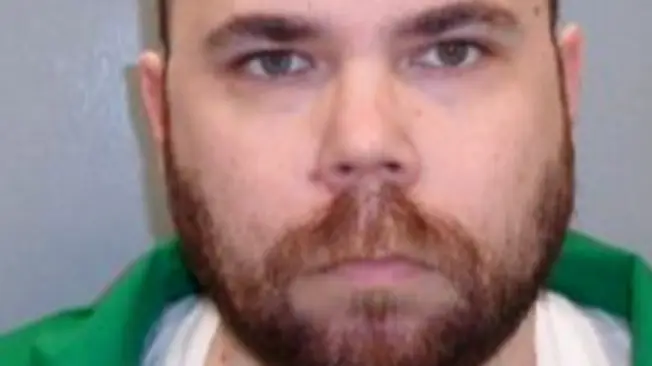
Chilling final moments of death row inmate who chose rare execution method revealed

A death row inmate was executed yesterday by a rare and brutal method, more than 20 years after he carried out a string of horrifying killings.
Stephen Bryant killed three people - Willard Tietjen, 62, Clifton Gainey, 36, and Christopher Burgess, 35 - over five days in South Carolina back in 2004, and pleaded guilty to the three counts of murder in 2008.
He was sentenced to death, and would spend next 17 years on death row.
The Supreme Court in South Carolina did not halt Bryant's execution, which went ahead as planned on 14 November.
Advert
Investigators on Bryant's case said that he had burnt Tietjen's eyes with cigarettes and painted the message 'catch me if u can' in blood on the wall of his victim's home, taunting police.
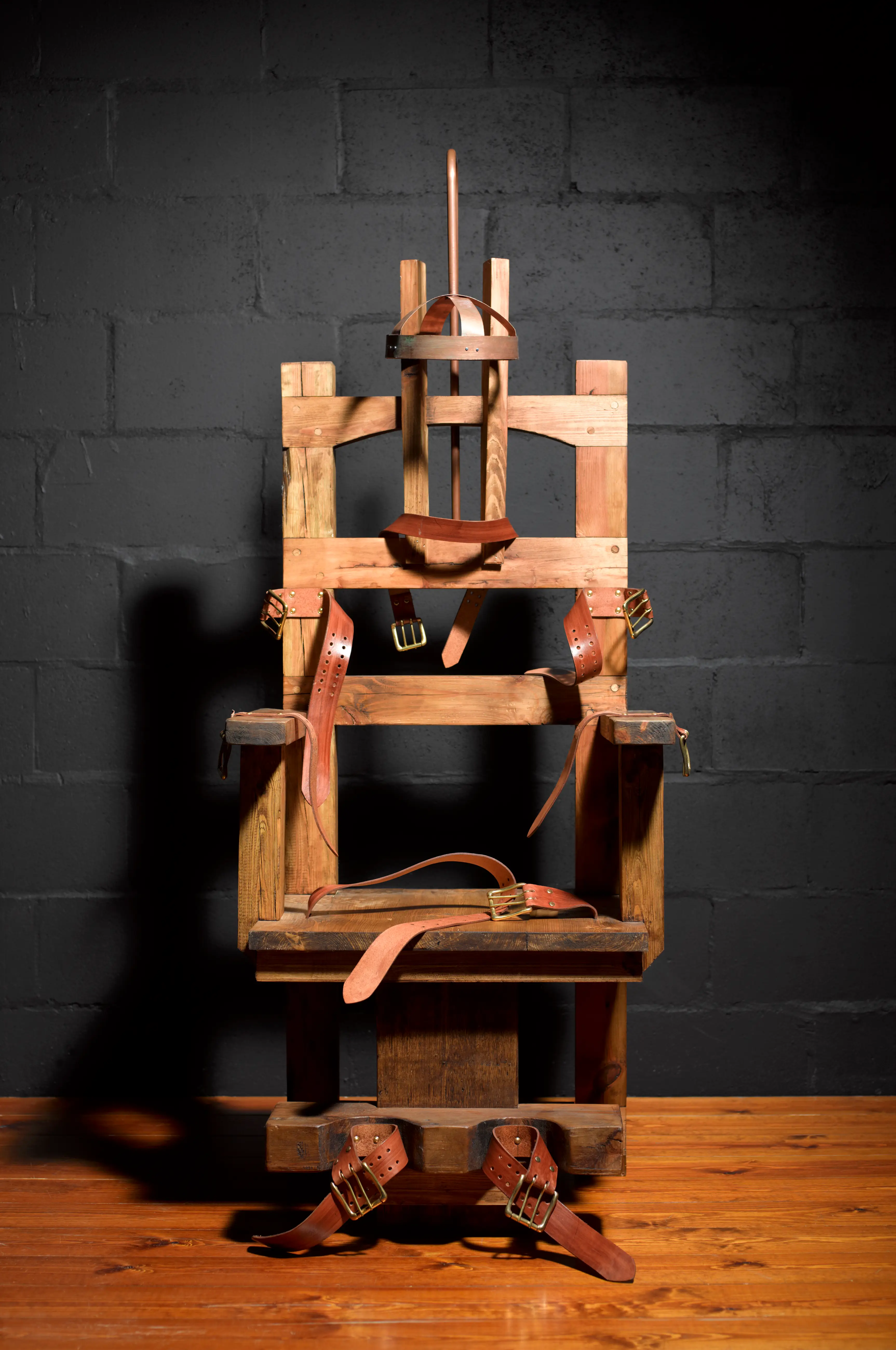
There are three methods of execution which are used in South Carolina, and people condemned to the death penalty in the state choose between lethal injection, electric chair and firing squad.
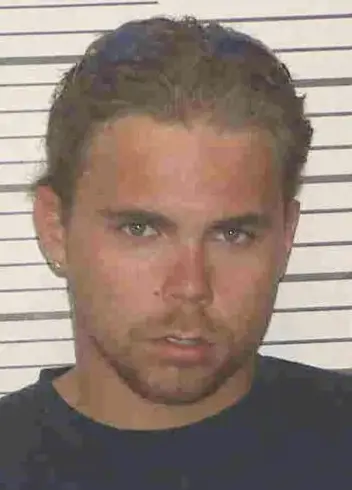
Bryant opted to die by firing squad, the third person to do so in the US following a period of 15 years.
His sentence was carried out by three volunteers from the prison staff, who all used live ammunition.
Reports from the execution said that Bryant did not make any final statement before the hood was placed over his head.
A red bullseye target placed over Bryant's heart fell forward, while Bryant himself made no noise, the Associated Press reported.
Bryant appeared to take some shallow breaths before having a final spasm just over a minute afterwards. A doctor pronounced him dead at 6.05pm.
State lawyers wrote: “The character of the defendant and the circumstances of the crimes weigh in favor of the harshest punishment."
Bo King is a lawyer who works on cases involving the death penalty in South Carolina.
He argued that Bryant had a genetic disorder and had been a victim of physical and sexual abuse as a child.
King added that Bryant's mom's binge drinking during pregnancy had 'permanently damaged his body and brain', and that the sentencing judge was not able to consider his brain damage.
In a statement after Bryant's execution, King said: “Tonight, South Carolina gave Mr Bryant his final wounds in a lifetime of suffering.
“Mr Bryant’s impairments left him unable to endure the tormenting memories of his childhood.
"When these traumas pushed him to mental collapse, he pleaded for professional help. He was refused care by our broken mental health system because he could not afford the fee of $75.”
King went on to say that it had been Bryant's wish that no-one else face that rejection.
 Kit Roberts