Scientists reveal why you shouldn't buy kids teddy bears for a surprising reason

With the festive season well and truly here, you may want to think twice before buying a teddy bear for a young relative.
Many kids across the US will be opening a cuddly toy on Christmas Day this year, with the gift being popular in households across the country for generations.
But scientists over in France are saying these Christmas favorites could negatively impact how children view nature.
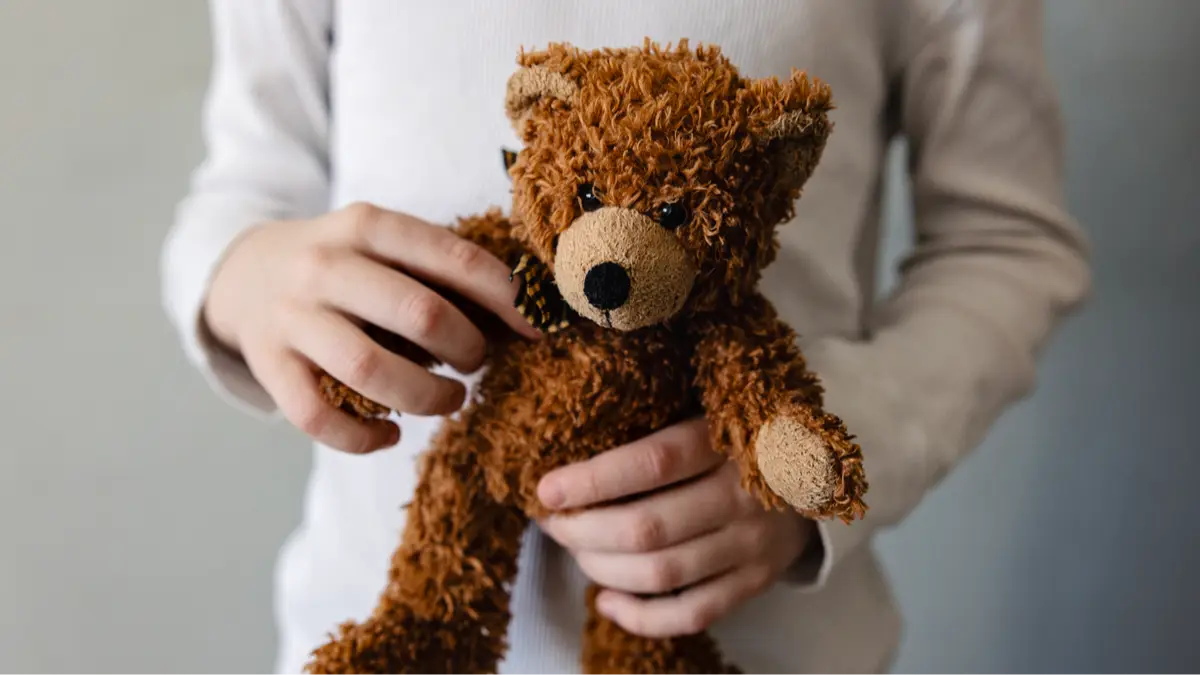
Researchers say teddy bears are a 'caricature' of the real animal due to their oversized heads, large eyes, stomach and long arms in various different incarnations.
Advert
Basically, the scientists working on the study want teddy bears to be more representative of the real thing, which they hope will lead to infants finding a fondness for animals from a young age.
Dr Nicolas Mouquet, lead author on the study and an ecologist at the French National Centre for Scientific Research (CNRS), told the Daily Mail: "For many children, their first 'wild animal' isn’t spotted in the forest but cuddled in their crib.
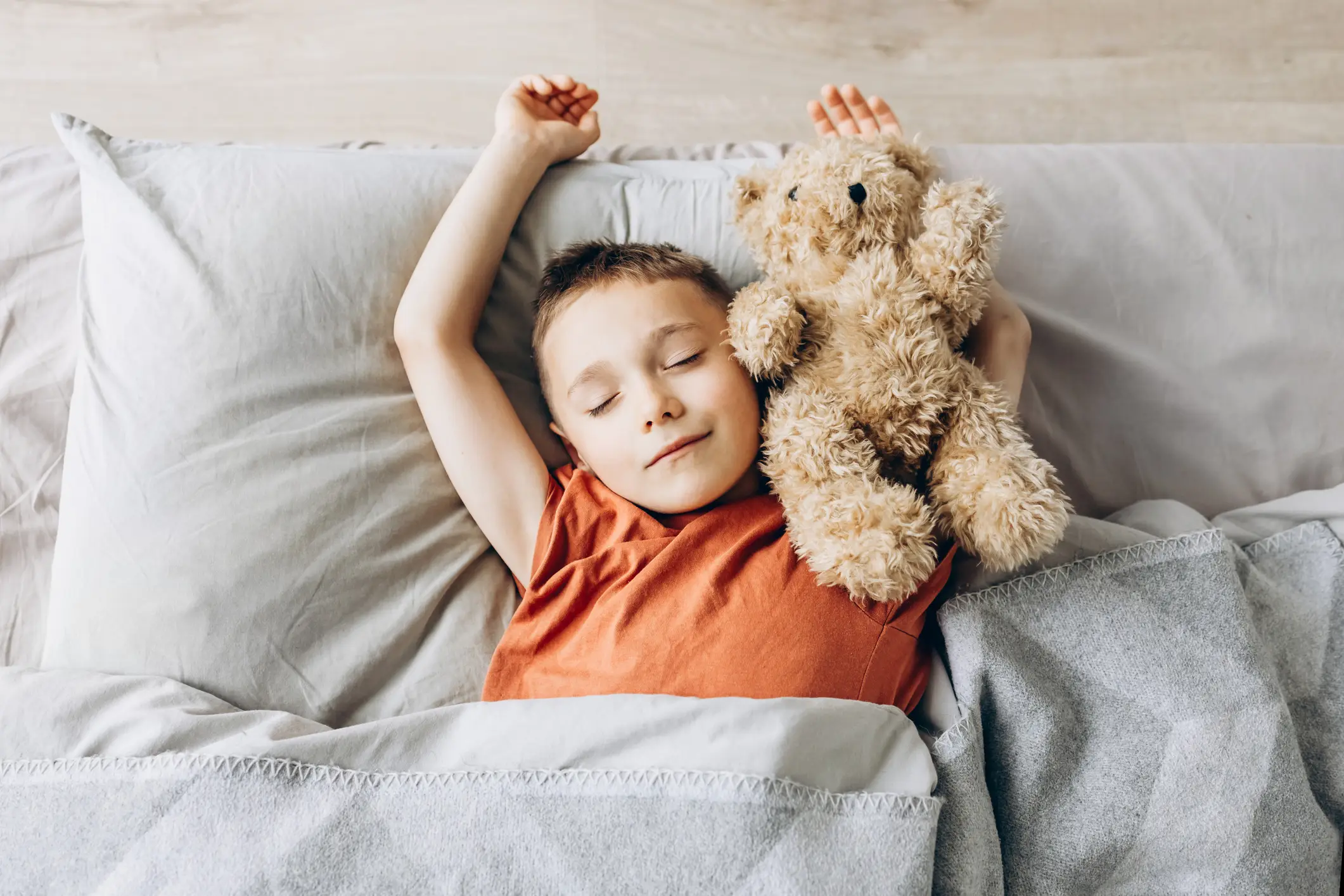
"The features that make teddy bears so lovable, big round heads, soft fur, uniform colours, and gentle shapes, don’t resemble wild bears at all. If the bear that comforts a child looks nothing like a real bear, the emotional bridge it builds may lead away from, rather than toward, true biodiversity."
Saying this, real bears are not nearly as cuddly as their soft boy counterparts. They kill around one person a year in the US, usually because they feel threatened by humans, so they're perhaps not the sort of creature you want to tuck into bed with your kid.
11,000 people were involved in the study, with 43 percent saying that their childhood toy had been a bear.
But scientists note that these cuddly bears follow the characteristics of humans more than actual bears, which experts believe is a wasted opportunity given it could teach children about nature.
Dr Mouquet added: "Teddy bears follow universal cuteness rules: big heads, round silhouettes, uniform soft fur, neutral colours, and expressive eyes, features that make them instantly lovable.
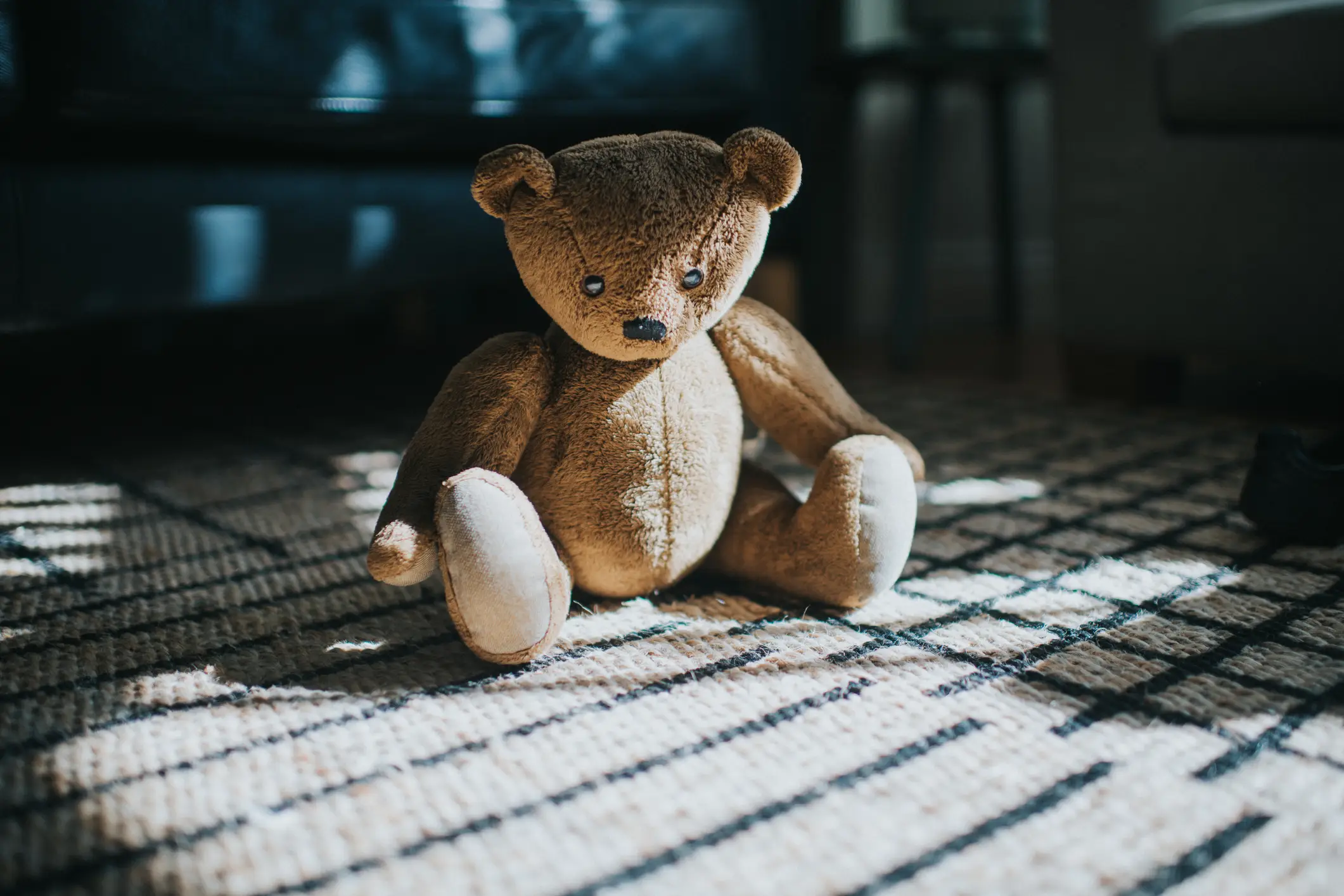
"Don’t misinterpret our results, our goal isn’t to get rid of teddy bears, far from it! These toys are wonderful companions. Instead, we think they can be used more thoughtfully."
Dr Mouquet added that his interest in researching teddy bears come from a 'broader question', which is: why do some species get a lot of attention and protection, while others are ignored?
"Teddy bears are a fun, almost universal way to explore this same bias, because they reveal which traits make us care about certain animals from a very young age," the expert added.
 Callum Jones