unilad homepage
unilad homepage
  • News
    • UK News
    • US News
    • World News
    • Crime
    • Health
    • Money
    • Sport
    • Travel
  • Music
  • Technology
  • Film and TV
    • News
    • DC Comics
    • Disney
    • Marvel
    • Netflix
  • Celebrity
  • Politics
  • Advertise
  • Terms
  • Privacy & Cookies
  • LADbible Group
  • LADbible
  • SPORTbible
  • GAMINGbible
  • Tyla
  • UNILAD Tech
  • FOODbible
  • License Our Content
  • About Us & Contact
  • Jobs
  • Latest
  • Archive
  • Topics A-Z
  • Authors
Facebook
Instagram
X
Threads
TikTok
YouTube
Submit Your Content
Victims describe stings from mysterious 'Doom Jellyfish' which causes pain so intense people ask to die
Home>News>Animals
Published 17:24 19 Jul 2024 GMT+1

Victims describe stings from mysterious 'Doom Jellyfish' which causes pain so intense people ask to die

A sting from a Irukandji Jellyfish can lead to hours of excruciating pain

Niamh Shackleton

Niamh Shackleton

google discoverFollow us on Google Discover
Featured Image Credit: 60 Minutes Australia/ Getty Stock Photo

Topics: Australia, Nature, Animals, Health

Niamh Shackleton
Niamh Shackleton

Niamh Shackleton is an experienced journalist for UNILAD, specialising in topics including mental health and showbiz, as well as anything Henry Cavill and cat related. She has previously worked for OK! Magazine, Caters and Kennedy.

X

@niamhshackleton

Advert

Advert

Advert

While sharks are typically at the top of people's concerns in Australia's waters, there's a lethal type of jellyfish that swimmers should be just as wary of.

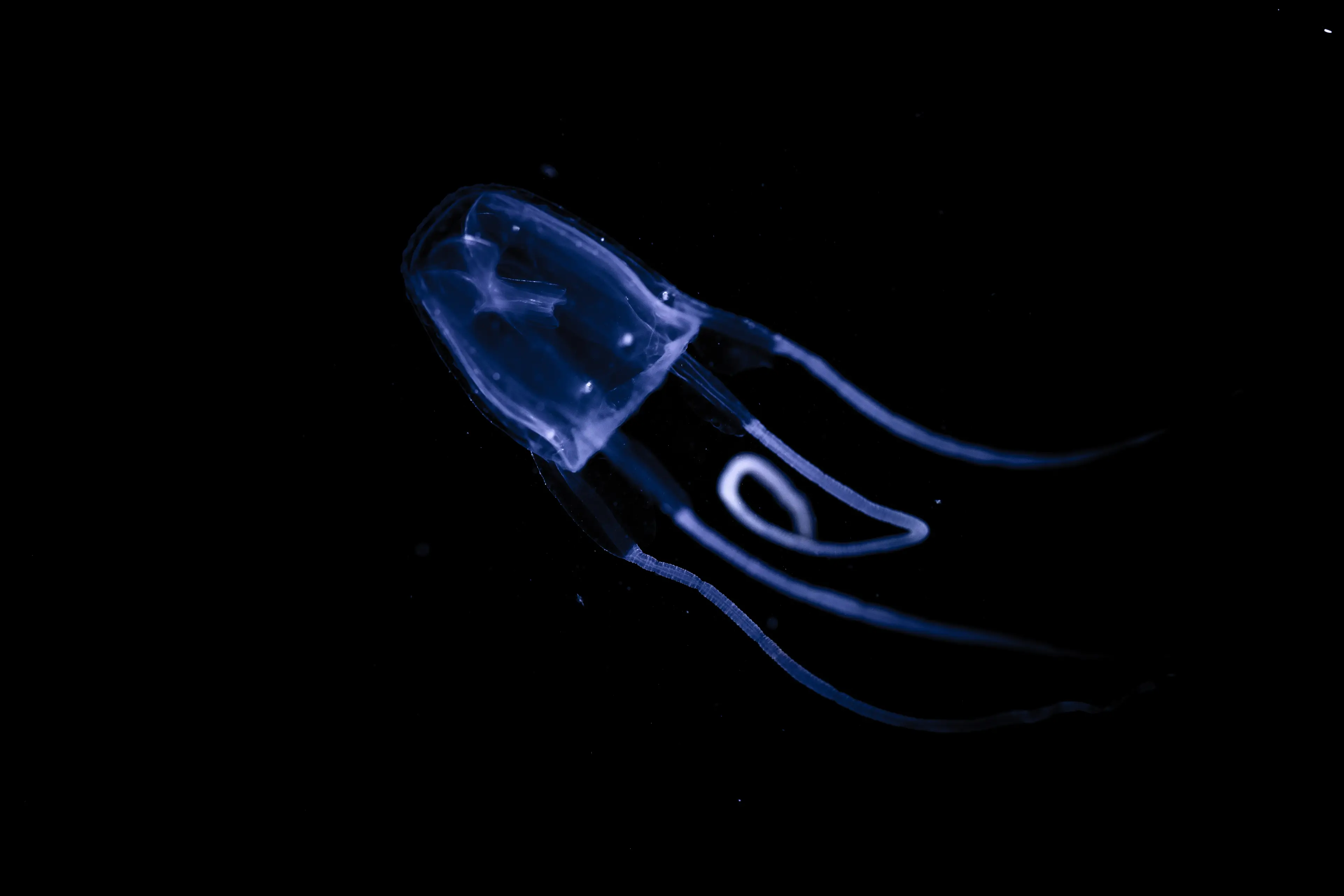
This tiny jellyfish has a sting that's so lethal, it can potentially kill and to make things worse, the Irukandji jellyfish - also known as the 'Doom Jellyfish' - is pretty difficult to spot.

The toxic animal is found in Australia, typically in the country's northern waters.

Irukandji jellyfish are no bigger than a fingernail. (Getty Stock)

Advert

The bell of the jellyfish ranges from 5mm to 25mm in size, while it's long, thin tentacles can grow to be either a few centimeters long to a whole meter. It's these tentacles that they fire into their victims with its sting causing what's known as Irukandji syndrome.

The effects of the syndrome can be excruciating, with victims having reporting hours of pain after being stung.

Other symptoms include vomiting, muscle cramping, hypertension, and potentially life-threatening cardiac complications.

It's also said to leave you with a 'feeling of doom' that end up so severe that patients have asked their doctors to kill them, according jellyfish scientist Lisa Gershman.

Sharing her own experience of being stung by a Doom Jellyfish, Dr. Teresa Carrette, a venom ecologist, recalled on the Endless Thread podcast: "By the time we got to the hospital I was on my hands and knees trying to get myself to a hospital bed."

She continued: "They do administer about the same amount of painkillers you'd give someone in a near-fatal car crash. I had about five times the amount of morphine for my bodyweight."

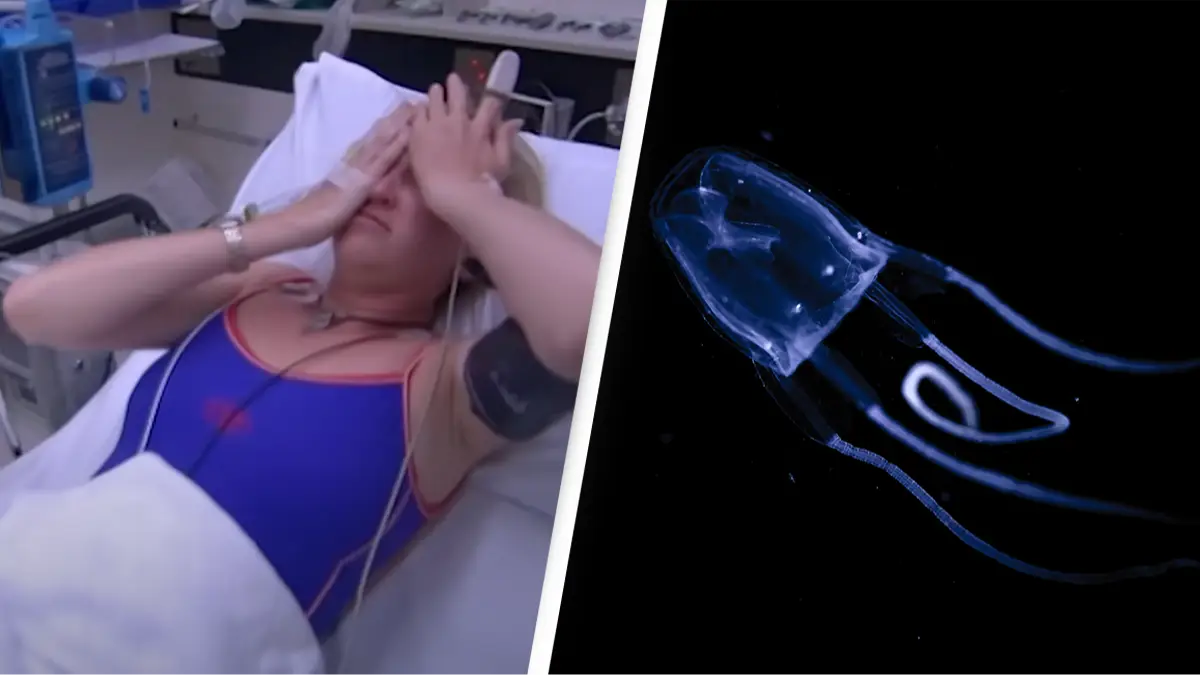
The aftermath of Teresa and her research partner Jamie Seymour's stings were documented on a 2004 episode of 60 Minutes Australia.

Luckily, they both survived the ordeal.
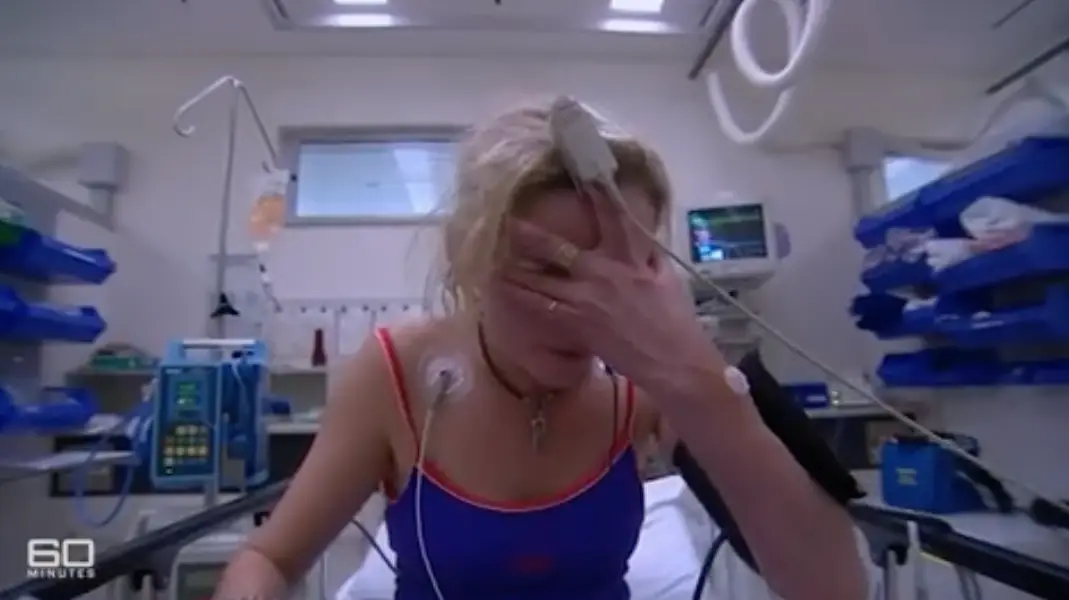
Dr. Teresa Carrette is one person to have survived a Doom Jellyfish sting. (60 Minutes Australia)

More recently, Will Willitts thought he was going to die when he was stung.

"I didn’t think I was going to get to the hospital in time. I was terrified," he said. "‘At one point lying on the floor, shaking and fighting to breathe, I thought 'this is it, I’m going to cark it.'"

Fortunately this wasn't the case and after Will was given several intravenous courses of medication, including an administration of magnesium to counter the jellyfish’s venom’s effect on his body, he went on to make a full recovery.

Concerningly the Irukandji jellyfish is so small that the animal is known to slip through stinger-resistant enclosures that are put in place to protect beachgoers, so people have been urged to be extremely vigilant.

If you're stung by a Doom Jellyfish, it's advised that you seek medical attention immediately. According to FINIA, symptoms of Irukandji syndrome can take 5 to 45 (typically 20-30) minutes to develop after being stung.

Choose your content:

6 hours ago
13 hours ago
14 hours ago
  • University of Genoa
    6 hours ago

    Husband speaks out after both wife and daughter die in Maldives scuba tragedy

    'Something must have happened,' he insisted while trying to come to terms with the double loss.

    News
  • GoFundMe
    13 hours ago

    Mom issues warning after doctors 'dismissed' cancer symptom as canker sore

    Rachel Passarella first noticed the sign in 2025, before being handed the devastating diagnosis months later

    News
  • TikTok/@sebastiank22
    13 hours ago

    Terrifying simulation shows how woman died on escalator after scarf got caught in machine

    It's estimated that around 17,000 citizens suffer from escalator and elevator related accidents annually

    News
  • ITV
    14 hours ago

    Doctor reveals signs of 'silent killer' cancer all women need to be aware of

    Dr Amir Khan explained the signs can be 'dismissed' by both women and doctors

    News
  • World’s 'most dangerous' plant can cause pain that lasts for months with a single touch
  • People left disgusted as 'gross' video demonstrates exactly how flies eat food
  • People baffled trying to spot incredibly dangerous animal hiding in this picture