unilad homepage
unilad homepage
  • News
    • UK News
    • US News
    • World News
    • Crime
    • Health
    • Money
    • Sport
    • Travel
  • Music
  • Technology
  • Film and TV
    • News
    • DC Comics
    • Disney
    • Marvel
    • Netflix
  • Celebrity
  • Politics
  • Advertise
  • Terms
  • Privacy & Cookies
  • LADbible Group
  • LADbible
  • SPORTbible
  • GAMINGbible
  • Tyla
  • UNILAD Tech
  • FOODbible
  • License Our Content
  • About Us & Contact
  • Jobs
  • Latest
  • Archive
  • Topics A-Z
  • Authors
Facebook
Instagram
X
Threads
TikTok
YouTube
Submit Your Content
'Humanzee' was grown in a lab before scientists euthanized it not long afterwards
Home>News>Animals
Published 12:48 21 Jun 2024 GMT+1

'Humanzee' was grown in a lab before scientists euthanized it not long afterwards

Scientists were freaked out by what they had done

Mia Williams

Mia Williams

google discoverFollow us on Google Discover
Featured Image Credit: Wikimedia Commons/Carlos Duarte

Topics: Animals, Science, Weird

Mia Williams
Mia Williams

Mia is an NCTJ-trained journalist at UNILAD with a BA (Hons) in Multimedia Journalism, reporting across breaking news, US politics, entertainment, health, lifestyle, and more. Before joining as a journalist in 2026, she freelanced across the LADbible Group titles for over three years. She is also a documentary producer, having created independent films, and worked as a researcher on series including Stacey Dooley Sleeps Over USA.

X

@miawillsjourno

Advert

Advert

Advert

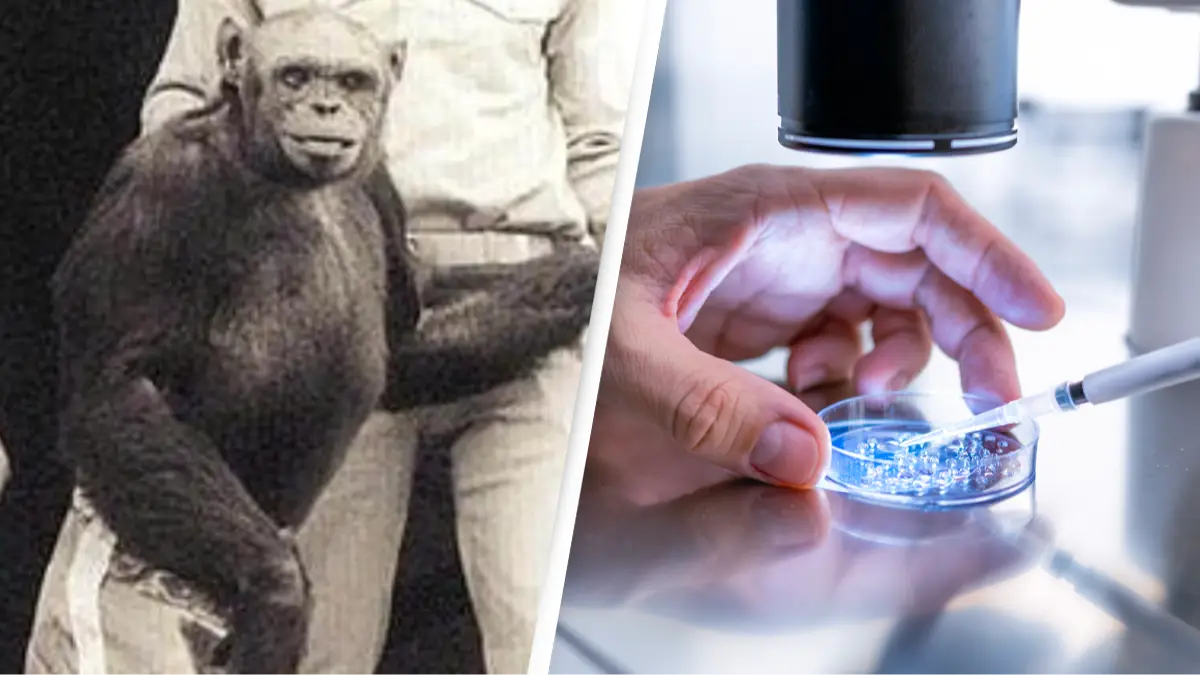
The world’s first ‘humanzee’ was a success after being grown in a lab, before scientists euthanized it not long after.

It’s often thought that humans evolved from apes, but one group of scientists decided to take that and warp it - creating a hybrid species.

The first ‘humanzee’ was grown in a research centre in the 1920’s, but was allegedly euthanised shortly after surrounding ethical concerns.

Queue everyone wondering why they couldn’t have thought about that any sooner.

Advert
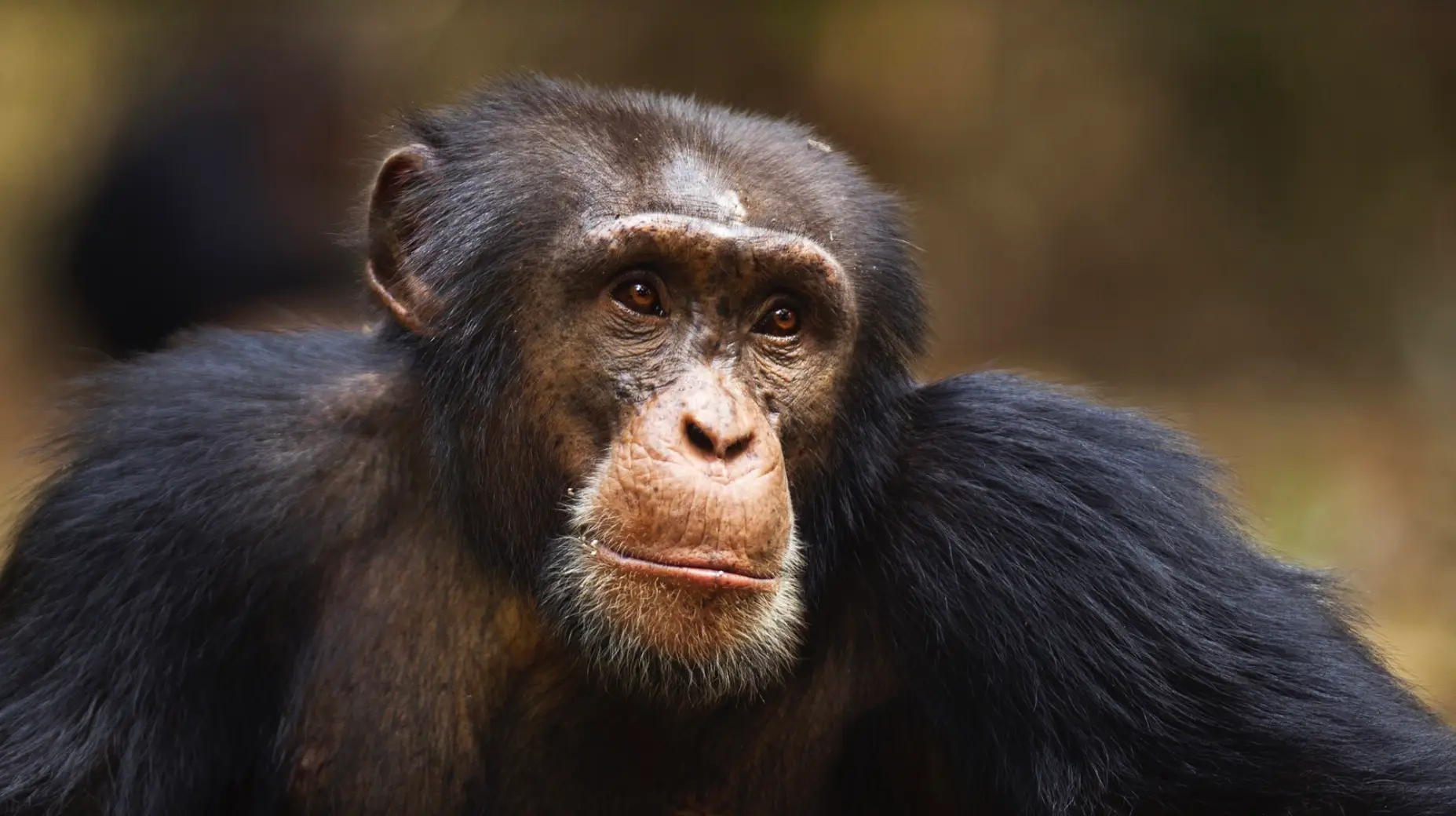
“They began to consider the moral and ethical considerations.” (Getty stock image)

According to renowned evolutionary psychologist Gordon Gallup, the incident happened at a lab where he used to work.

The so-called 'Humanzee' was created in Florida, with scientists panicking after the experiment was a success.

At this point, you may quite reasonably ask, 'Why would anyone attempt such a thing?'

However, scientists claim that it could have massive ramifications with regards to growing human organs for transplants inside monkeys in the future.

Not too long ago, a Spanish scientist claimed that he has successfully grown the world's first human/monkey hybrid in a laboratory in China.

According to Juan Carlos Izpisúa Belmonte, the hybrid embryo was viable and could have been born had the process not been aborted.

However, according to Gallup, the practice of splicing together humans with our primate relations isn't exactly new - as the process was attempted during the 20th century.

Decades after the incident, Gallup told The Sun: “One of the most interesting cases involved an attempt which was made back in the 1920s in what was the first primate research centre established in the US in Orange Park, Florida.

"They inseminated a female chimpanzee with human semen from an undisclosed donor and claimed not only that pregnancy occurred but the pregnancy went full term and resulted in a live birth.
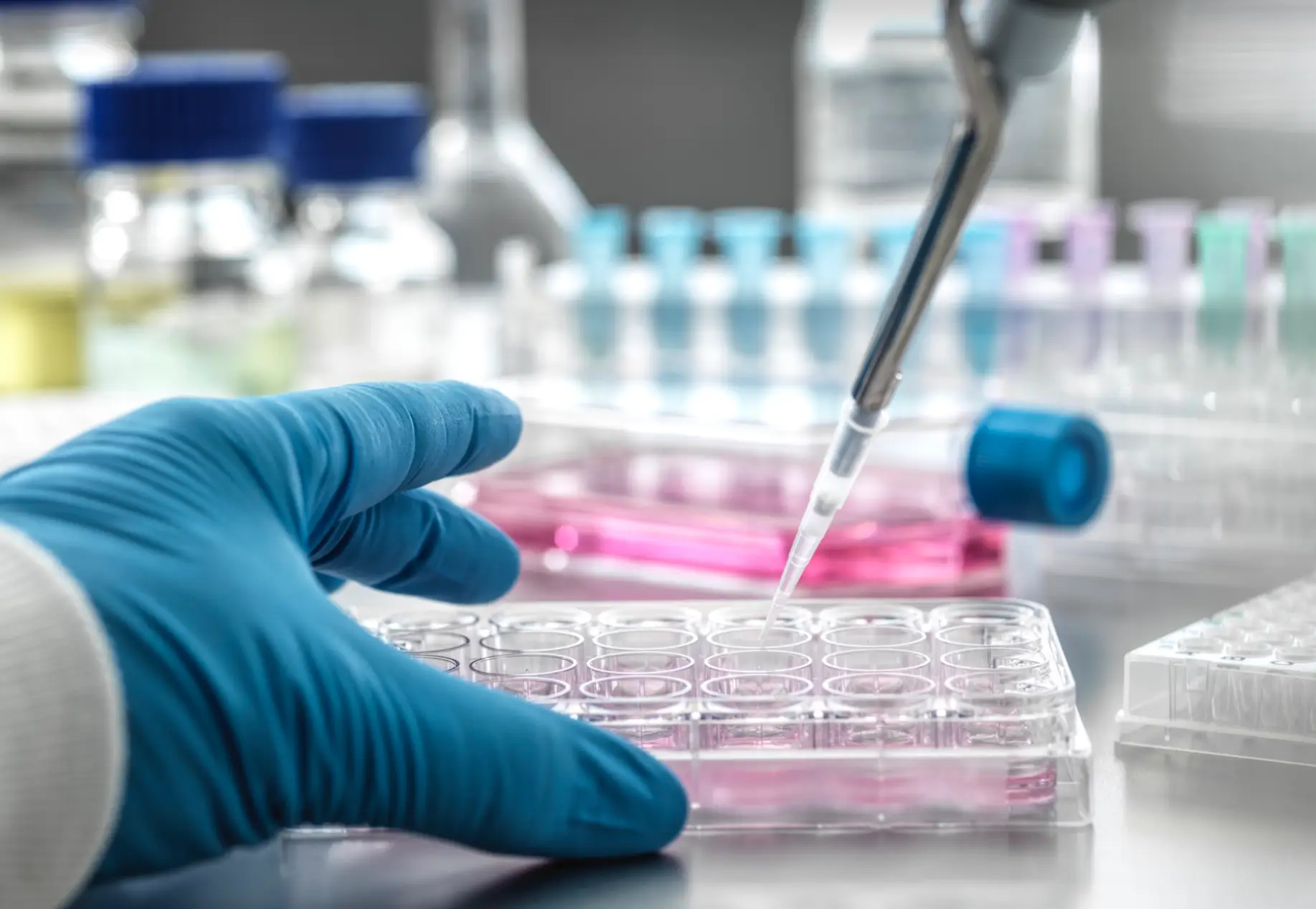
"They inseminated a female chimpanzee.” (Getty stock image)

"But in the matter of days, or a few weeks, they began to consider the moral and ethical considerations and the infant was euthanized.”

For those of you who failed GCSE science, it means that scientists impregnated a monkey with human sperm. (Yes, really!)

Not only that, but a hybrid child was born and then killed by aforementioned scientists - who were terrified by what they'd done.

Gallup says that the professor who told him worked at the centre until it moved to another university in Atlanta, Georgia in 1930.

Gordon Gallup is known for developing the 'self-recognition' technique that proved that primates can identify themselves in the mirror and are therefore self-aware.

Whilst this sounds bananas, scientists are still using monkey embryos in labs to study how organs are grown in labs.

Some have even managed to grow old embryos outside of the womb for up 25 days.

Sounds like some scientists up to some monkey business, eh?

  • 'Humanzee' was grown in a lab before scientists euthanized it after realizing the consequences
  • Scientists discover the male 'G-spot' and it's not where they thought it was
  • Shocking moment nuclear chemist 'ate uranium' to prove it was harmless
  • Truth behind 5,000-year-old Stonehenge mystery as scientists reveal how it was actually built

Choose your content:

an hour ago
2 hours ago
  • Benjamin Girette/Bloomberg via Getty Images
    an hour ago

    Fourth toddler dies in hot car during France's brutal heatwave

    Hundreds of people have died across Europe as a result of the record-breaking heatwave, including children

    News
  • Getty stock image
    an hour ago

    Expert reveals the surprising clues your farts could be giving you about your health

    Foul smelling farts could signal inflammation and a 'leaky gut'

    News
  • Jesse Grant/Getty Images for Disney
    an hour ago

    Tom Hanks’ brother Jim reveals the surprising role he played in Toy Story for decades

    Jim Hanks had a surprising role in the iconic Pixar movie

    Film & TV
  • Jean Catuffe/Getty Images
    2 hours ago

    England player's World Cup journey could be 'over' as shock injury is 'worse than initially thought'

    One of the England squad will have to miss some matches following an injury

    News