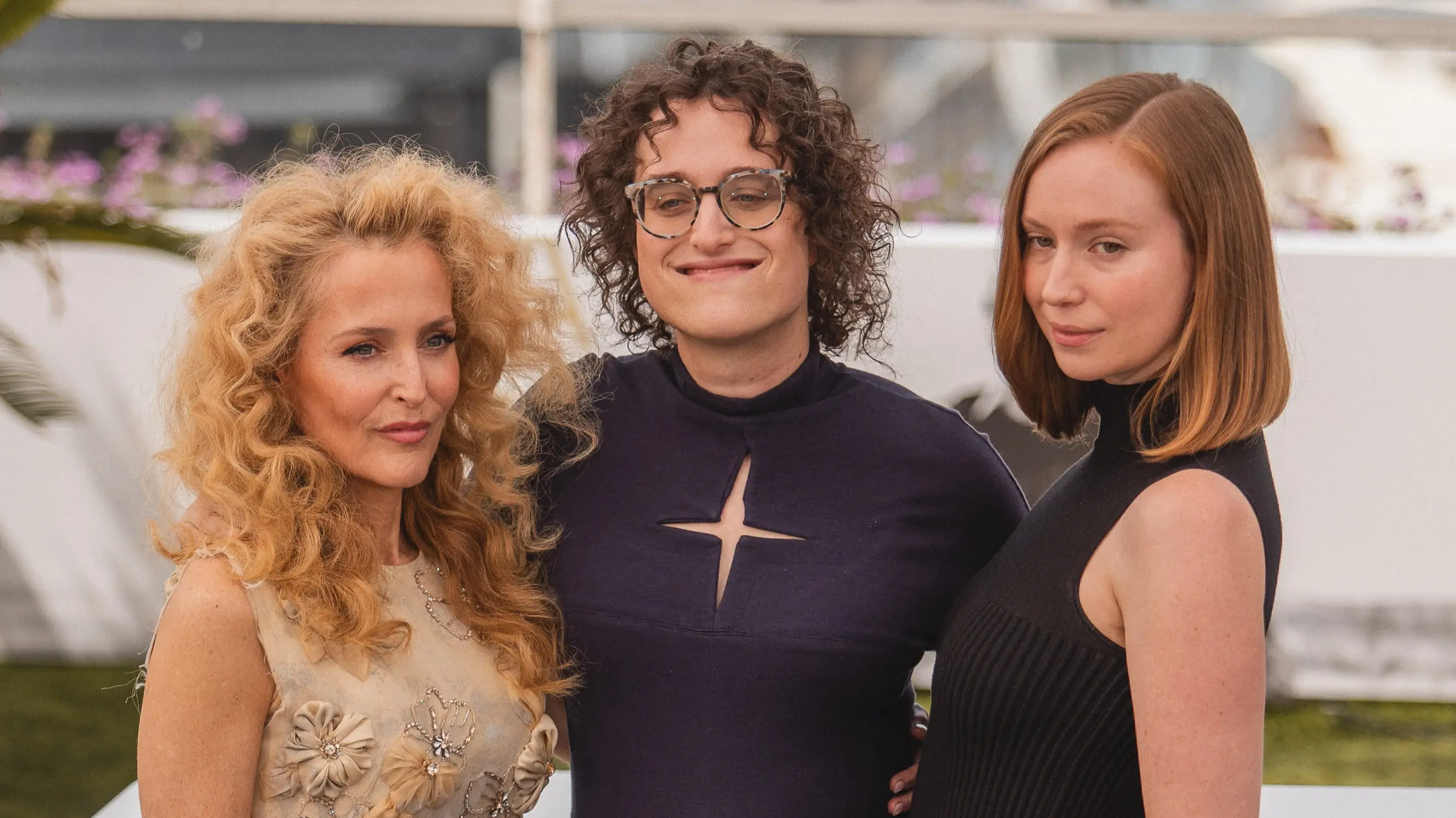
Queer slasher flick ‘Teenage Sex and Death at Camp Miasma’ gets six-minute standing ovation at Cannes

With the Cannes Film Festival officially underway for 2026, one surprising hit is already making waves among the film industry, having earned itself a six minute standing ovation on its opening debut.
Jane Schoenbrun’s newest film, Teenage Sex And Death At Camp Miasma, quickly won over crowds at its world premiere on Wednesday evening, when it formally kicked off this year’s Un Certain Regard selection.
Starring Gillian Anderson and Hannah Einbinder, the film follows what happens when the infamous Camp Miasma slasher franchise is set to be rebooted again. The film’s latest director (played by Einbinder) becomes dangerously obsessed with the franchise’s famous original ‘final girl’ (brought to life by Anderson) sparking a whole new kind of slasher flick that oozes sapphic tension and leads to a frenzy of psychosexual mania.
Following its successful debut, fans were immediately captivated by the laugh-out loud nature of some of its over-the-top slasher sequences, which saw the cast drenched in blood as it turned the genre on its head with a new take on the quintessential horror movie.
Advert
However, not even lead actress Einbinder was prepared for the six minute standing ovation, as she cheekily asked: “OK, what should we do now?” when the applause finally began to die down.
Before the screening got underway, transgender filmmaker Schoenbrun, opened the screening with a quote from rapper Drake.
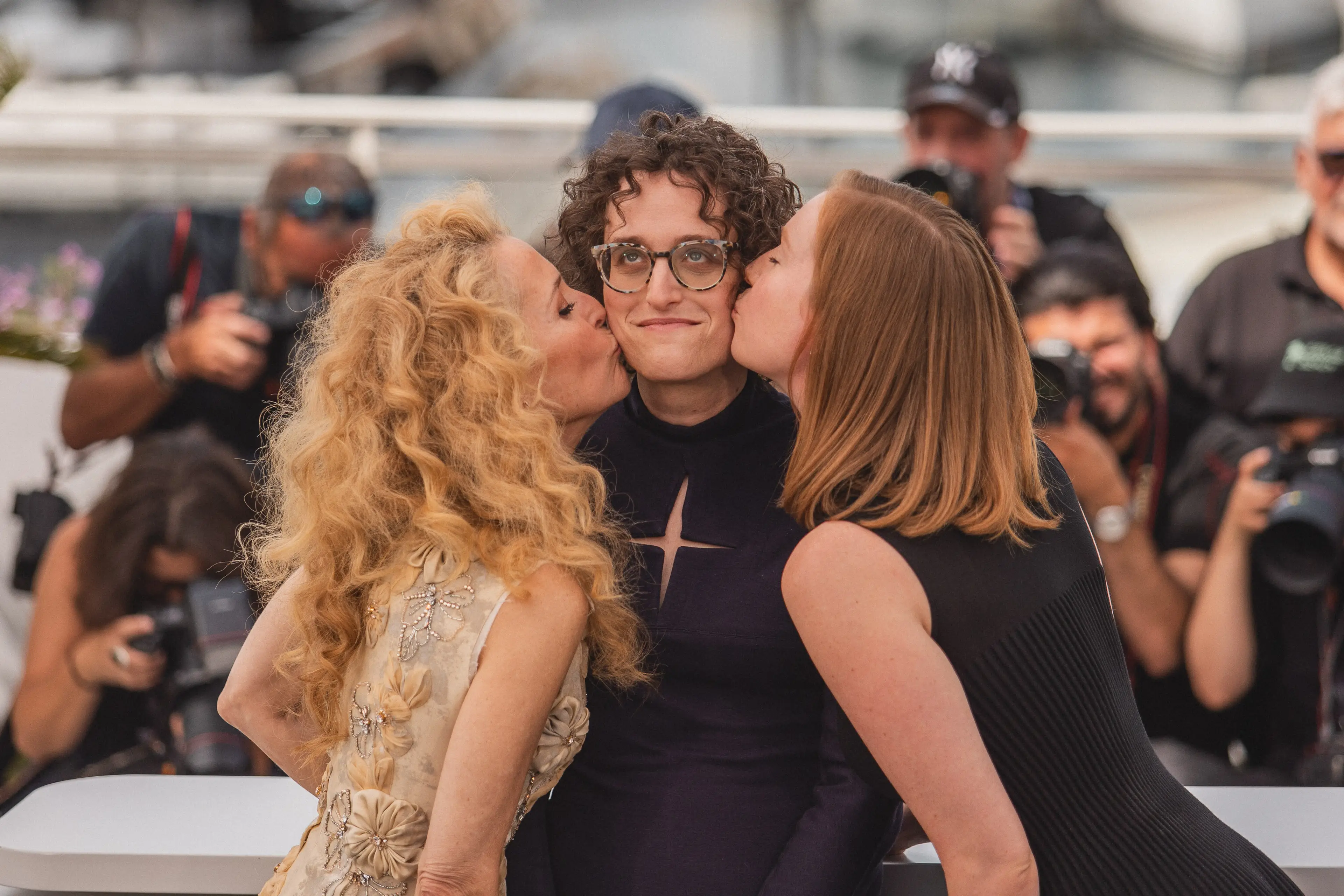
“There’s this song by Drake called ‘Started From the Bottom,’ and it goes, ‘Started from the bottom, now we’re here,'” they said. “It’s unbelievable, I can’t believe we’re standing up here, I can’t believe I’m standing up here in a room full of people who are here to watch our movie.”
Einbinder then weighed in on the movie’s creative team as she added: “I’m grateful to all these people up here and all of our collaborators here in this room. There are so many other incredible collaborators who really poured their heart and soul into this film. I hope everyone feels ready to laugh, ready to have fun, join in on a communal experience and kind of be one tonight with each other. I’ll see you on the other side.”
Anderson, star of The X-Files and Sex Education, also managed to get in a few welcome words, as she kicked off the proceedings with a small joke about her long running career. “This is my first time in Cannes with a film, after a few 100 years of being in the industry, and I’m so honored to be here with this particular film.”
She continued: “I’m so proud of it, and I’m proud of what [Schoenbrun has] created with all of the extraordinary team. And yeah, it’s an incredibly special moment, so thank you for inviting me to the party.”
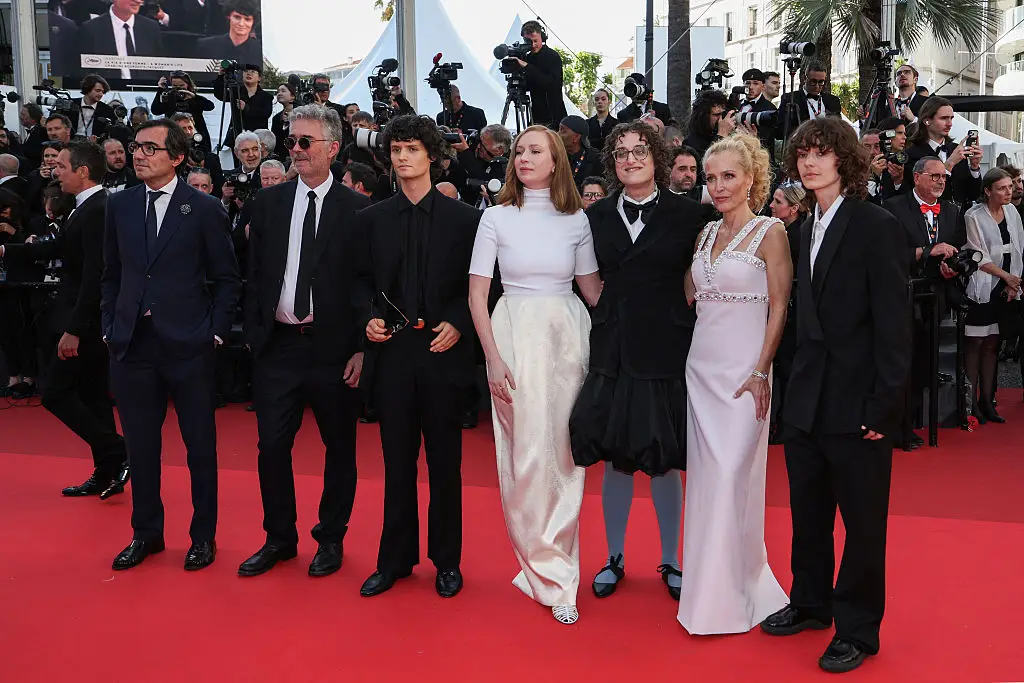
Camp Miasma, is the latest film to come from Schoenbrun, who has previously received critical acclaim for their films We’re All Going to the World’s Fair and I Saw the TV Glow - and was designed to offer a unique take on the traditional horror and slasher flick genre.
“This movie was very consciously designed to be fun … and to bring in a lot of people to have a discussion about sex and gender and overcoming trauma,” Schoenbrun told The Hollywood Reporter ahead of the festival.
“I don’t know any other movies — certainly any other Hollywood movies — that are having that conversation this way, from this perspective.”
Taking inspiration from earlier horror properties and their own lived experience as a transgender person, they added: “This image of the trans monster kept coming up, whether that be Norman Bates or Buffalo Bill or Frankenstein as a constructed body, and there was this lineage of trans people having really complicated feelings about those movies.
Schoenbrun then added: “In one sense, those are the places where they saw representations that felt familiar or comforting in some way to their own experiences — but also, those movies are super f—ing transphobic and problematic.”
Topics: Cannes Film Festival, Film and TV, Gillian Anderson
 Phoebe Tonks