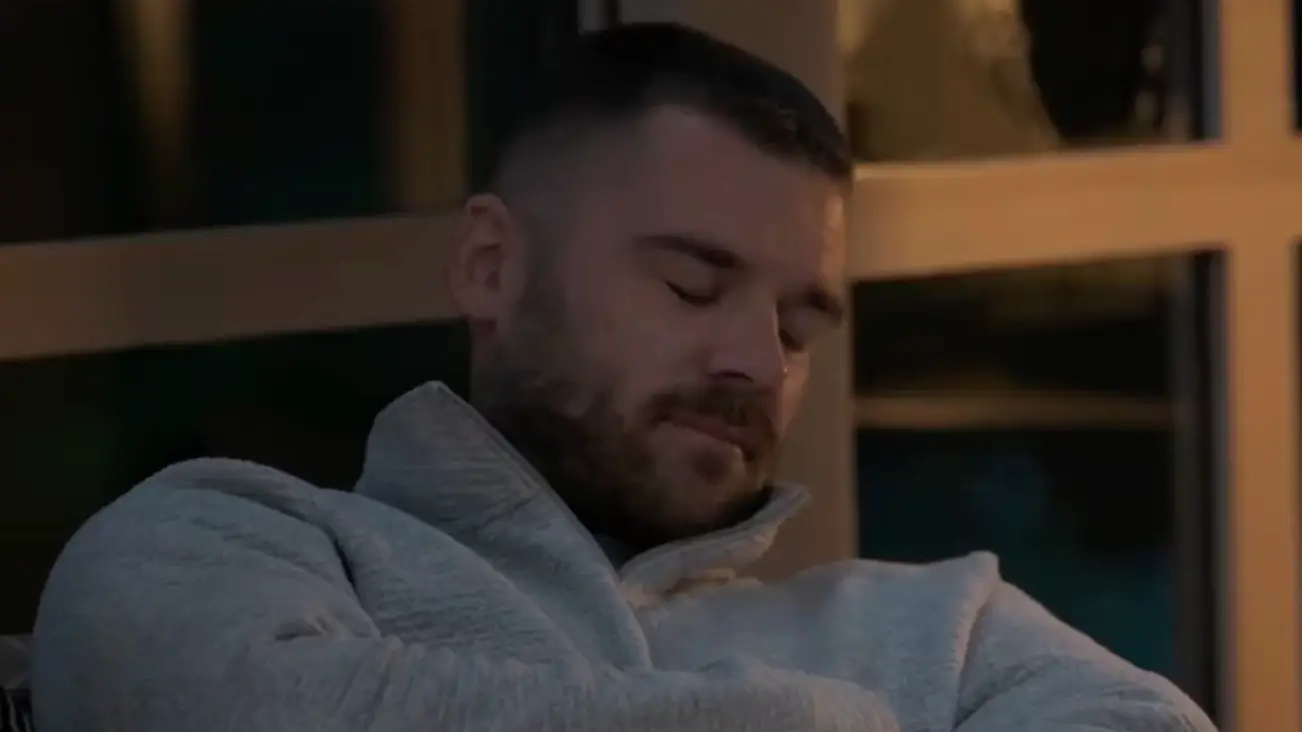
What happens if you go 48 hours with no sleep as Fear Factor contestants given shock collars to stay awake

A sleep expert has explained what happens to your body if you go 48 hours with no sleep as contestants in the new Fear Factor special are tasked with not only staying awake, but taking part in horrific challenges while doing so.
Hosted by Johnny Knoxville, Fear Factor: 48 Hours of Fear sees six contestants fight to stay awake as they compete over two days for the grand prize of $50,000.
As the challenges start to come to light, it raises the question: what exactly would you do to get your hands on $50,000?
If it's carry beetles in your mouth, deal with tarantulas and walk around in a shock collar, then this is the show for you.
Advert
Over the course of the 48 hours, the contestants are given the shock collars to keep themselves awake - meaning they'd have a tough time drifting off even if they wanted to.

Explaining what's in store for the Fear Factor contestants over their 48 hours of fear, sleep expert Sammy Margo told UNILAD exactly what can happen to your body if you go 48 hours without some good rest.
Speaking on behalf of Dreams, the expert first explained what happens after just one full day without sleep, saying: "After 24 hours without sleep, concentration, reaction times and decision-making can become impaired in a similar way to being under the influence of alcohol. You may also be more likely to experience irritability, heightened stress levels, stronger cravings and difficulty regulating emotions."
Things get even worse on day two - which is bad news for the Fear Factor six, as this is when they'll face everything from electrocution to a gross sushi contest.
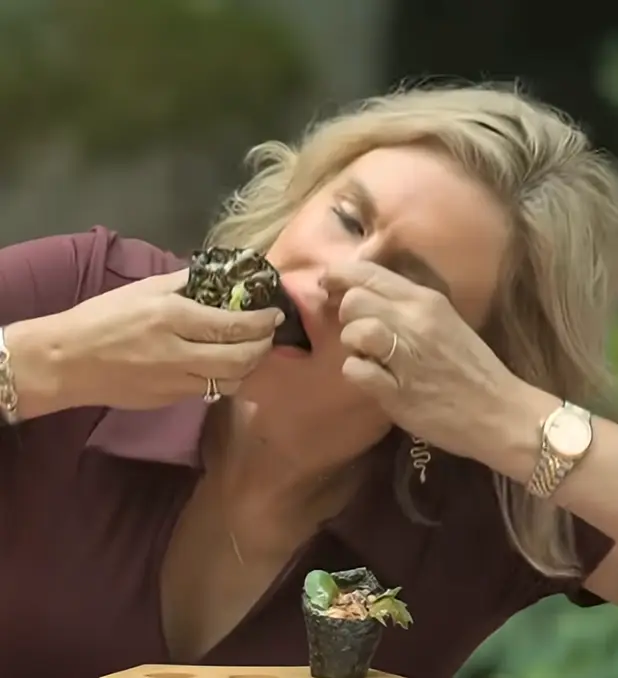
Margo said: "After 48 hours without sleep, the effects may become much more severe. Your body and brain may struggle to function properly, which can lead to memory lapses, confusion, increased anxiety and even hallucinations in some cases.
"Simple day-to-day tasks such as driving, working, exercising or holding conversations may suddenly become much harder because your brain is no longer able to properly process information and react as it normally would."
With the impacts of no sleep taking their toll, the contestants will certainly have their work cut out for them.
It's a lot to go through, but with $50,000 at stake, I admit I can understand the need to give it a go. I'll leave the tarantulas though, thanks.
Fear Factor: 48 Hours of Fear airs Thursday, May 14, at 9 p.m. ET/PT, with the second part premiering on Thursday, May 21, at 9 p.m. ET/PT.
The most controversial reality shows of all time
From severe sleep deprivation to humiliation and even accusations of torture, here are some of the most controversial reality TV shows that have ever aired.
Susunu! Denpa Shonen

Reminiscent of Black Mirror's toe-curling White Bear episode, Japanese gameshow Susunu! Denpa Shonen (translated as 'Do Not Proceed! Crazy Youth') starred comedian Tomoaki Hamatsu, also known as Nasubi, who was kidnapped, stripped naked, and confined to a small apartment with just a bathroom and a foodless kitchen.
Airing from 1998 to 2002 on the Nippon TV network, the idea of the show was to test how long he could last in such awful conditions, but it would later go down in history as one of the most 'evil' reality shows of all time, likened to a real-life version of The Truman Show.
All Hamatsu was given was a load of magazines with sweepstakes in them, which he was challenged to use to raise ¥1 million (approximately $6,500) to win food for himself to survive on. But horrifyingly, the 'food' he won was sometimes actually dog food and dried rice.
Conditions were so horrible that he once had to go 10 months before 'winning' toilet paper, all the while as many as 15 million viewers watched on as he struggled each week to raise enough funds to eat.
Hamatsu had no idea he was being live-streamed the entire time, with graphics and sound effects mocking him throughout his staggering year-long stint on the show. A documentary called The Contestant was eventually released on Hulu in 2023, delving further into the horrors of what Hamatsu endured during his time on the show.
Shattered
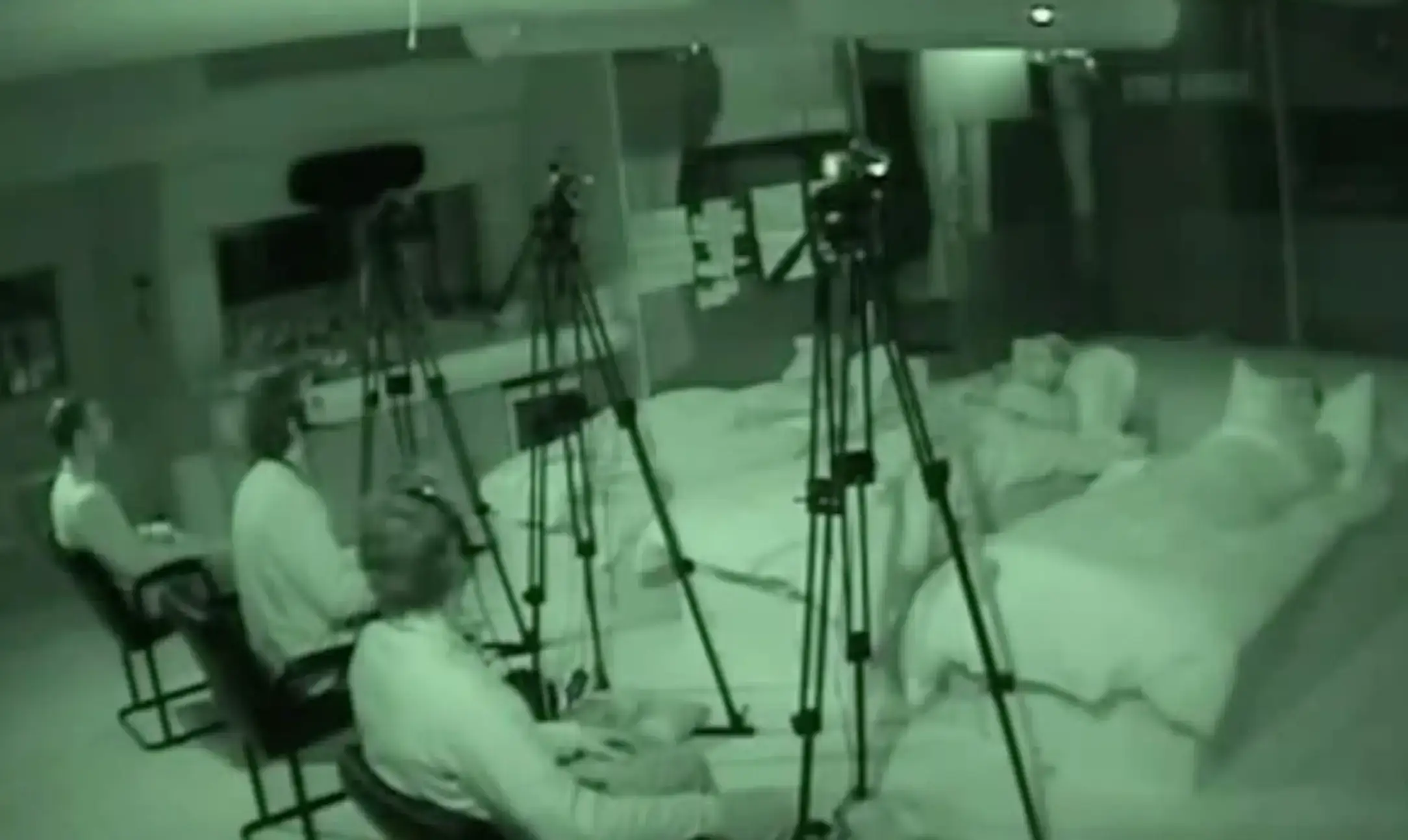
The premise for the 2004 Channel 4 reality show was simple - 10 contestants had to stay awake for a week straight to be in with the chance of bagging a whopping £100k cash prize. But of course, there was a catch.
Contestants would have to keep each other awake to avoid deductions from the prize fund. In fact, if anyone closed their eyes for over ten seconds, £1,000 would be shaved off the prize pot.
The group underwent brutal 'You Snooze You Lose' tasks, which were designed to put contestants to sleep by being forced to cuddle soft toys, sit in a warm room, and even watch paint dry in a recliner chair.
It's worth pointing out that to ensure the safety of the contestants, they were allowed to sleep for just one hour per day, but that didn't stop complaints coming in from viewers at the time, while health experts raised their eyebrows at the social experiment
Although 34 complaints were made to Ofcom, they reportedly said none of its programme guidelines were breached. Meanwhile, the British Association for Counselling and Psychotherapy branded the show as 'misconceived and dangerous'.
There’s something about Miriam

There's something about Miriam has gone down in television history as having one of the most unethical and cruel 'gotcha' moments.
Airing on Sky1 in 2004, the reality show followed six men fighting for the love of Brazilian model Miriam Rivera by competing in physical events, with the winner bagging a luxury yacht trip and a cash prize of £10,000.
But what producers didn't tell contestants was that Miriam was transgender, cruelly making her announce it to the group in the final episode of the series.
The heartbreaking scene saw Miriam bravely address the group of men after she had picked contestant Tom Rooke, who was then 23, as her winner. She told the group: "I tried to be honest with all of you as much as I can. Yes, I'm from Mexico, I'm a model and I'm 21.
"But, Tom, I really love spending time with you. I love men and I love being a woman. But I'm not a woman, I was born as a man."
Horrifyingly, the men began to laugh as Miriam opened up to them about her gender identity. Meanwhile, Tom told the cameras that he was 'very shocked' that he had been 'deceived' by Miriam, before going on to use male pronouns when referring to her from thereon out, as he slammed her for 'lying to everybody'.
Pals of the model claimed her speech was 'scripted' by producers of the dating show, who they allege completely misjudged the situation and allowed Miriam to be mocked for the sake of viewing figures.
After the dating show wrapped up filming, Tom launched a legal battle with his fellow contestants, alleging conspiracy to commit sexual assault, defamation, breach of contract, and personal injury in the form of psychological and emotional damage, and ultimately settled for an undisclosed amount.
The series aired the following year, and Miriam withdrew from the spotlight. In 2019, she was tragically found dead in her mother's apartment in an apparent suicide at just 38 years old.
Sperm race
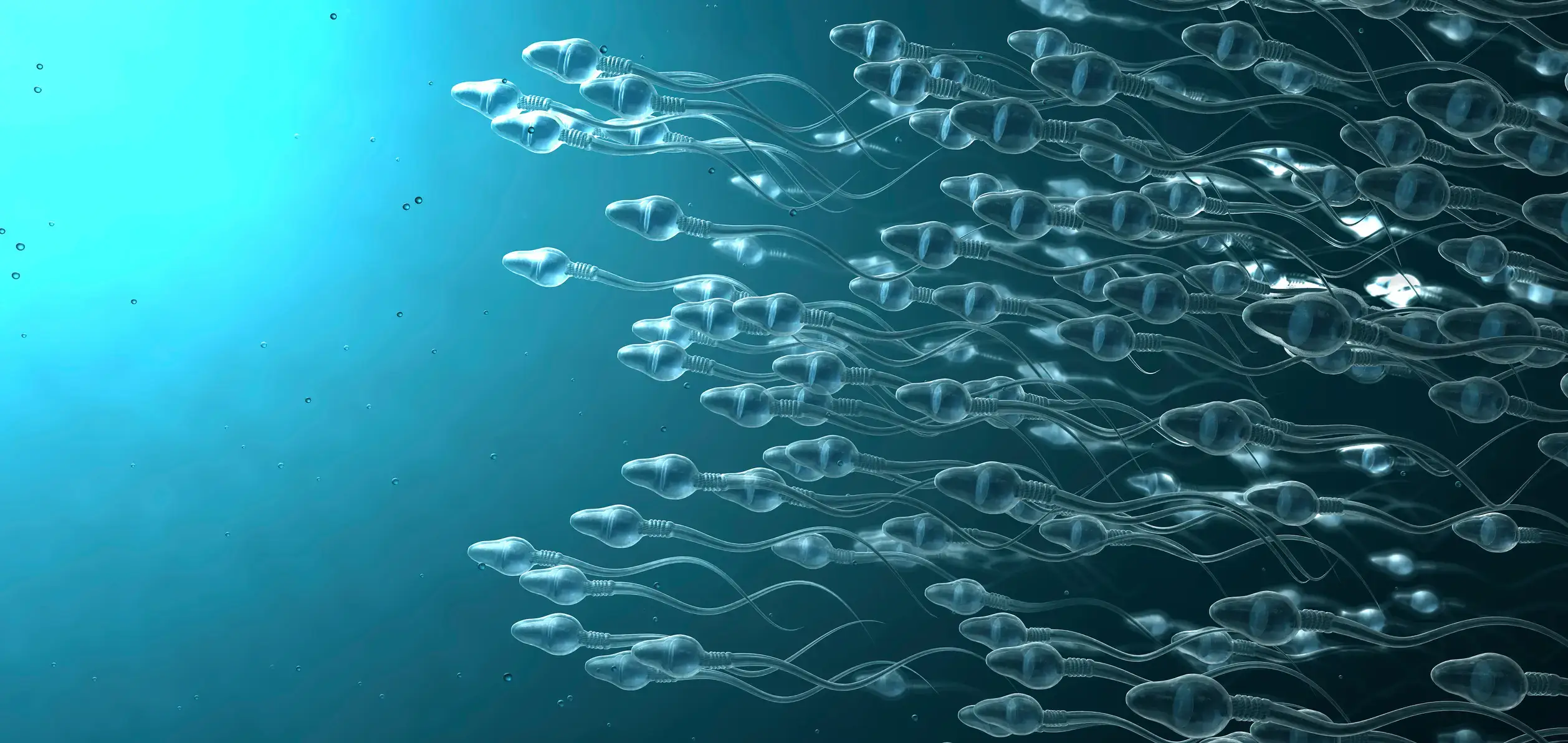
Grappling with falling birth rates and fertility levels in Germany, TV producers decided a good approach to help solve this issue would be to create a reality show where a group of men compete against each other over the speed of their sperm.
Airing in 2005, producers Endemol invited women whose partners were struggling with fertility problems to sign up to receive sperm donations from the participating men.
The idea was that the donors would take themselves off to their respective cubicles and, erm, do the deed to produce a sample, which would then be frozen and transferred to a studio in Cologne.
Under the watchful eyes of medics, the sperm samples were then filmed as they travelled to an egg using chemical incentives, as the men were keeping their fingers crossed that theirs would be the fastest of them all in order to get their hands on the main prize - a Porsche.
At the time, the show was pummelled with criticism as it was labelled a new low point of German television, but Endemol executive Boris Brandt defended the idea, warning that fertility was a very real, serious issue in the country.
"About 1.8million German men are unable to have children because they suffer from poor sperm. And there are disappointed girlfriends and wives, as well as parents who wait in vain for grandchildren," he added at the time, per The Guardian. "The programme isn't immoral. We're only testing, we're not conceiving.
"The main prize in the competition is a Porsche, not a baby. It's actually a very scientific programme and the topic of fertility is massive in Germany at the moment."
Solitary
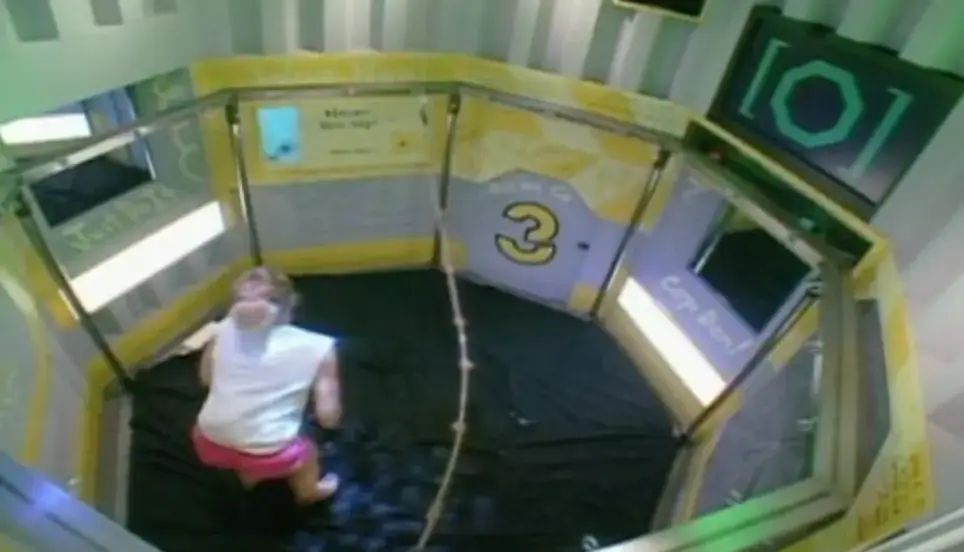
Airing from 2006 to 2010 on FOX, Solitary tested the limits of the mind as it placed contestants in a small, windowless box and put them through their paces in a series of tough conditions.
The goal was to remain the last man standing, with a cash prize of $50K up for grabs for the person who was able to stick it out.
Sat isolated in the small pod, contestants only had an artificial intelligence bot named Val to talk to, had no access to clocks or the outside world, and the environment was strictly controlled.
This meant everything, including temperature, light, access to toilets and even food, all while they were each referred to simply as their number instead of their name, stripping them of their outside world identity.
The room itself was a pretty strange, octagonal shape, which disoriented those in there as they underwent physical endurance tasks and mental challenges handed to them by 'Val'.
These would often take several hours to complete at a time and included the likes of sleeping on a bed of rods and being subjected to a piercing barrage of loud noises designed to break down their sanity.
Topics: Johnny Knoxville, Health, Sleep
 Emily Brown