
Man living in US city where sun disappears for 67 days a year explains why he’d never move away

A man who has spent his entire life in a US city where the sun disappears for more than two months each year has explained why he'll never leave.
Eben W. Hopson, 25, is a lifelong resident of Utqiagvik, Alaska, the northern-most city in the US, where winter temperatures can plunge to minus 60F and the sun doesn't rise for around 67 days a year.
The phenomenon, known as polar night, typically lasts from mid-November to mid-January. In contrast, summer brings the midnight sun, with daylight stretching on for up to 84 consecutive days.
Eben, who works in media for the Ukpeaġvik Iñupiat Corporation and is also a freelance photographer and videographer, documents daily life, culture and the extreme Arctic conditions that outsiders often struggle to imagine via his Instagram.
Advert
He says he wouldn’t trade his life in Utqiagvik for anything.
“I was born and raised here,” he tells UNILAD. “I don’t ever see myself living somewhere else. This is home. This is where I want to raise my kids and my grandkids.”
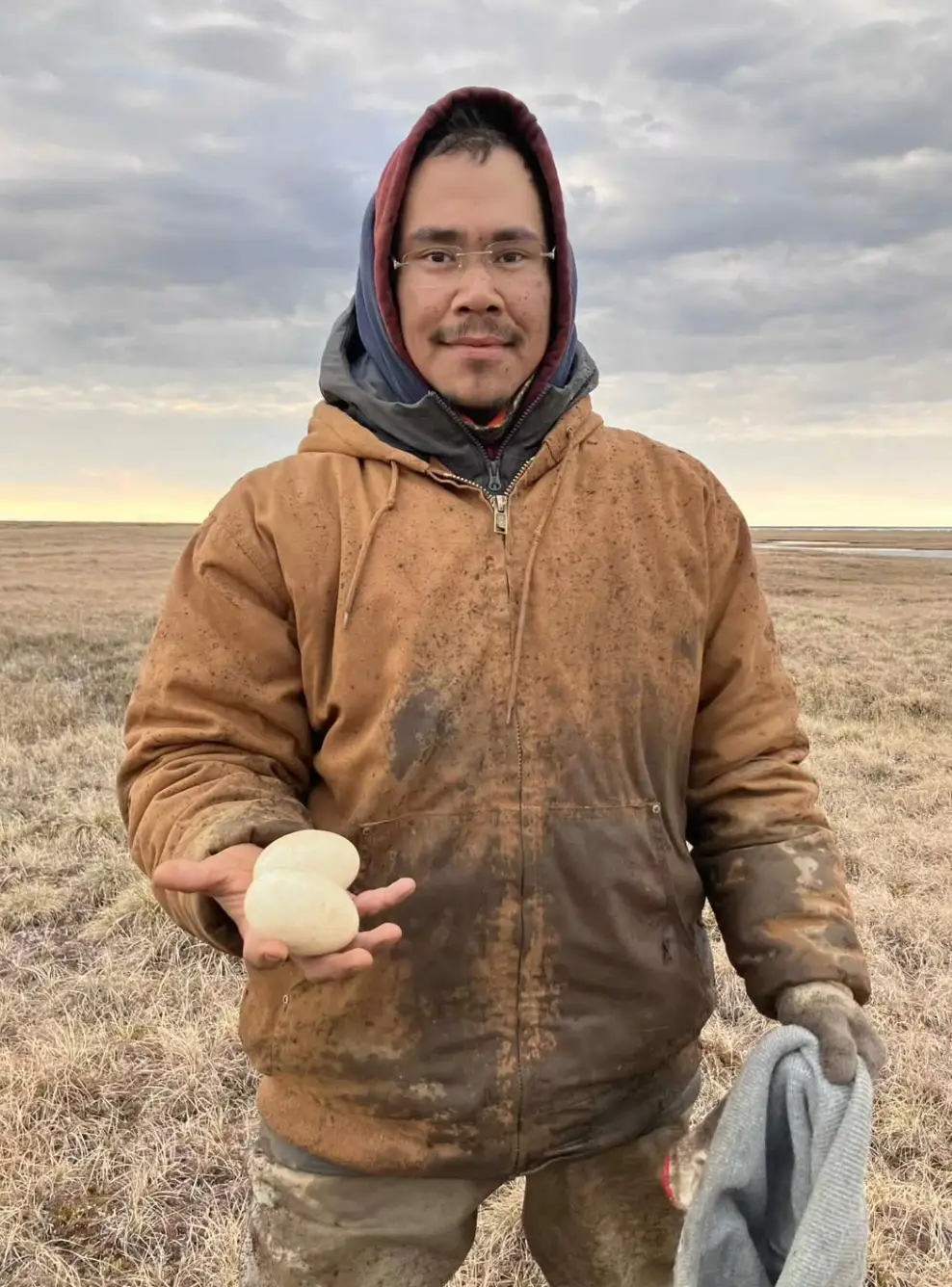
Although he’s traveled widely - visiting California, Georgia, Virginia and Hawaii, as well as Iceland, Norway, Finland, Greenland and Germany - Eben says being away never quite feels right.
"There’s something that feels off," he explains. “We don’t have concrete roads or big buildings here. It’s a small-town life, but it’s me. It’s worth it; not just because it’s home, but because it’s who I am as an Iñupiaq person."
The Iñupiat are an Indigenous Inuit people of northern Alaska, who have lived in the Arctic for thousands of years, relying on hunting, fishing and deep knowledge of the land to survive extreme conditions.
‘It’s not fully pitch black’
Eben goes on to dispel some major misconceptions about life in the Arctic Circle.
One of the biggest myths about living so far north, Eben says, is that polar night means total darkness all day, every day.
But that's not actually the case. “It’s not fully pitch black,” he explains.
“If you’re above 67.5 degrees on the Earth’s axis, when it tilts one way, there’s no sunlight," Eben explains of the town's location.
And while the sun doesn’t rise above the horizon for around two months, he says there is still some ambient light and twilight, albeit only for a few hours each day.
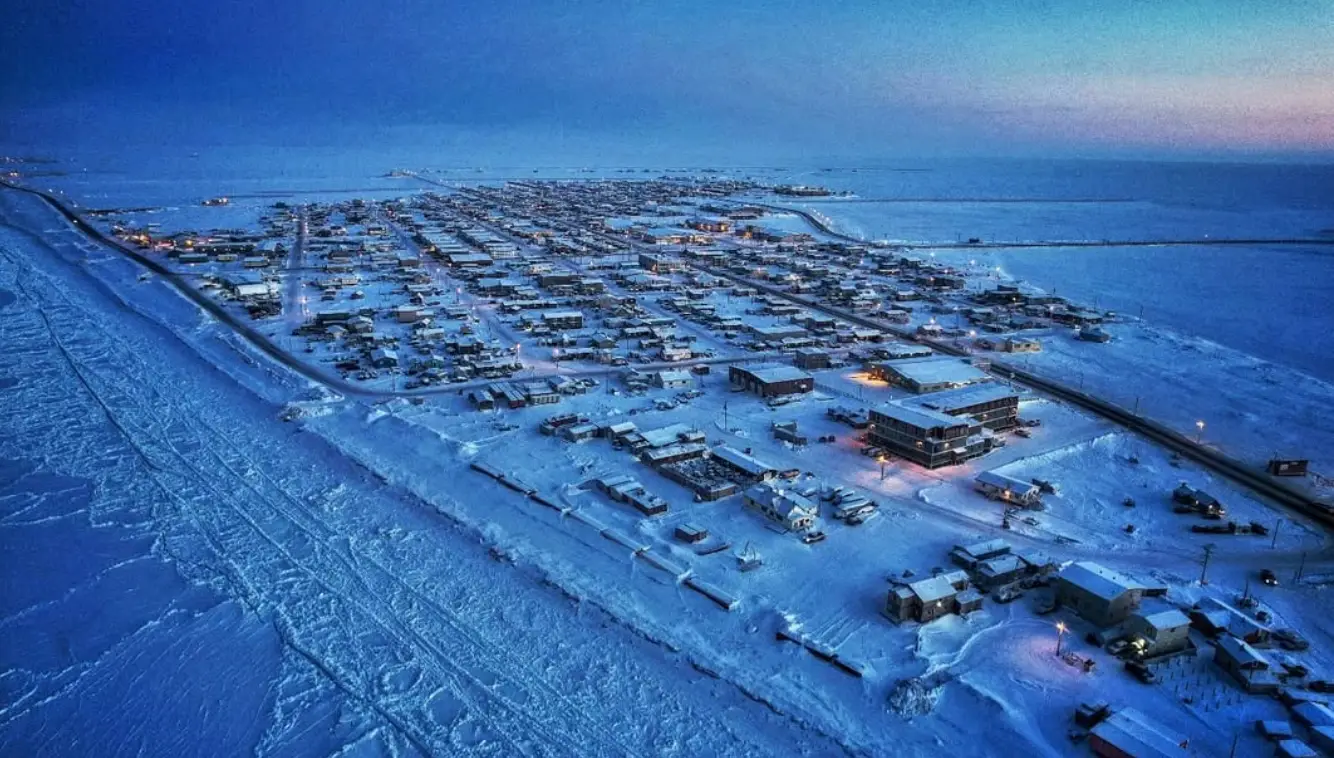
On how the darker, winter days impacts him, Eben admits: "Nothing really changes. We just keep moving forward and going on with our daily lives.”
He adds: “If you live here year-round and you’re engaged in cultural activities, it’s just work, sewing, hunting, fishing. You stay busy.”
Sleep and diet in the Arctic
And while you might think exposure to only a few hours of light each day messes up your sleep schedule, Eben delivers a dose of reality.
It's actually daylight savings time that interferes more than the extreme winter conditions.
Describing the centuries-old practice as 'dumb,' Eben says: "Nobody likes it up here. That's what gets everybody real tired."
Another assumption is that months without sunlight must be bad for your health - but Eben says traditional food makes all the difference.
“If you’re not from here and you go through this cycle for the first time, people are usually stocked up on vitamins,” he says. “But the traditional foods I eat year-round give me everything I need.”
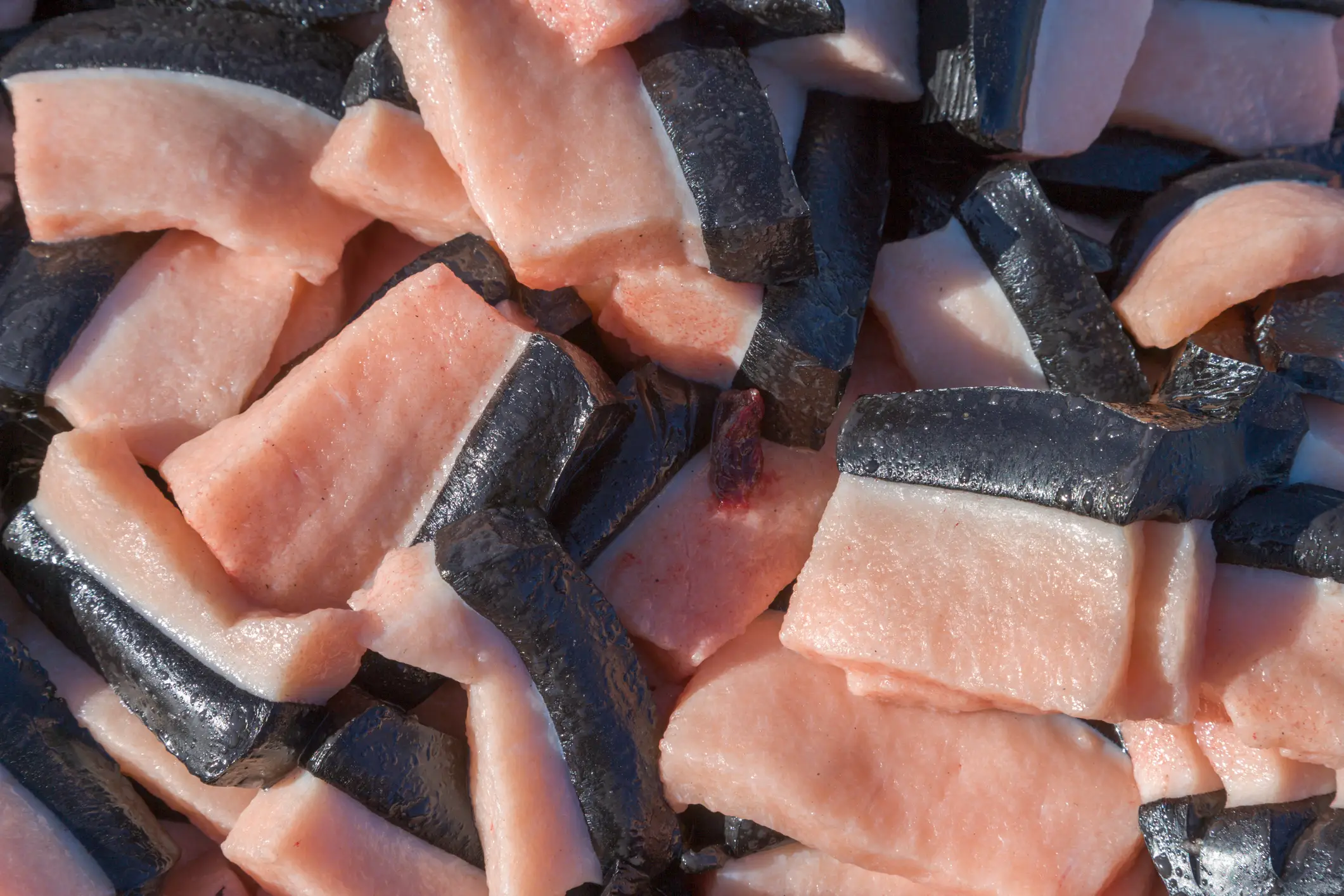
His diet includes dried caribou meat, fish, muktuk (whale skin and blubber), seal, walrus, beluga, ducks and geese, much of which he harvests himself and preserves throughout the year.
Although Eben, like many of us, starts his day with a cup of coffee.
“I might have dried caribou in the morning and that’ll keep me full till lunch,” he says. “I’ve got food from every season stored; dried fish from summer, muktuk from spring, caribou from winter.”
While the nearest supermarket is only a few blocks away, Eben says he lives 'in two worlds.'
“I eat Hot Pockets and pizza rolls too - those are my weaknesses,” he laughs. “But I digest traditional food way better."
He adds: “There’s a saying that Alaska Native people are some of the healthiest people in the world. We’ve lived off these foods for thousands of years. We know what works.”
Hunting at minus 60
Eben regularly hunts not just for himself, but for older relatives and members of the community who can no longer do it themselves.
“That’s part of our responsibility,” he says. “You hunt not just for yourself, but for your family and your community.”
Despite how extreme conditions can be, Eben says life continues as normal - even when hunting in dangerous temperatures.
“I’ve been hunting at minus 60 before,” he said. “I’ve been camping at minus 65 with wind.”
While he admits it can be dangerous, Eben says it’s worth it - and part of why he now documents his life through photography and video.
“It gets me out of the house and out of town,” he explains. “And it’s something to show people and tell my kids and grandkids about one day.”
Why he's staying
That family connection runs deep. Eben is named after his grandfather, a hugely influential figure who became the first mayor of Utqiagvik (then known as Barrow) in 1972 and later founded the Inuit Circumpolar Council, helping unite Inuit communities across Alaska, Canada and Greenland.
His grandfather’s legacy even made its way into pop culture - a character named Eben Oleson appears in the horror comic (and later movie) 30 Days of Night, inspired by Hopson’s name.
“There’s a lot of history that I’m proud of,” Eben says. “And I want to keep it going.”
For him, the long polar night, the cold and the remoteness are what makes his lifestyle so unique.
“This is home,” he resolves. “And I wouldn’t want it any other way.”
 Ellie Kemp