FBI warns iPhone and Android users to hang up the call if you hear this

iPhone and Android users, listen up... The FBI has warned users to immediately hang up if they have this particular type of call.
Our parents and grandparents would often just phone each other to communicate, as sending a text message was not exactly a thing back then.
Studies have found that Gen Z are not as comfortable to speak to people on the phone, especially if it's someone they do not know. Those who do take a phone call need to be wary of scams, however, as they are rife, especially at this time a year during the festive season.
And it seems fraudsters are become more intricate in how they are trying to steal your money, so the FBI has issued a warning as many will be opening brand new smartphones on Christmas Day.
Advert
A common scam these days sees fraudsters impersonate a technical support line, a bank, the US Customs and Border Protection (CBP) or even your local police force, and can be quite convincing as the scammers have been able to 'spoof' the caller ID number.
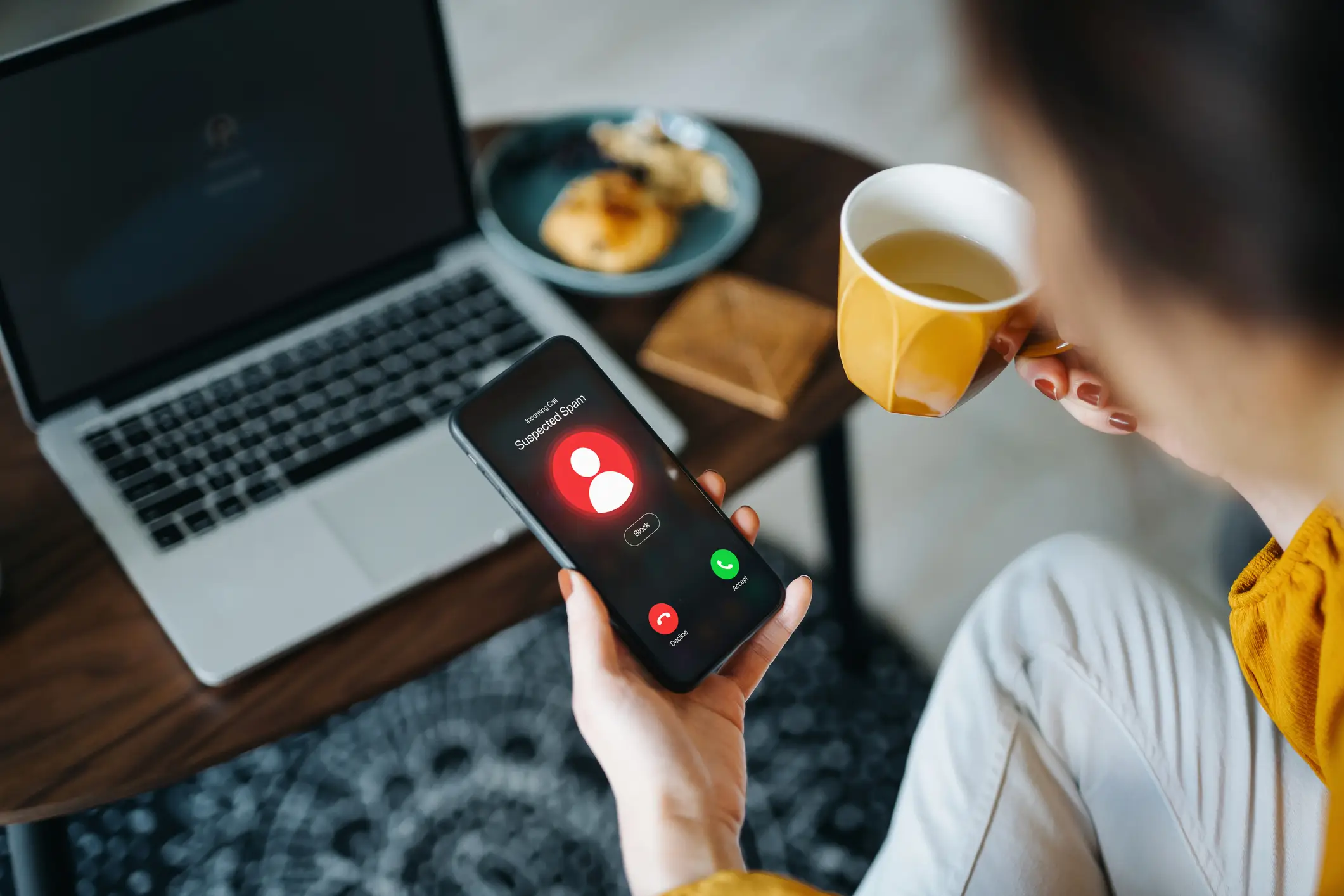
What happens next is that victims are tricked into moving money from their account or installing dangerous software on their device.
As is typical of such attacks, the con artist will make you think the matter is urgent, to give you less time to think.
And malware can be an absolute nightmare to get rid of - if you even know it's there.
Take, for instance, this cop's stark warning about QR codes. Just one simple scan of a seemingly innocuous code and a stranger has complete access to your phone. That's your credit card info, online banking details, pictures, phone numbers - the lot.
So, the FBI's advice is to hang up a call if you receive an unsolicited call where you haven't called them first, hang up the phone, even if it sounds or seems to be a trustworthy source.
The FBI says the chance of such a call being legitimate is so small that it's not worth taking the risk.
The scammers might contact you to say that your bank account is under attack or that you need to transfer funds to avoid being arrested by police.
Police departments from Virginia to New York have had such situations on their hands as officers received reports from victims that fraudsters have been posing as local law enforcement on the phone and coercing victims into sending money.
The force stated: "Scams have variations but generally the caller will identify themself as a law enforcement officer and tell the victim, falsely, that a warrant has been issued because they missed a court date, did not show up for jury duty, have an overdue fine or something similar, and they will be arrested unless they pay right away.”
Topics: News, Phones, Technology, iPhone
 Callum Jones