Unexplained mystery on the most remote island on Earth

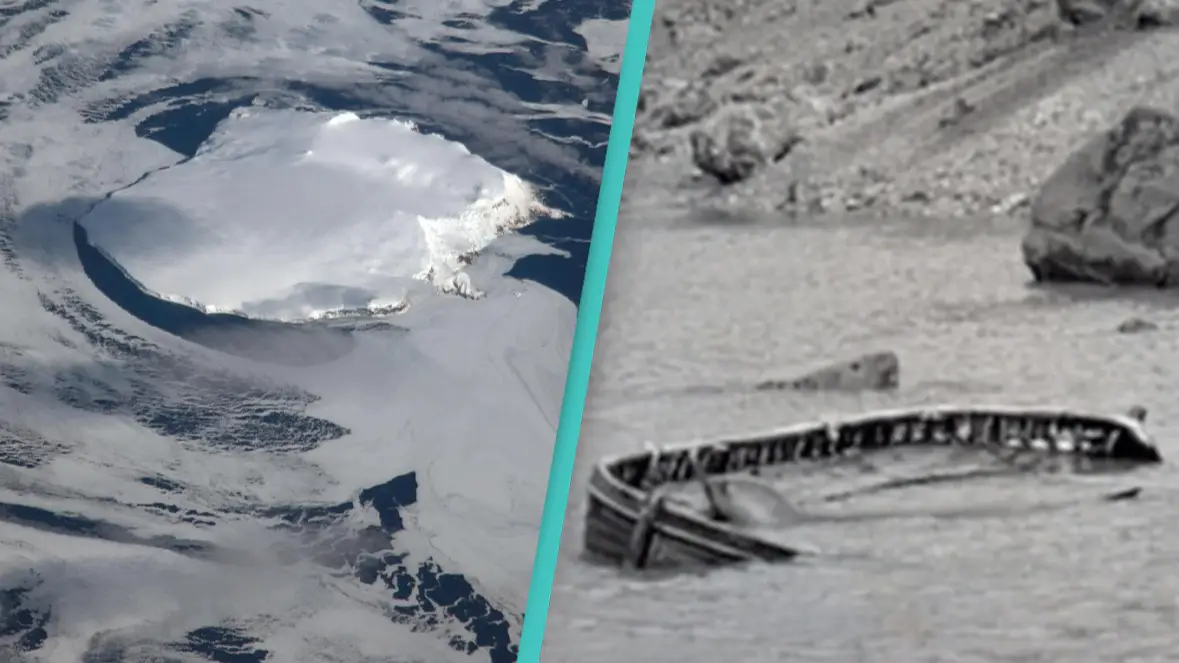
Way out in the middle of the Atlantic Ocean lies an uninhabited island more than 1,600 miles from civilisation. And yet, somehow, it's home to an old boat.
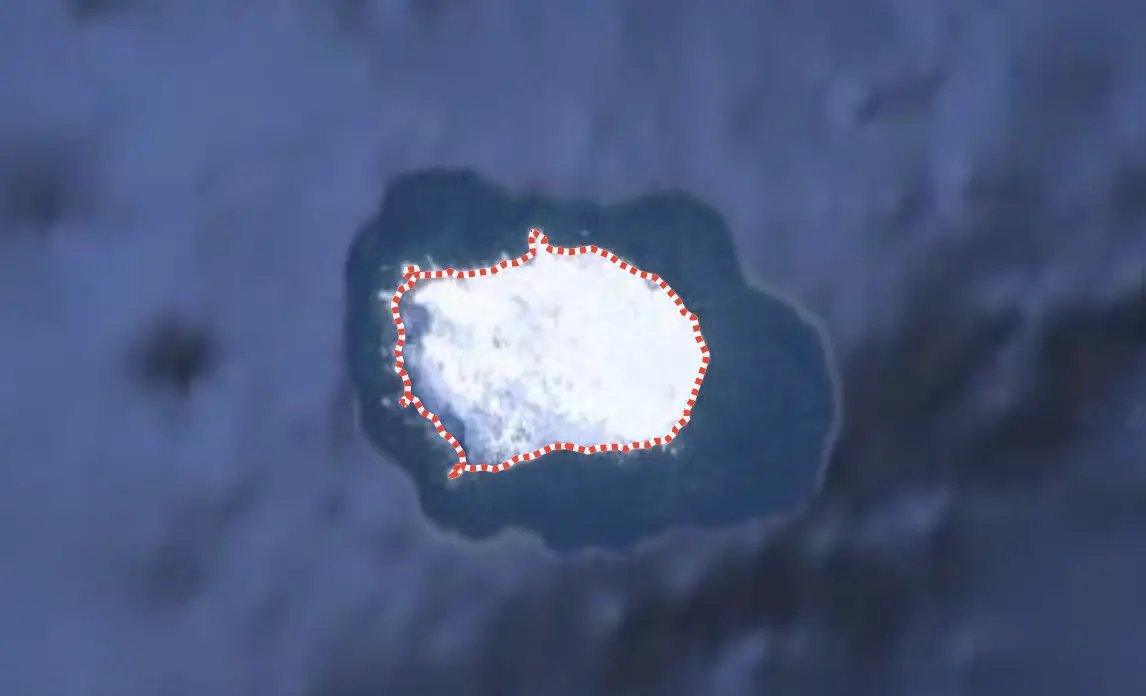
Bouvet Island sits in the middle of the sea between Argentina, South Africa and Antarctica at the southern end of the Mid-Atlantic Ridge, making it the world's most remote island. Learn more about the mysterious boat found on it below:
Advert
The island has been claimed by Norway, but is declared an uninhabited protected nature reserve and remains desolate and almost entirely covered in ice - not exactly the kind of place you'd aim for while sailing the ocean.
It was first discovered by French Commander Jean-Baptiste Charles Bouvet de Lozier in 1739, but inaccurate coordinates meant that it was lost again until British whaler James Lindsay found it in 1808.
With the island officially on the map, another trip was conducted in 1964 by researcher Allan Crawford and a team of scientists.
The group set out on the Royal Navy’s Antarctic ice vessel HMS Protector to investigate the volcanic island following lava flow 10 years earlier.
They used a helicopter to travel from their ship to land, but while there, Crawford discovered an abandoned lifeboat which had been moored up in a lagoon on the island.
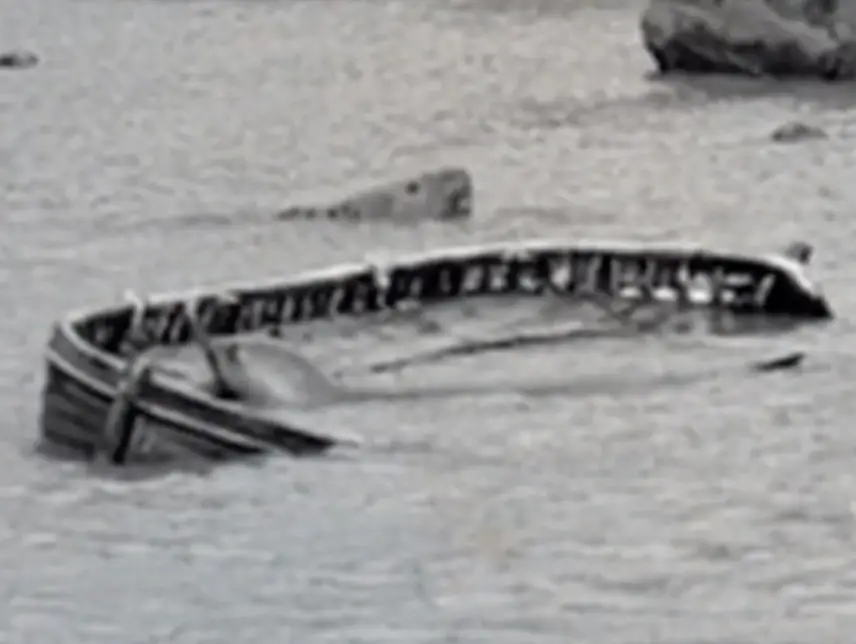
It's unclear how long the boat had been there, and there were no markings to offer clues about where it came from or who owned it.
There was no motor and no sails, though Crawford found oars on the shore along with a flattened copper tank and a barrel.
A resulting examination of the island found no trace of human life, despite the placement of the boat indicating that whoever was on board could have easily got onto Bouvet.
The mystery only deepened a couple of years later when another expedition to the island resulted in a survey with no mention of the lifeboat, indicating it had disappeared.
Removing the boat would have been a big task, and while it's possible it could have sunk, it's hard to say for sure without knowing how deep the lagoon is.
Decades on, the mere presence of the vessel remains a mystery, with no missing ships reported which could help explain the lifeboat.
However, one Reddit user who was determined to get to the bottom of things did offer up a possible explanation for the boat in a post shared online.
The user referenced page 129 of Transactions of the Oceanographical Institute (Moscow, 1960), and revealed that a scientific reconnaissance vessel named Slava-9 set out on a cruise with the 'Slava' Antarctic whaling fleet on 22 October 1958, just a few years before Crawford discovered the boat.
A group of sailors are said to have landed on Bouvet Island, but found themselves stuck there due to worsening weather conditions.
The book describes how the people stayed on the island for about three days before being withdrawn by helicopter, which could be why a boat was left behind.
However, it's likely we'll never know for sure if this is the true reason the boat found its way to the island.
Topics: Conspiracy Theories, TikTok
 Emily Brown