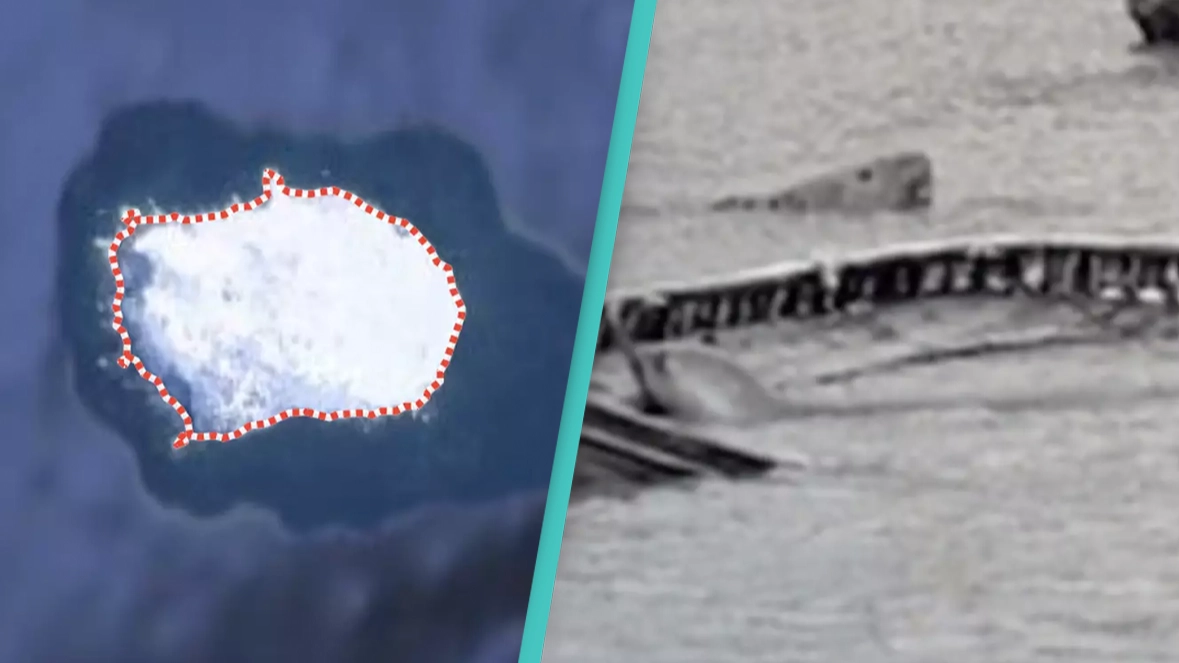
Unexplained mystery on the most remote island on Earth

One of the most remote islands in the world plays host to a mystery which remains unsolved.
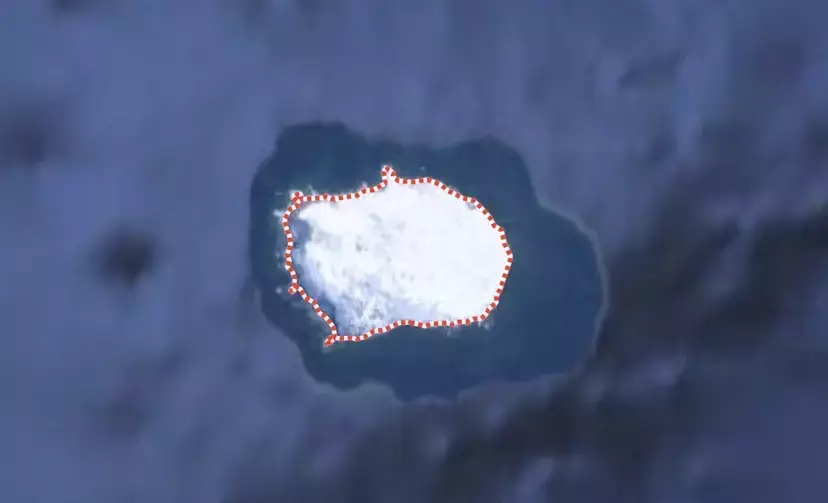
Bouvet Island is located in the Atlantic Ocean around 1,600 miles from the nearest permanent human habitation.
Advert
The spit of land sits right in the middle of the ocean between Antarctica, South Africa, and Argentina. While it is claimed by Norway, the island is uninhabited.
It's also a protected nature reserve and is largely covered in ice, hardly a tropical desert island.
French commander Jean-Baptiste Charles Bouvet de Lozier first found the island in 1739.
But inaccurate co-ordinates for the island meant that it was once again lost, until British whaler James Lindsay found it again nearly 70 years later in 1808.
The island might was now on the map in the right place, and it was observed in 1964 when researcher Allan Crawford and a team of scientists went to investigate.
At least, that's what it seems like.
The expedition set off by helicopter from the Royal Navy Antarctic ice vessel HMS Protector. While exploring the island they stumbled on a perplexing mystery.
This was a lifeboat which had been left in the waters very close to the island, and its origin remained an enigma.
The boat had no motor or indication about its origin, it had just been left there, begging the question of who on earth it had belonged to, and what was their fate.
No other traces of human activity were found on the island aside from the boat, which had seemingly just been abandoned.
Some possible explanations have been offered, though where it came from has not been confirmed for certain.
The lifeboat was later recovered from its spot by a subsequent expedition in 1978.
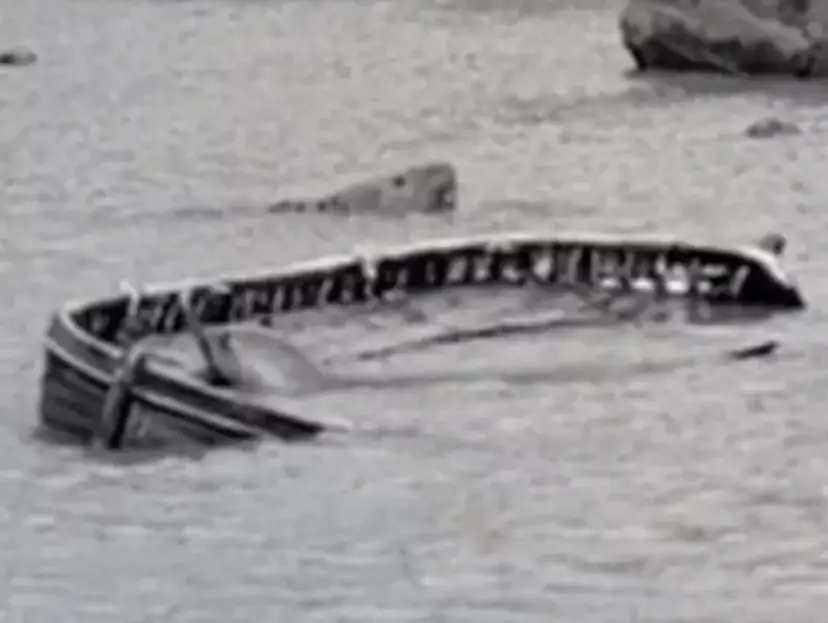
This conducted a number of scientific surveys on the island, and recovered the boat, not finding any further clues.
However, there is one theory about where the lifeboat may have originated which would also explain why there were no traces of people left behind as well.
Some believe it belonged to a Soviet scientific reconnaissance vessel called Slava-9. This had been cruising with the Slava antarctic whaling fleet in 1958, and had been at Bouvet Island.
A group of sailors landed on the island but were unable to leave due to worsening weather conditions. Eventually, they were withdrawn by helicopter.
It certainly seems like a viable candidate for where the boat would have come from, though we may never know for sure.
Topics: World News, Weird, Conspiracy Theories
 Kit Roberts