$400 sweater tricks facial-recognition cameras to protect your privacy

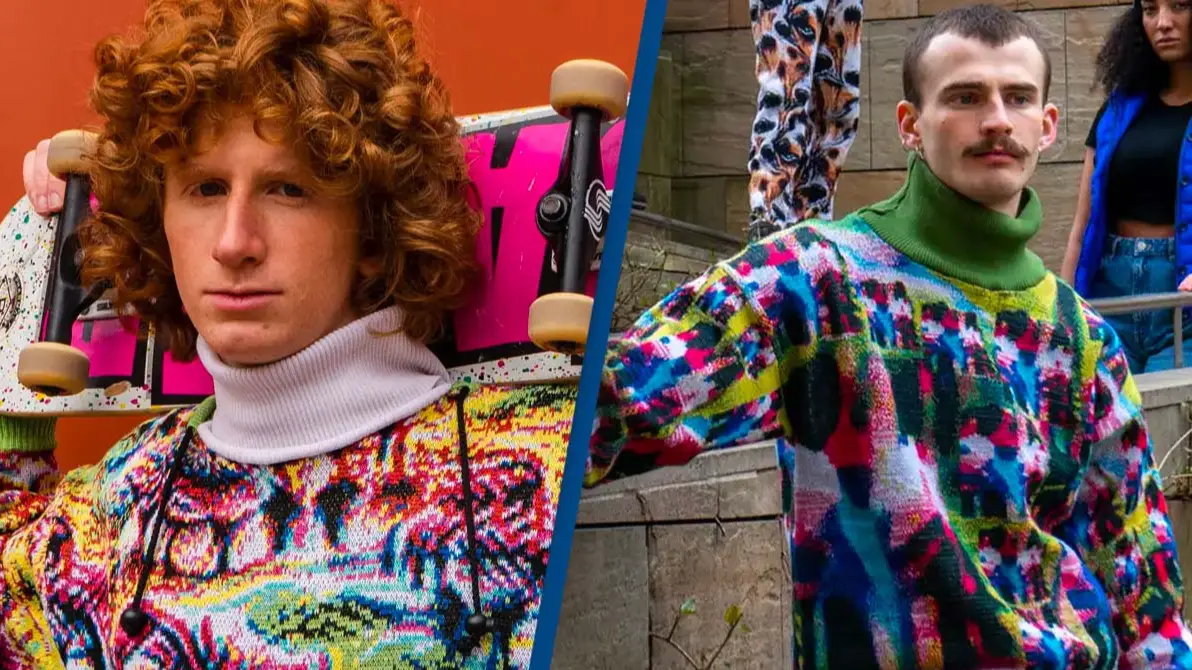
A sweater has been created to trick facial-recognition cameras in order to protect people's privacy.
The pricey piece of clothing currently retails for a hefty $420 (approximately £350).
It's taking the fusion of fashion and technology to whole new level in fooling surveillance cameras into thinking wearers are something other than themselves.
Advert
Facial-recognition technology is everywhere.
It has been around since the 1960s and is now one of the most powerful surveillance tools ever created.
Many industries utilise the technology including police, event venues, airports and many more public spaces.
The software works on a three-step method. The first step is detection which focuses on the process of finding a face in an image.
The second stage is analysis, also known as attribution, which maps the detected face and then converts it into data referred to as a 'faceprint'.
Kind of like a digital footprint - but with your face.
Face-mapping involved a series of different measurements like the space between an individual's eyes, the shape of their forehead or the distance between mouth and nose.
The third and final stage is - you guessed it - recognition.
This is the software's attempt to confirm the identity of a person in a specific photo or video. For most cases, this is used as a verification tool.
Initially created to assist with security, intelligence and law - many people have since pushed back against the latest algorithm-based technology over concerns that the software isn't being used appropriately or in a regulated-manner.
In response to such anxieties, an Italian clothing company start-up, Cap_able, has engineered a 'textile and fashion collaboration' to totally by-pass the facial-recognition software.
Set up by Rachele Didero, who studied at the Fashion Institute of Technology in New York, as well as Federica Busani, the start-up has created an entire line of clothing that can deceive the technology.
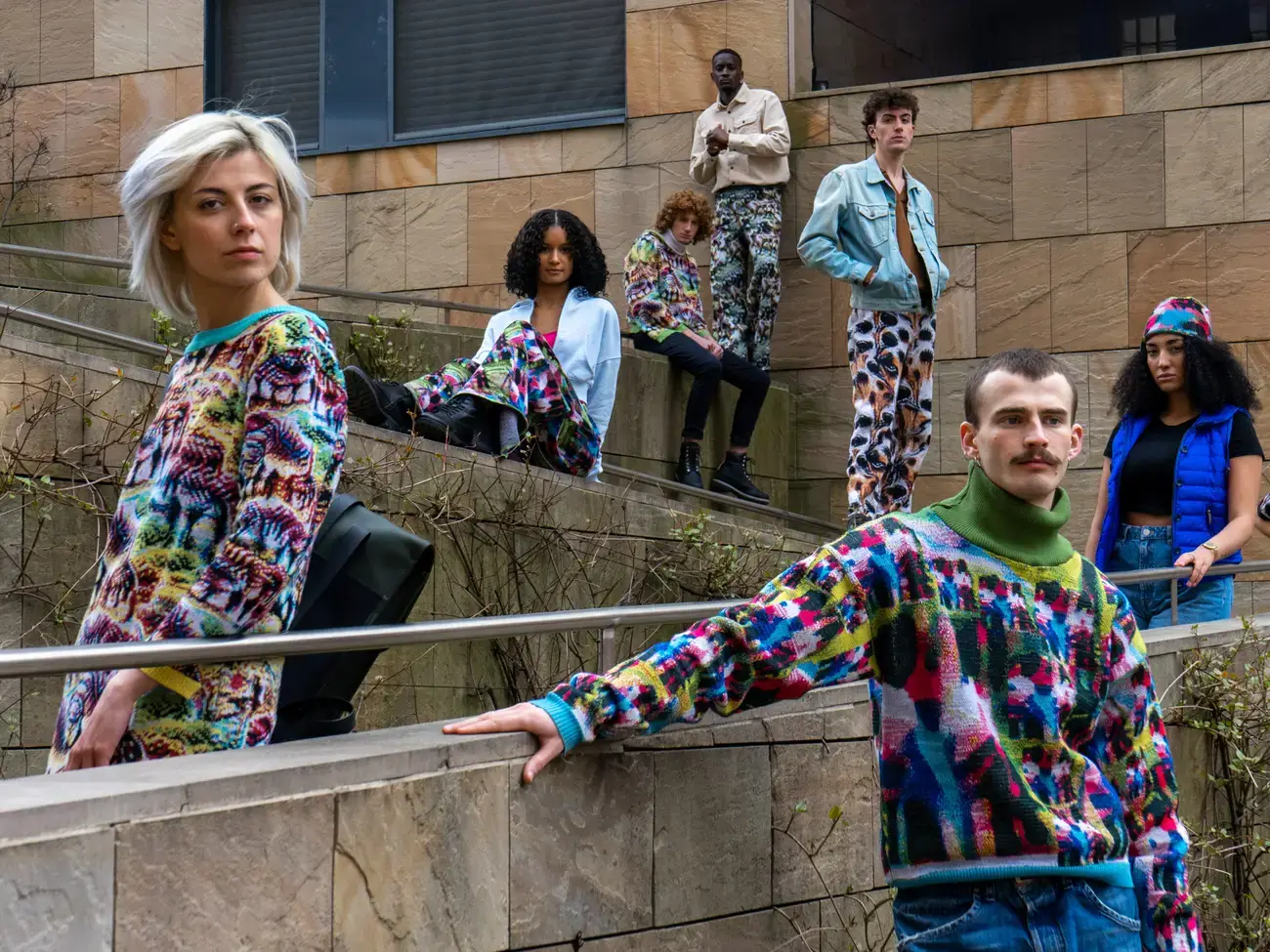
The project was released on sale last month and had been in the works for over nine months.
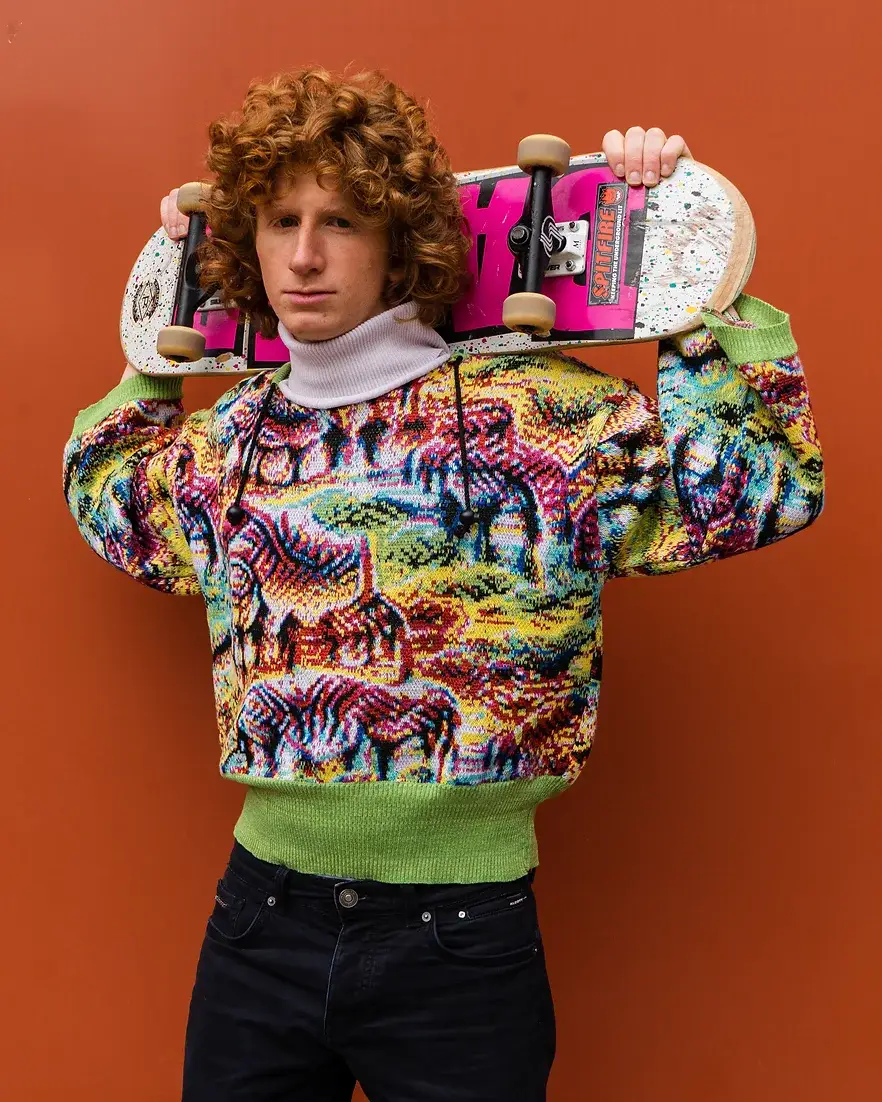
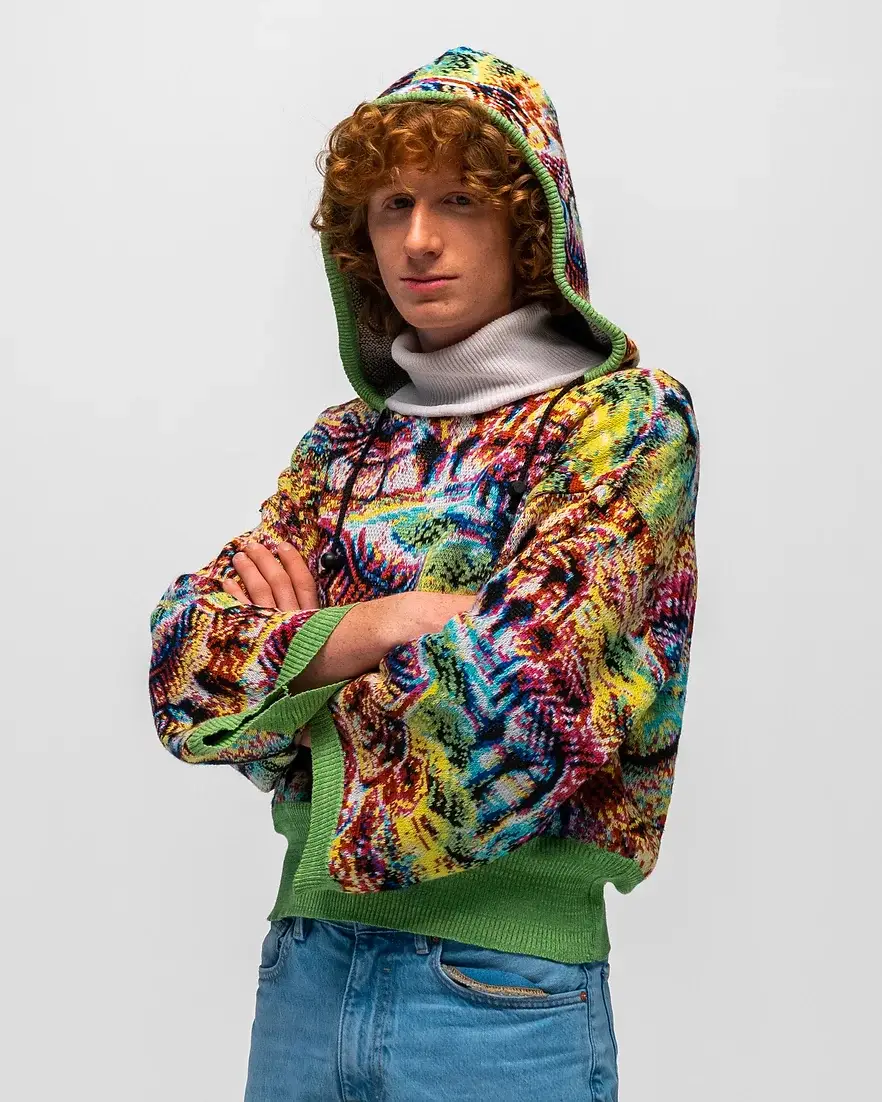
Using animal-based patterns to outsmart facial-recognition software, the line, titled the 'Manifesto Collection', has been successful in its aims to protect wearers' biometric data.
These patterns have been referred to as 'adversarial patches'.
Cap_able's official website explains the brand's mission: "It wants to educate the population on the importance of privacy and human rights by addressing the problem of misuse of facial recognition technology."
It continues to outline the importance of shielding people from the potential misuse of the algorithm-based software.
"The need to protect the individual from the abuse of new Artificial Intelligence technologies is felt more and more," Cap_able states, "and the doubts about its ethical sustainability in the long term are still many."
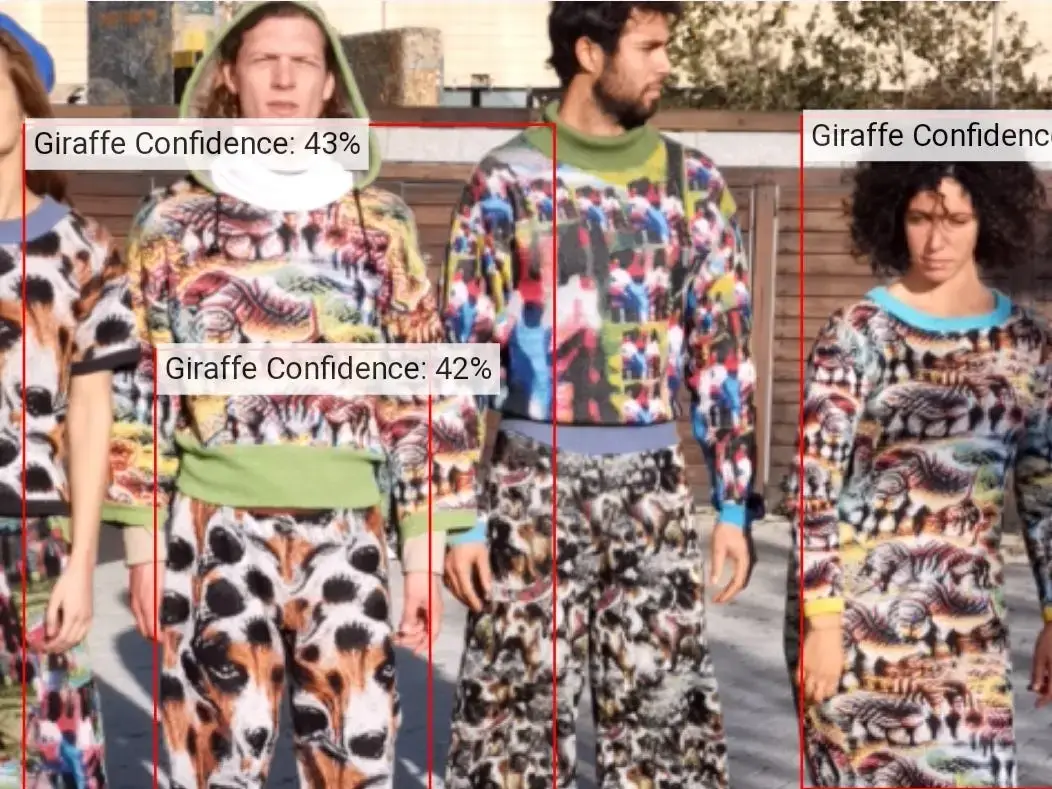
The Manifesto Collection, which also stocks trousers and dresses, ensures that the facial-recognition technology recognises wearers as 'dogs, zebras, giraffes, or small knitted people inside the fabric'.
Pretty bizarre - right?
Clearly more than just a layer of warmth, the website adds: "The algorithm that shields facial recognition is integrated into the texture designed to be worn without losing effectiveness, blending perfectly with the volumes of the body."
Talk about multi-purpose.
Topics: Fashion, Technology, Weird
 Rhiannon Ingle