People left mind-blown after watching Hubble telescope image of a star exploding over 10,000,000 lightyears away

Redditors are losing their minds after witnessing an ‘amazing’ star explosion caught by the Hubble Space Telescope.
Have you heard of a jaw-dropping phenomenon called a supernova? If not, then you need to understand it’s what happens when a star goes through a transition period during its last evolutionary stages.
When a massive star collapses, it causes a gigantic shockwave that leads to the ejection of material into space.
When you compare it to how old stars can be, the visual event of a supernova is actually very brief, often only lasting a few months to a year.
Advert
Due to the explosion taking place over such a short period of time, coupled with the fact that only a tiny fraction of stars in a galaxy have the capacity to become a supernova, the chances of observing one with the naked eye are around once in a lifetime.
Even rarer than witnessing a supernova is seeing rings of light or ‘light echoes’ spreading out from the star in the months and years that follow.
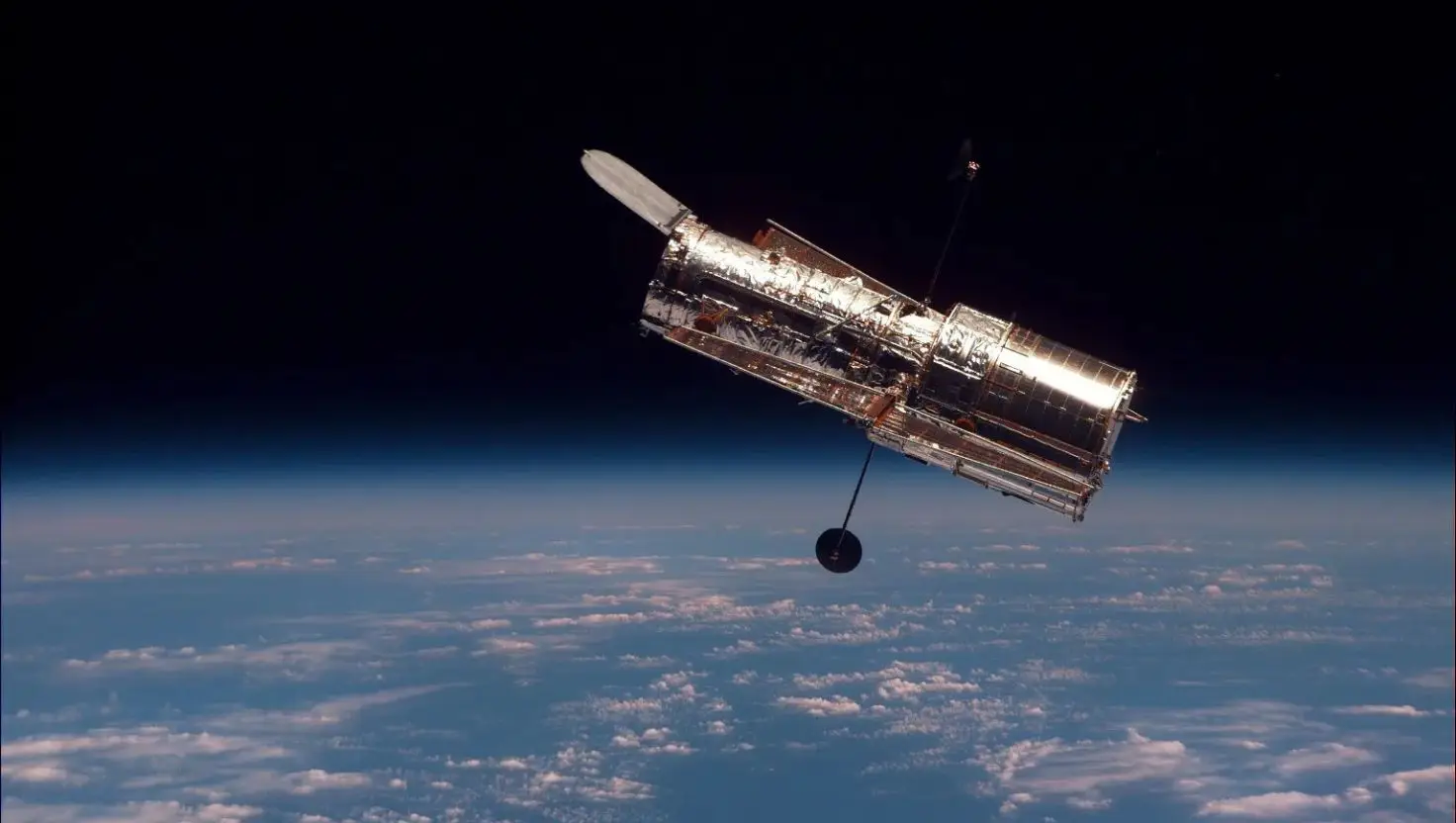
Luckily, the Hubble Space Telescope (HST) has done the hard work for you by capturing this event on camera.
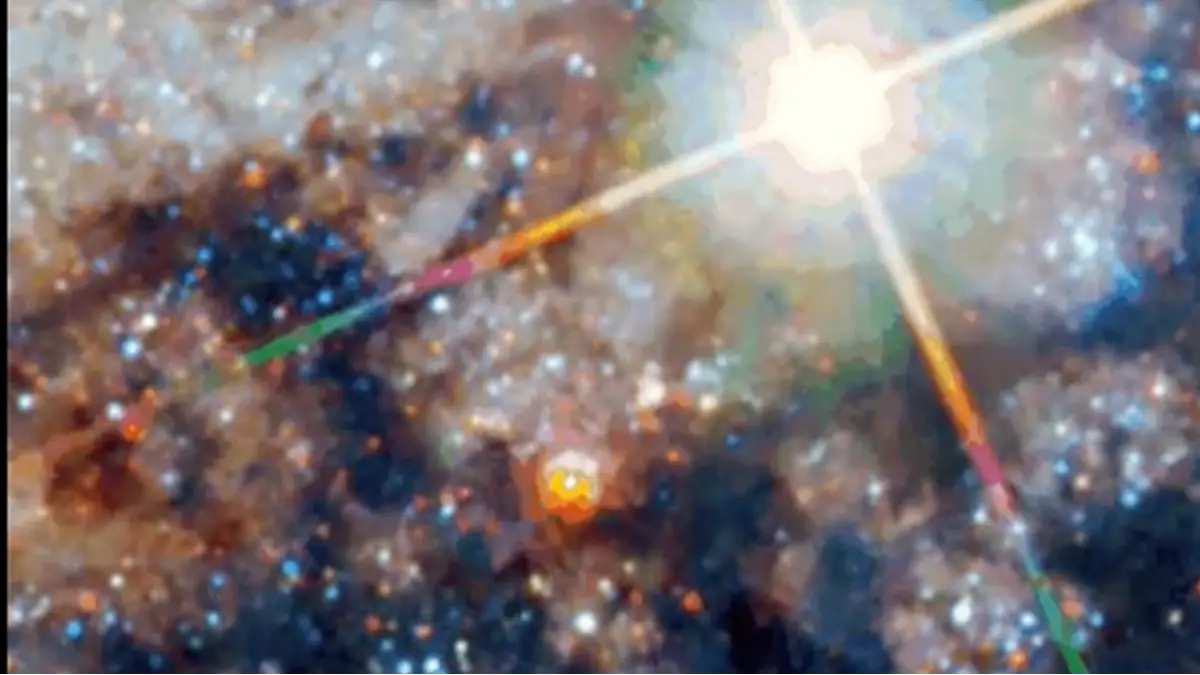
The HST has captured light echoes emanating from a star in Centaurus A, a galaxy in the constellation of Centaurus, around 13.05 million light years away from the Earth.
This phenomenon, known as supernova SN 2016adj, was observed by astronomers for over five years as it slowly dissipated, according to Tech Fragments.
“The data set is remarkable and enabled us to produce very impressive coloured images and animations that exhibit the evolution of the light echoes over a five-year period,” said lead scientist Professor Maximillian Stritzinger of Aarhus University.
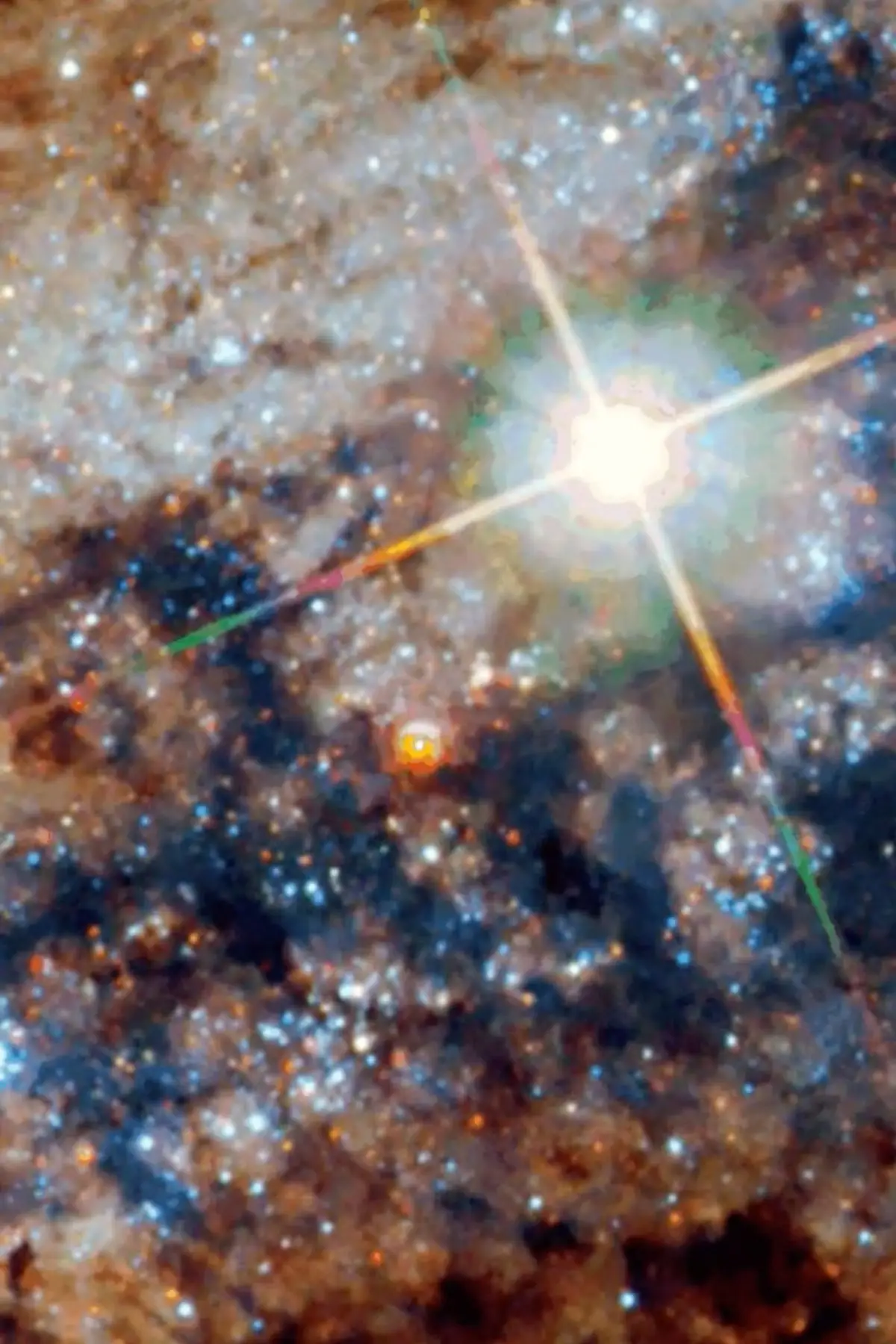
This particular light echo that the HST captured over the course of 1.5 years, has been turned into a GIF, and it’s blowing Redditors’ minds.
“This might be one of my favorite images ever captured. That is so dang cool,” replied one.
A second typed: “Human beings have been around for at least 300,000 years and we all get to see this and so much more.
“Think about that, it’s overwhelming. It’s our inheritance, cherish it!”
Someone else typed: “It’s hard to put into words how amazing it feels to observe this. What a privilege. Our species is capable of greatness.”
According to NASA, the light explosion you can see on the GIF was traveling at a speed of more than 10,000 kilometres per second.
Earlier this year, supernovas made headlines once again when researchers revealed the James Webb Space Telescope (JWST) had discovered one of the earliest ‘truly gargantuan' supernovas ever seen.
This particular blast, designated AT 2023adsv, is thought to have rocked the cosmos around 2 billion years after the Big Bang in a massive, early galaxy.
Speaking about how JWST can move space exploration further, JADES team member and Space Telescope Science Institute (STScI) researcher David Coulter said: "We don't know how many [supernovas] the JWST will find but we can start to push to the beginning of these first stars and hope to see their explosions.”
Topics: Space, Science, World News
 Ella Scott