
Doctor had college students take 9-week digital detox and revealed 'scary' impact on the brain

It seems as if everyone has a cell phone glued to their hands in this day and age - especially the younger generation.
‘Doomscrolling’ - a word that didn’t even exist just a few years ago, has now become a part of our daily vocabulary and a regular part of our daily routine.
Endlessly scrolling through social media apps and being accessible 24/7 to friends and family through instant messaging may seem harmless - but a doctor has now found that it may have a ‘scary’ impact on the brain.
During the study, Dr. Sahar Yousef somehow managed to get a group of UC Berkeley students to agree to part in a digital detox for nine whole weeks, and the results were alarming.
Advert

Dr. Yousef found that those students who took part in the detox experienced less anxiety, less depression and more mindfulness.
“We’re actually seeing brain atrophy. We’re seeing degradation of certain brain areas related to self-awareness [and] cognitive control, which is very very scary,” she told NBC.
Bobby Harden, a student who took part in a digital detox told the outlet: “After I removed this negative presence, I realized all the positive aspects of my life.”
The University also held a ‘digital detox’ event for a few hours, in which they swapped doom scrolling for outdoor games and connections.
The ‘part process part throwback’ was organized by student Dawson Kelly, who told NBC he wanted to ‘demonstrate what their birth rights should have been’.
"It sucks that on a regular basis I'm having to fight with my phone and I feel like I'm losing control over my life,” he said.
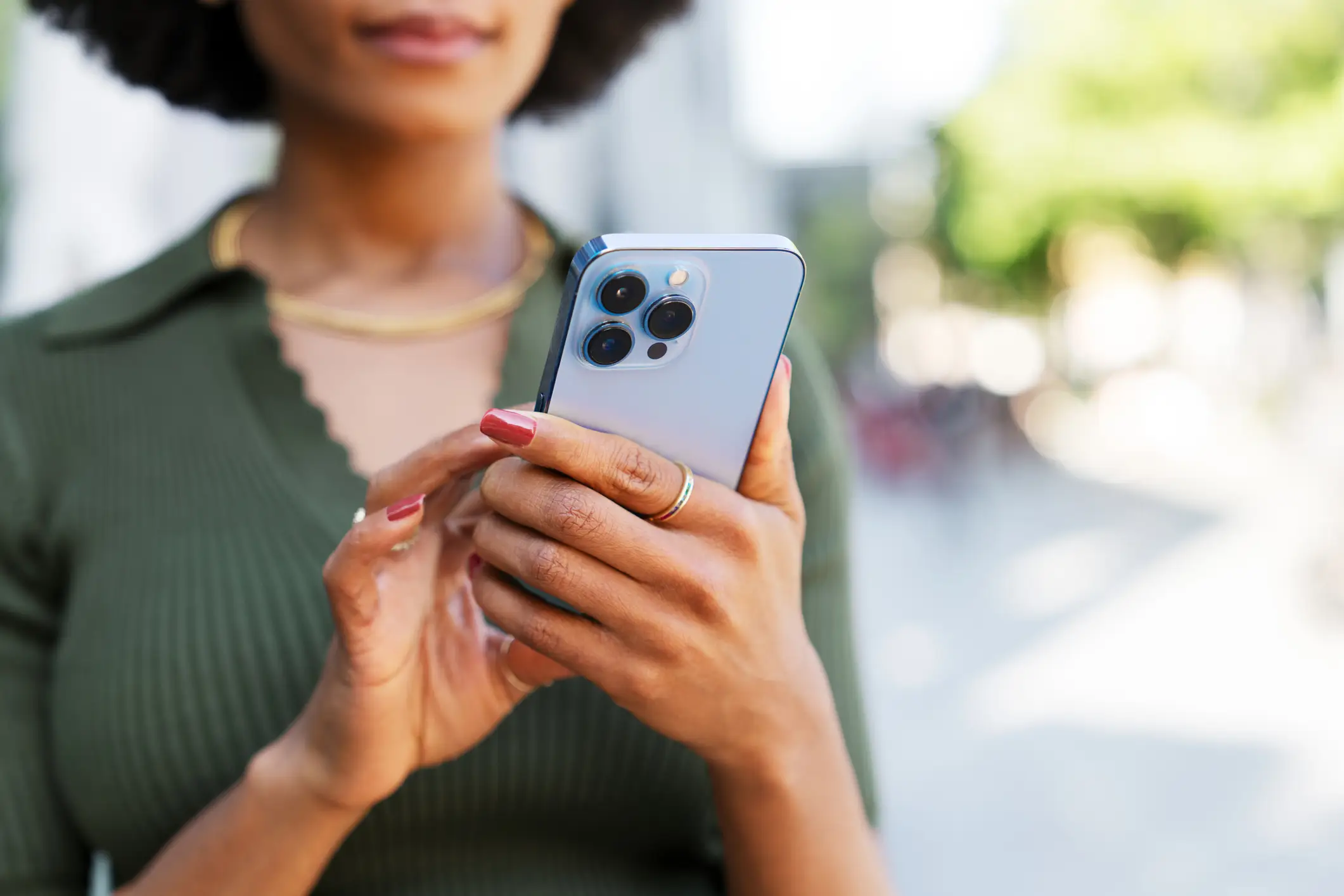
Students that attended Kelly’s event said that they ‘weren’t anti-tech’ however, they are hoping the movement reaches people, and promotes them to connect in real life again.
These students aren’t the only ones to experiment with a digital detox. A number of YouTubers have previously documented themselves locking their phone away in a box for a certain period of time.
One of these was Andrew Feinstein, who decided to go 30 days, a whole month, with no phone.
He conducted a scientific brain scan before the experiment, and after it finished - and the results jumped significantly after.
He also revealed that he felt better in himself overall within just days of locking his phone.
Time for us to find that off switch!
Topics: Mental Health, Social Media, Technology, Health
 Kiesha Dosanjh