Here's What Will Happen When Elon Musk's SpaceX Rocket Collides With The Moon

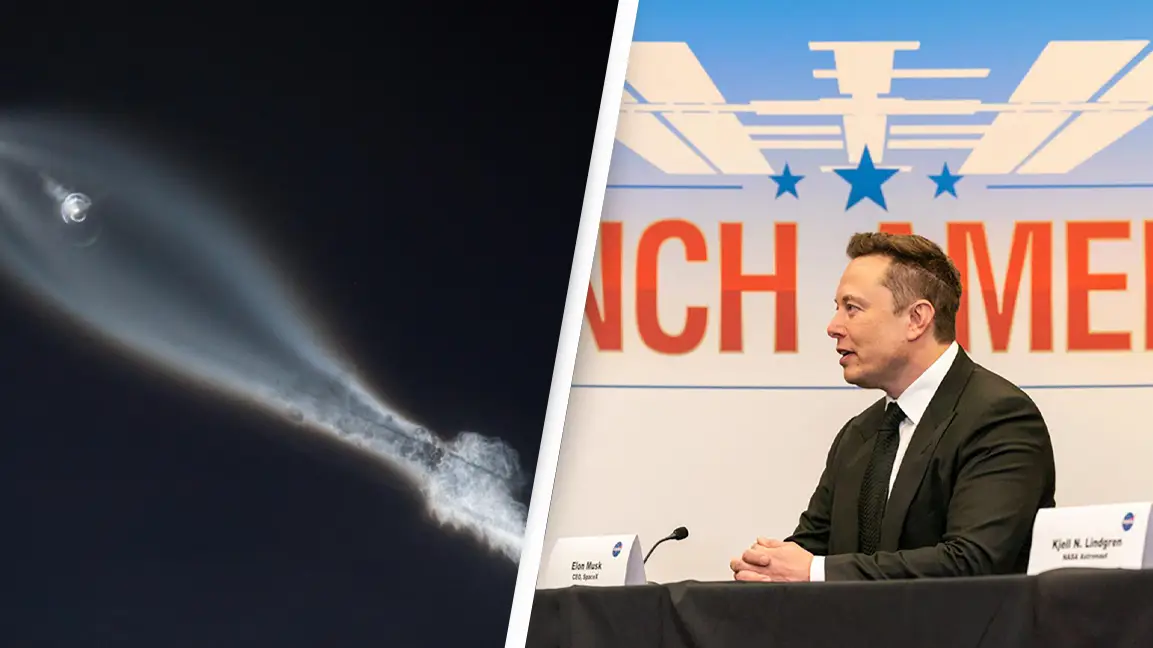
Part of Musk's derelict SpaceX Falcon 9 rocket is on course to collide with the moon.
The Tesla CEO may be known for his status as the world's current richest man, and though he has made impressive technological advances, his 2015 SpaceX rocket appears to not be on the path to such similar success.
On March 4, part of the rocket which was initially carrying NASA's Deep Space Climate Observatory (DSCOVR) probe when it launched, is expected to collide with the moon and it has caused quite the stir.

Hitting the moon at a speed of around 2.6km per second, a section of the rocket measuring 14 metres long and weighing close to four tonnes is expected to cause a crater measuring around 19 metres in diameter, The Conversation reports.
The rocket was first launched into a position facing the sun, 1.5 million kilometres from Earth, where its expended upper stage was meant to be released and take part in an independent orbit around the sun.
However, it lacked enough speed to do so, and was left unable to return back to Earth. Usually, debris such as this would generally make it back to Earth's atmosphere and burn up on re-entry, thus reducing dangerous clutter in space.
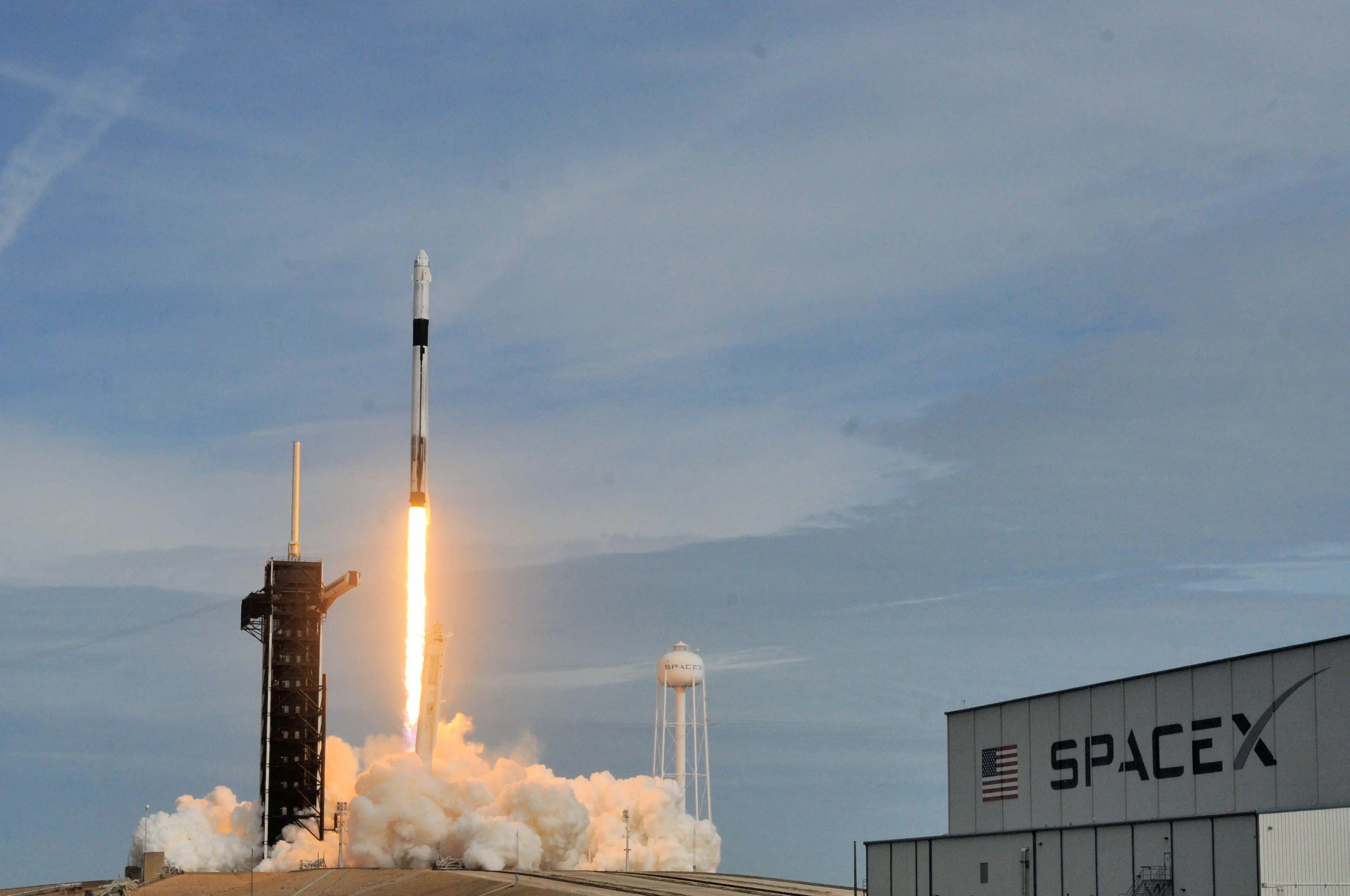
Since it has been confirmed that Musk's rocket is on path for the moon, social media users have speculated about what might happen, but how much should we really be worrying?
While many have been left outraged by the prospect of a man-made object damaging the moon, it is actually said to more environmentally friendly for Musk's rocket to collide with the moon, as opposed to attempting to return through Earth's atmosphere.
If the rocket did try to come back, it would end up burnt and scattered across Earth's atmosphere in the form of metal oxide particles.
It could also be argued that the moon naturally gains craters from space debris anyway, as it lacks an atmospheric shield.
NASA's lunar impact monitoring project revealed that hundreds of smaller impacts have occurred on the moon over the past 10 years.
In March 2013, for example, an asteroid rock weighing half a tonne caused a 19-metre crater on the moon, and was travelling 10 times faster than the Falcon 9, as recorded by the Lunar Reconnaissance Orbiter.
While another crater is not thought to pose any harm to the moon, the possibility of biological contamination could be a cause for concern.
The moon could theoretically be contaminated with living microbes or molecules, which could in turn end up being mistaken for evidence of life on the moon.
A series of planetary protection protocols, which are in place for both ethical and scientific reasons, have been signed by the majority of nations in a bid to stem this risk.
However, the risk of biocontamination from the DSCOVR Falcon 9 is small, as despite not being sterile when it launched, it was not carrying any biological cargo. Instead, the biggest impact it will have on the moon is massive crater it's going to create when the collision happens.
If you have a story you want to tell, send it to UNILAD via [email protected]
Topics: Elon Musk, Space, SpaceX, Science, Technology
 Poppy Bilderbeck