unilad homepage
unilad homepage
  • News
    • UK News
    • US News
    • World News
    • Crime
    • Health
    • Money
    • Sport
    • Travel
  • Music
  • Technology
  • Film and TV
    • News
    • DC Comics
    • Disney
    • Marvel
    • Netflix
  • Celebrity
  • Politics
  • Advertise
  • Terms
  • Privacy & Cookies
  • LADbible Group
  • LADbible
  • SPORTbible
  • GAMINGbible
  • Tyla
  • UNILAD Tech
  • FOODbible
  • License Our Content
  • About Us & Contact
  • Jobs
  • Latest
  • Archive
  • Topics A-Z
  • Authors
Facebook
Instagram
X
Threads
TikTok
YouTube
Submit Your Content
True story of shortest war in history that lasted under 40 minutes but still had 500 deaths
Home>News>World News
Updated 19:06 19 Jul 2024 GMT+1Published 19:07 19 Jul 2024 GMT+1

True story of shortest war in history that lasted under 40 minutes but still had 500 deaths

The Anglo-Zanzibar War is widely known as the shortest in history

Lucy Devine

Lucy Devine

google discoverFollow us on Google Discover
Featured Image Credit: Pictures from History/Getty Images

Topics: History, World News

Lucy Devine
Lucy Devine

Advert

Advert

Advert

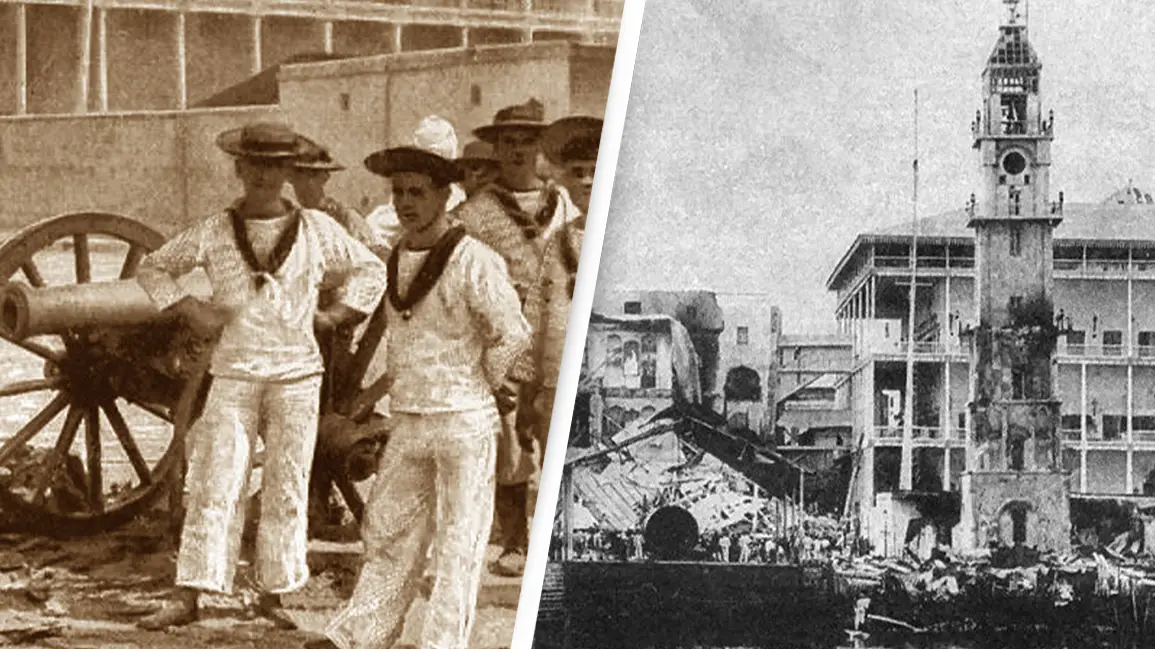
The shortest war in history only lasted 40 minutes, but still managed to take the lives of 500 people.

The Anglo-Zanzibar War, which took place in 1896, is widely known as the shortest war to ever take place.

But sadly, it had many casualties, despite barely lasting an hour.

It all started in August 1896, when the sultan of Zanzibar, Sultan Hamad, died suddenly. Britain, who had influence over the region at the time, had a preference over who would replace the sultan, but Prince Khālid ibn Barghash did not agree.

Advert
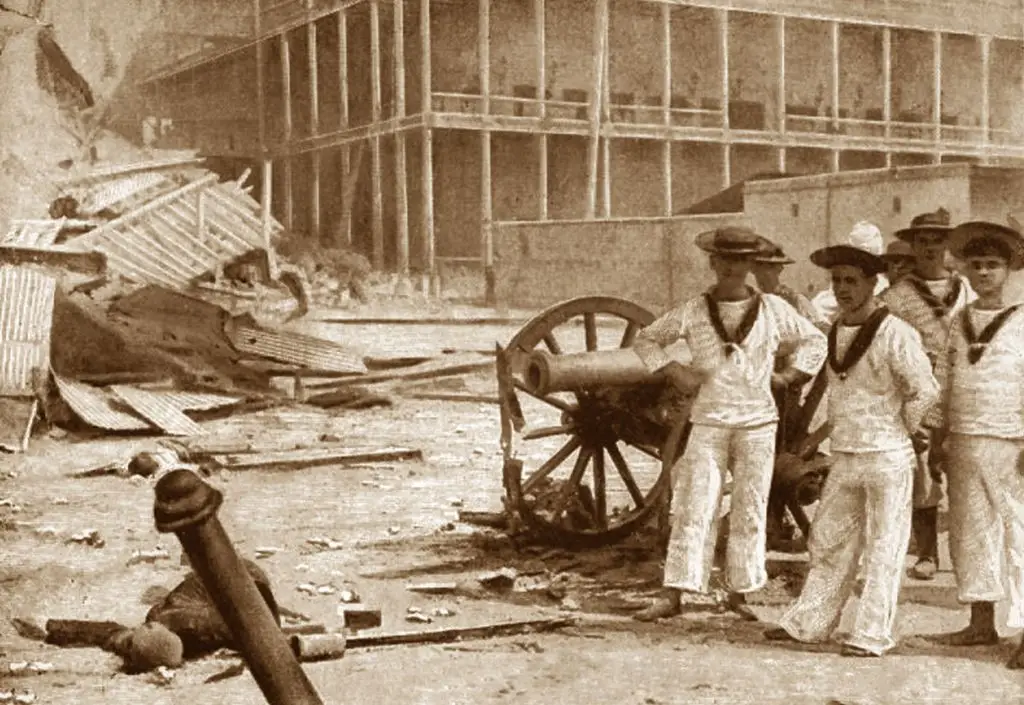
British forces in front of the sultan's palace. (Pictures from History/Getty Images)

He took control himself instead - much to the disapproval of the British - which caused tensions between the two sides.

On August 25, the Brits arrived in Zanzibar with soldiers and gunboats, while Prince Khālid took refuge in the palace behind an army of 3,000 soldiers and supporters, as well as several artillery guns.

While directly asking Prince Khālid to surrender, the Brits were also sending troops to protect the British Consulate and control any rioting from the public.

Despite the growing tension - and the ultimatums that chief diplomat, Basil Cave issued to Khālid - the British troops could not proceed without the approval of the government at home.
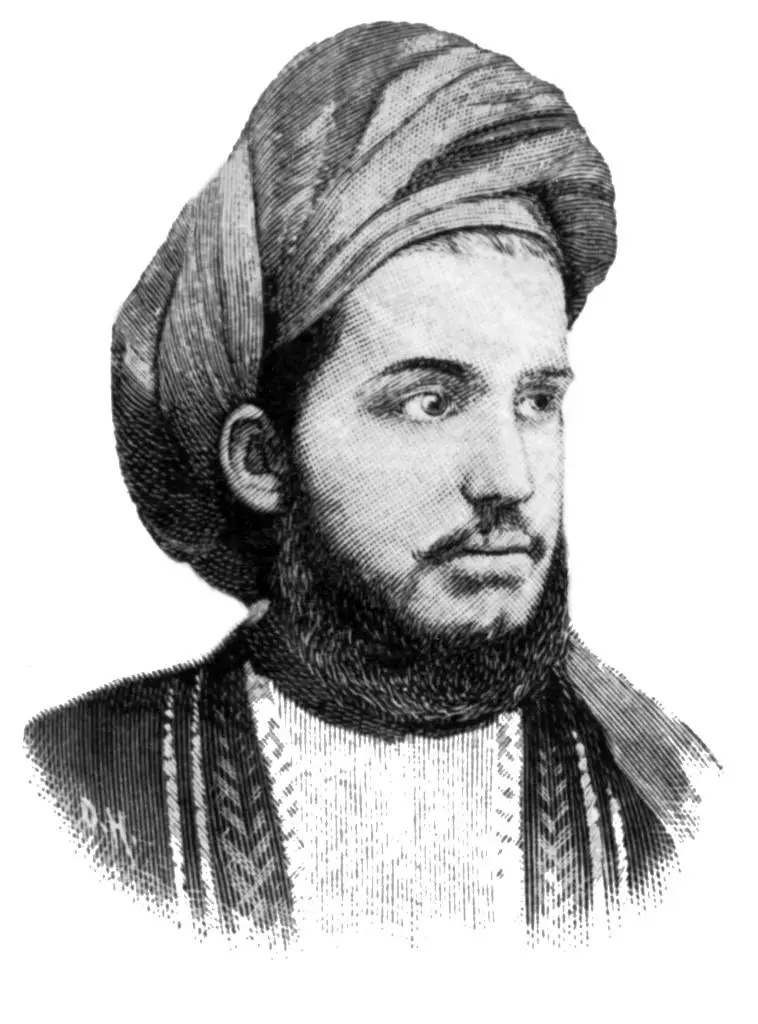
Prince Khālid ibn Barghash. (Henry Guttmann/Pictures from History/Universal Images Group via Getty Images)

Cave sent a telegram to the Foreign Office, asking: “Are we authorised in the event of all attempts at a peaceful solution proving useless, to fire on the Palace from the men-of-war?”

The next day, he received the following: “You are authorised to adopt whatever measures you may consider necessary, and will be supported in your action by Her Majesty’s Government. Do not, however, attempt to take any action which you are not certain of being able to accomplish successfully.”

Prince Khālid was issued one final ultimatum on 26 August, but did not surrender.

That afternoon, the harbours were cleared and British women and children taken to safety.
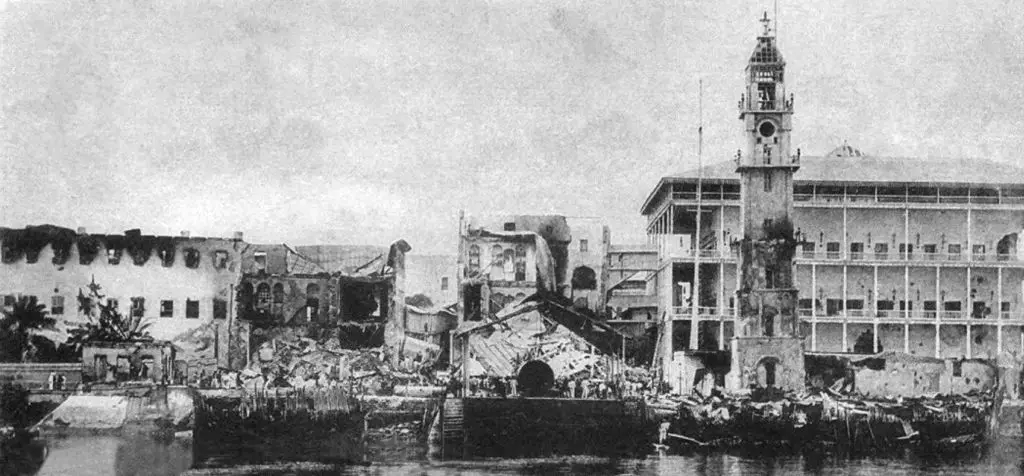
The palace after the bombardment. (Pictures from History/Getty Images)

At 9am the following day, troops began infiltrating the palace, and at 9.02am, ships Racoon, Thrush and Sparrow opened fire on the palace, leading to around 500 casualties.

Many of those killed had died in the fire that engulfed the palace.

Khālid, however, ended up escaping, seeking shelter in the German Consulate before being smuggled into Tanzania. He remained on the run until he was captured in 1916, when British forces invaded East Africa.

Despite the conflict lasting just minutes, it took the lives of many of Khālid's troops.

  • True story behind eerie NASA photo that’s still freaking people out 40 years later
  • Woman takes employers to court after being fired for 'turning up 40 minutes early'
  • The world's deepest subway station 40 stories beneath the city that takes 10 minutes to reach
  • 5 of the biggest historical lies people still believe in despite being proved wrong

Choose your content:

9 hours ago
10 hours ago
12 hours ago
  • Getty Stock Images
    9 hours ago

    How to tell if you have 'sad nipple' syndrome, according to experts

    While there are no studies available on the condition, there are several theories and suggestions of help.

    News
  • Getty Stock Photo
    10 hours ago

    Putting a dollar bill in your fridge for a one-minute test could save you money, expert says

    The test could save you a lot of cash...

    News
  • Getty Stock Images
    10 hours ago

    M&M's may scrap two iconic colors to become 'Make America Healthy Again' friendly

    M&M’s are set to debut a natural-ingredient version of the iconic candy

    News
  • Getty Stock Photo
    12 hours ago

    Strict no-sex rules at the World Cup explained by experts

    We delve into the science behind the 'famous' rule...

    News