unilad homepage
  • News
    • UK News
    • US News
    • World News
    • Crime
    • Health
    • Money
    • Sport
    • Travel
  • Film and TV
    • Netflix
  • Music
  • Tech
  • Features
  • Celebrity
  • Politics
  • Advertise
  • Terms
  • Privacy & Cookies
  • LADbible Group
  • LADbible
  • SPORTbible
  • GAMINGbible
  • Tyla
  • UNILAD Tech
  • FOODbible
  • License Our Content
  • About Us & Contact
  • Jobs
  • Latest
  • Archive
  • Topics A-Z
  • Authors
Facebook
Instagram
X
Threads
TikTok
YouTube
Submit Your Content
‘Plastic rainfall’ risks contaminating everything we eat and drink

Home> News> World News

Published 16:59 1 Oct 2023 GMT+1

‘Plastic rainfall’ risks contaminating everything we eat and drink

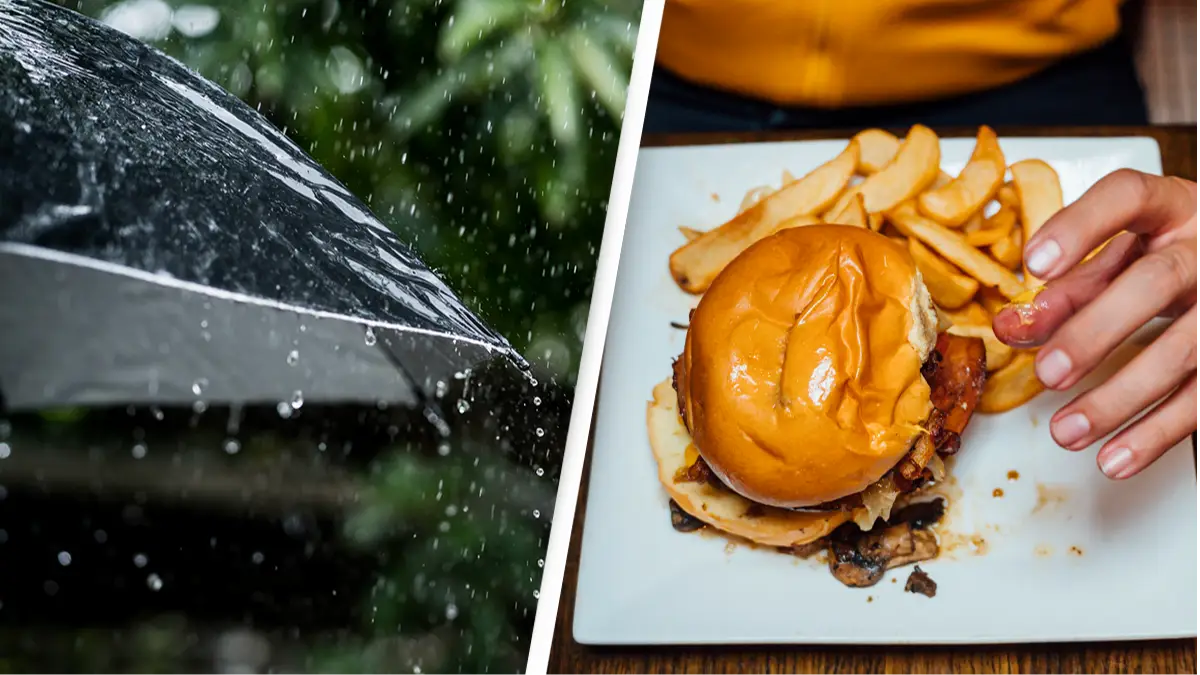
Scientists have spoken out in fear of 'irreversible and serious environmental damage' after finding microplastics in clouds.

Poppy Bilderbeck

Poppy Bilderbeck

google discoverFollow us on Google Discover
Featured Image Credit: Phira Phonruewiangphing/Getty / KARRASTOCK/Getty

Topics: Food and Drink, Weather, Environment, Health, World News

Poppy Bilderbeck
Poppy Bilderbeck

Poppy Bilderbeck is a freelance journalist with words in Daily Express, Cosmopolitan UK, LADbible, UNILAD and Tyla. She is a former Senior Journalist at LADbible Group. She graduated from The University of Manchester in 2021 with a First in English Literature and Drama, where alongside her studies she was Editor-in-Chief of The Tab Manchester. Poppy is most comfortable when chatting about all things mental health, is proving a drama degree is far from useless by watching and reviewing as many TV shows and films as possible.

Advert

Advert

Advert

Scientists have spoken out in fear of 'irreversible and serious environmental damage' after finding microplastics in clouds.

A group of researchers from Waseda University in Japan, conducted an investigation into the path of airborne microplastics (AMPs) - microplastics being plastic particles less than five millimetres in size.

While we know plastic waste on land ends up in the ocean as microplastics, the study team looked at whether microplastics also then end up in clouds, which in turn, means they can end up in rain and subsequently our food and water.

If you thought microplastics being found in the human heart wasn't enough to make your stomach curdle and immediately google, 'How can I save the environment?' then this will.

Advert

The study saw the group collect cloud water from the summit of Mount Fuji.

The water was then analysed, the team looking at the physical and chemical properties to ascertain whether or not there were any airborne microplastics (AMP) present.

And sadly, there were more than just a few - the study discovering there were nine different types of polymers and one type of rubber in the airborne microplastic particles. And researchers believe have come from the ocean.

This result means microplastics 'may have become an essential component of clouds' and the team fears this could mean microplastics are contaminating 'nearly everything we eat and drink via 'plastic rainfall''.
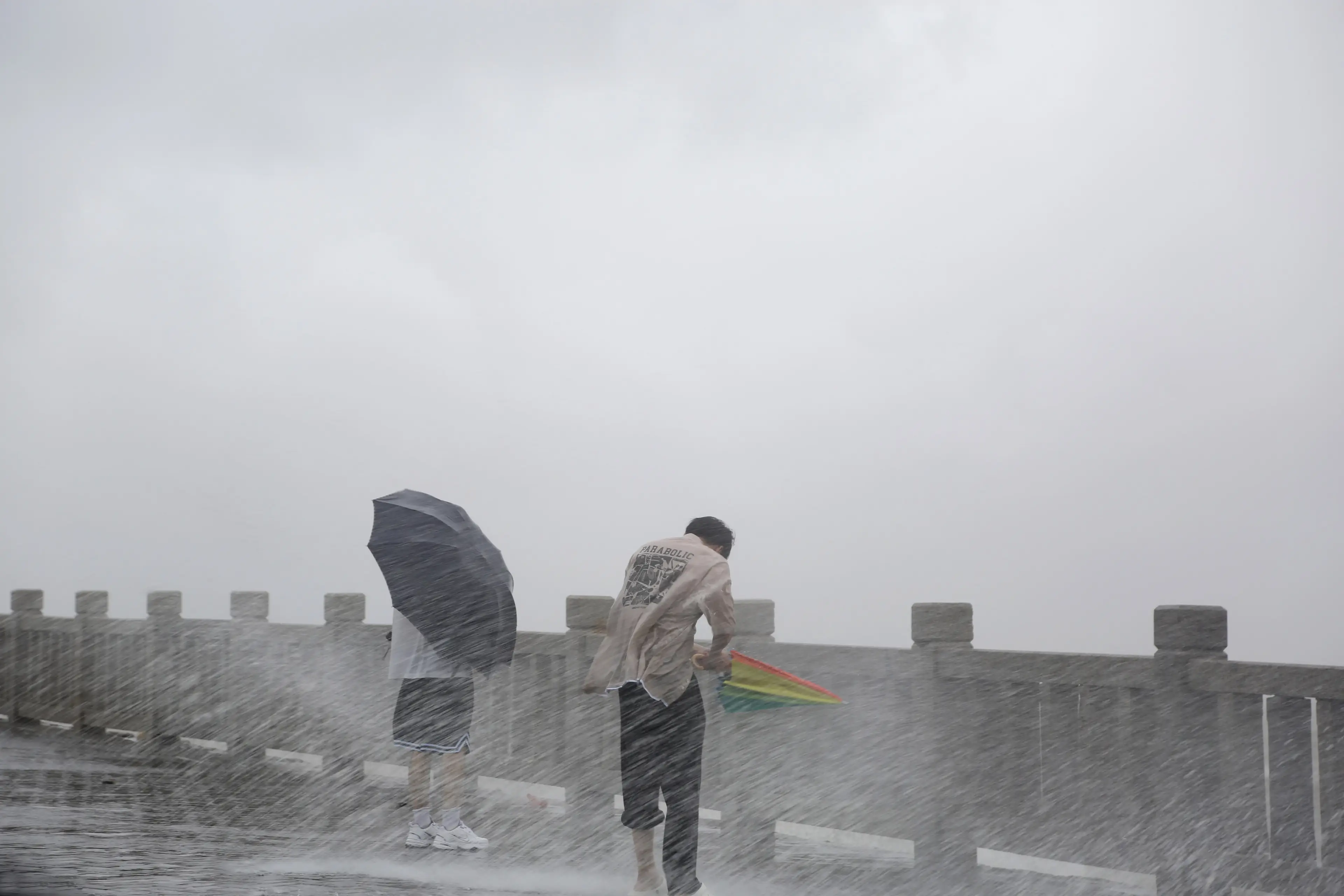
The study revealed there are microplastics in clouds.
Getty Images/ Costfoto/ NurPhoto

Waseda's press release continues: "Accumulation of AMPs in the atmosphere, especially in the polar regions, could lead to significant changes in the ecological balance of the planet, leading to severe loss of biodiversity."

Lead author on the studey, Waseda Professor Hiroshi Okochi, adds: "Airborne microplastics] are degraded much faster in the upper atmosphere than on the ground due to strong ultraviolet radiation, and this degradation releases greenhouse gases and contributes to global warming.

"As a result, the findings of this study can be used to account for the effects of [microplastics] in future global warming projections."
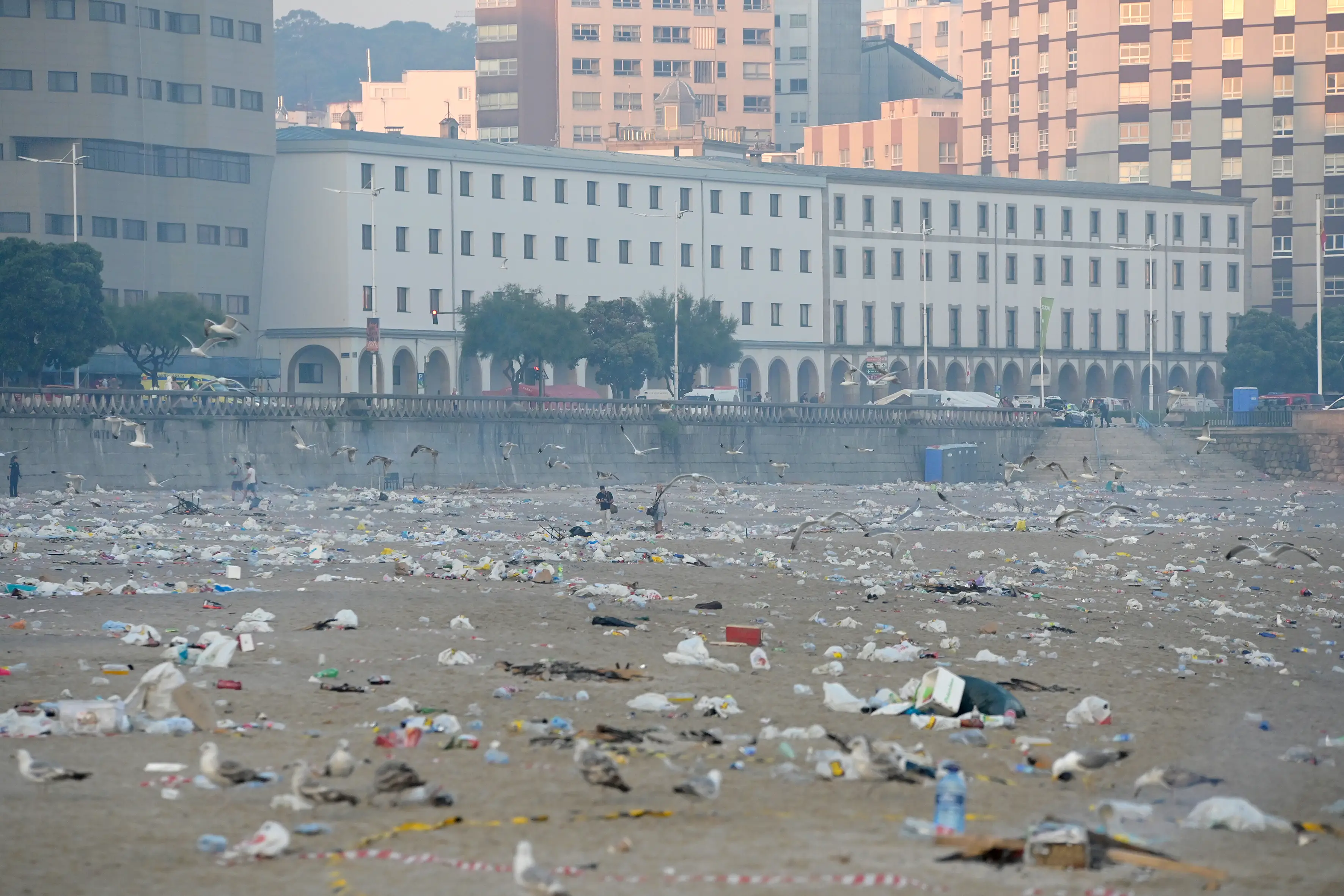
Plastic waste may start on land, but its particles could end up in clouds, rain and even your food and drink.
Getty Images/ M. Dylan/ Europa Press

Dr Okochi resolves: "Microplastics in the free troposphere are transported and contribute to global pollution. If the issue of ‘plastic air pollution’ is not addressed proactively, climate change and ecological risks may become a reality, causing irreversible and serious environmental damage in the future."

The results of the study are published in Springer Link's Environmental Chemistry Letters, the article titled Airborne hydrophilis microplastics in cloud water at high altitudes and their role in cloud formation.

Choose your content:

14 mins ago
17 mins ago
2 hours ago
  • Getty Images
    14 mins ago

    OnlyFans star claims Sydney Sweeney scene would be banned for violating key rule

    The new season of 'Euphoria' has triggered waves of discourse, mostly thanks to the OnlyFans antics of Sydney Sweeney's character

    Celebrity
  • Photo by Stephane Cardinale - Corbis/Corbis via Getty Images
    17 mins ago

    Dylan Sprouse breaks on holding intruder at gunpoint while wife called police

    The incident took place at Dylan Sprouse and Barbara Palvin's LA home on April 17

    Celebrity
  • Kevin Winter/Getty Images
    2 hours ago

    Euphoria star Chloe Cherry reveals how she feels about Sydney Sweeney storyline as ex adult film star

    The Faye actress explained why it 'feels crazy as f**k'

    Film & TV
  • Getty stock
    2 hours ago

    'Crymaxing' sex trend explained as influencer sparks confusion by putting tears in hair

    Looksmaxxing influencer Dillon Latham actually has his own version of the trend 'crymaxing'

    News
  • Plastic surgeon reveals why BBLs are so dangerous and how patients could die
  • Doctor reveals how much water you need to drink per day and what happens if you don't
  • Doctors say taking medications on an empty stomach could result in deadly risks
  • New research links popular foods to increased risks for 12 major health conditions