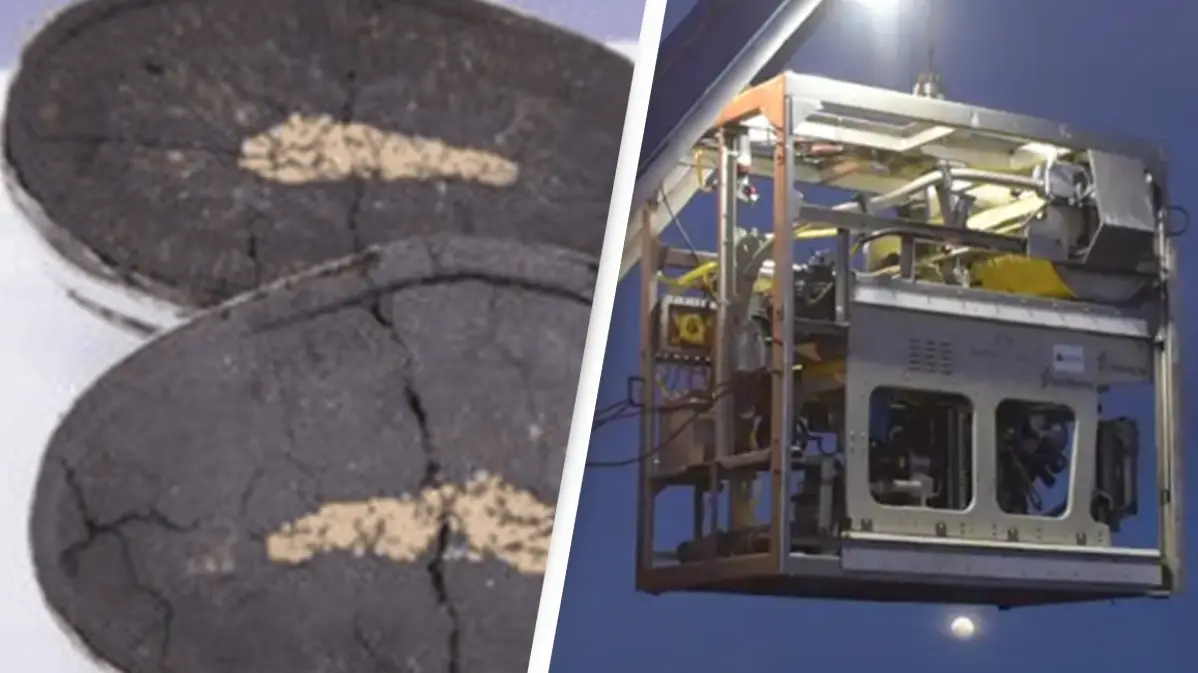
Japan hits jackpot after discovering 230 million tons of rare mineral that could make them billions

Japanese researchers have discovered a trove of magnesium deposits that will become ‘crucial for economic security’.
A new survey conducted in collaboration with The Nippon Foundation and the University of Tokyo has found the seabed around Minami-Tori-shima island harbors around 610,000 metric tons of cobalt and 740,000 metric tons of nickel.
These minerals are two of the crucial components needed to create electric vehicle (EV) batteries and their amounts are the equivalent to a staggering 11 years of domestic consumption.
Advert
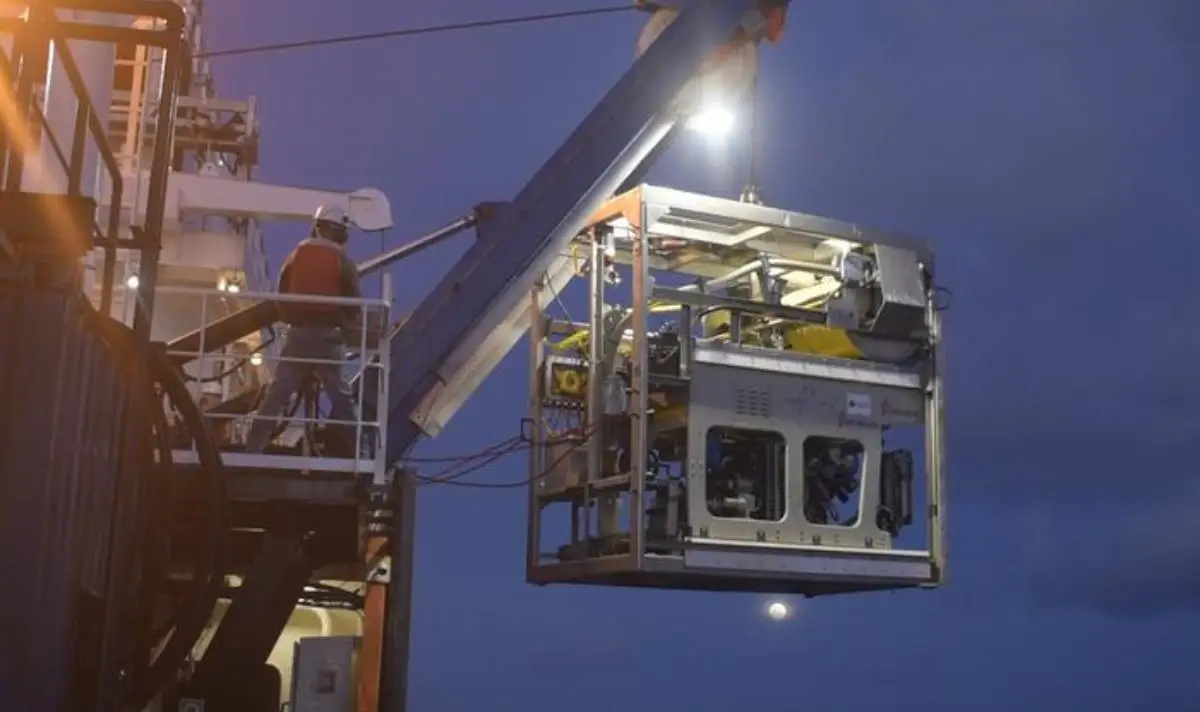
As reported by Nikkei Asia, 230 million tons of the rare minerals were discovered between April and June after a team surveyed 100 seabed sites using remotely operated underwater vehicles.
Researchers guided these probes to depths of 5,200 to 5,700 meters before confirming that a field of dense manganese nodules lay on the seabed around 1,200 miles from Tokyo.
The magnesium nodules, which contained the cobalt and nickel, are thought to have formed over millions of years as metals transported in the ocean attach themselves to fish bones and stuck to the seabed, according to the publication.
Moreover, the deposits are thought to contain copper - another valuable element.
Interestingly, these manganese nodules were initially discovered in a 2016 survey and experts claimed that multiple had formed around teeth belonging to the Megalodon.
The prehistoric shark, thought to have lived around 23 to 3.6 million years ago, is commonly known as the largest to have ever lived.
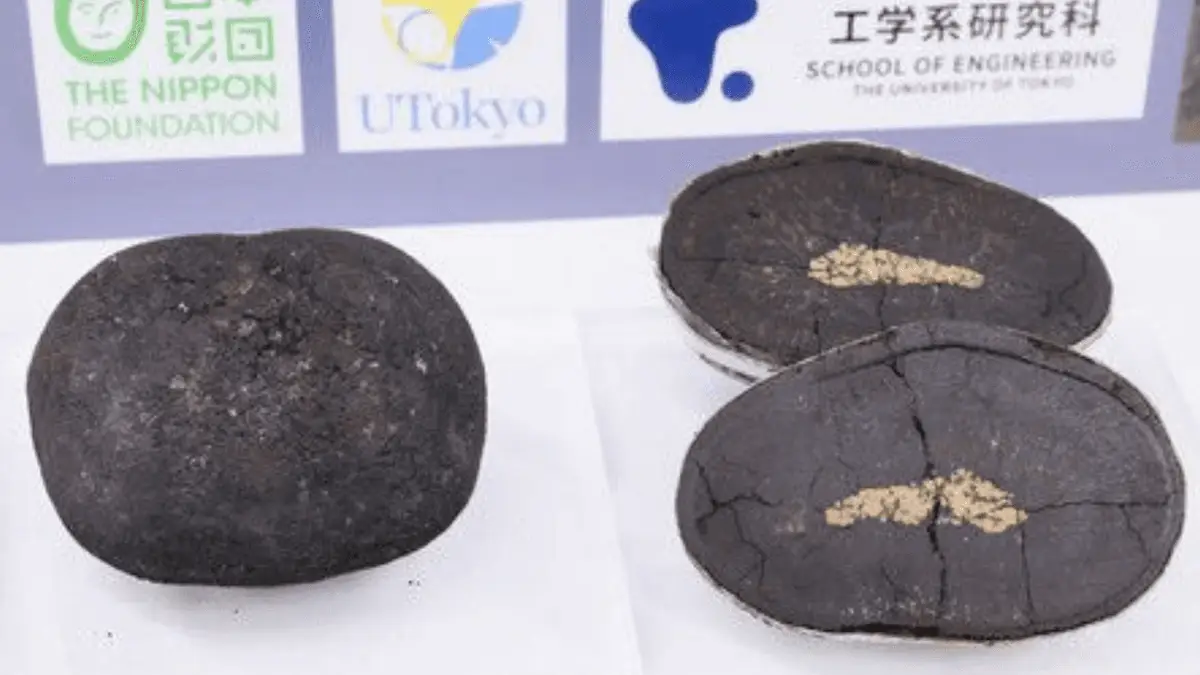
Following the most recent survey, Yasuhiro Kato, a professor specializing in resource geology at the University of Tokyo, said that excavators now plan to lift ‘three million tons annually’ from the deposits.
He claimed that this procedure would allow development to continue while ‘minimizing the impact on the marine environment’.
The team will therefore utilise overseas mining vessels to lift several thousand tons of nodules daily from 2025.
Moreover, they want their efforts to help establish a framework for commercialization in collaboration with the private sector.
The discovery of the mineral cornucopia is thought to be a ‘jackpot’ where Japan’s EV industry is concerned.
By utilising the cobalt and nickel from the ocean, the country will be able to decrease its dependency on other countries and satiate the internal demand for EV batteries, according to Interesting Engineering.
“Ultimately, we expect that our research outcomes will help boost Japan’s growth by establishing a domestic supply chain stretching from ‘resource-mining’ to ‘manufacturing’, and make Japan a science-technology, and ocean-oriented nation in a true sense of word,” read a press release from the University of Tokyo.
They also outlined in the report that they want to ‘collaborate with researchers of multiple disciplines’ in the future to develop more ‘environmentally-friendly products/technologies or new high-performance materials, by using various critical metals created from the new resources’.
Topics: Japan, World News, Science, Electric Cars
 Ella Scott