
Experts issue terrifying warning that part of the Earth is tearing apart in a ‘train wreck’ event

Experts have warned about the impact of an enormous 'death' process which is impacting our home planet.
In total, the Earth is around 4.5 billion years old - so old that if we were to condense that down into a year, humans would arrive at 11.59pm on December 31st.
Over that time, the appearance of the Earth and its composition have changed a lot, in part due to the movement of the tectonic plates.
These are the enormous blocks of solid matter suspended on top of the liquid mantle, and when they move, it means that literal continents smash together.
Advert
One such way for this to happen is in what in geology is called a 'subduction zone'.
This is where one tectonic plate slides underneath another, when an oceanic plate goes underneath either another oceanic plate or a continental plate.
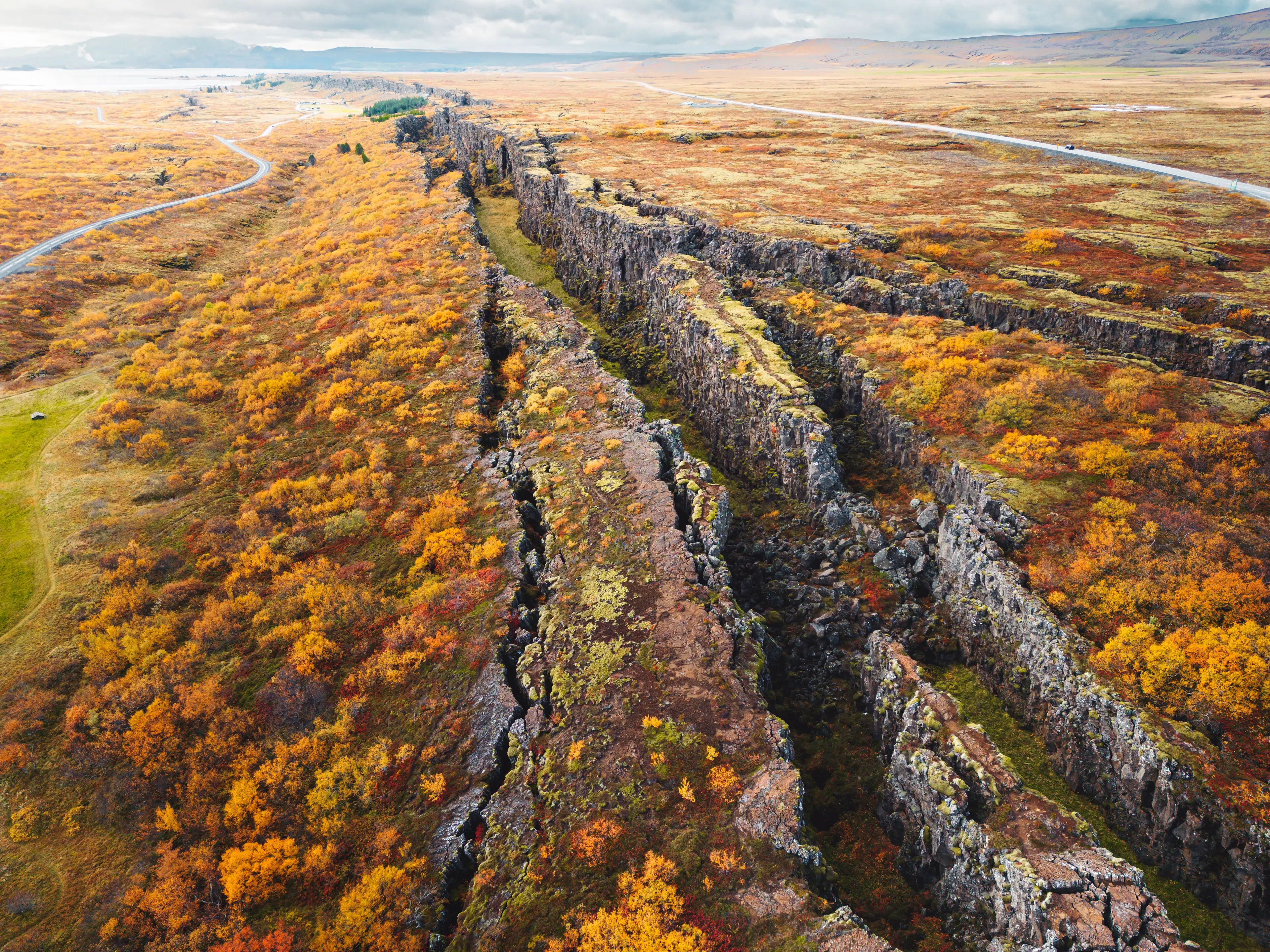
Scientists observing a subduction zone where the Juan de Fuca and Explore plates are moving beneath the North American Plate could have seen the first observation of a 'death' process.
Dr Brandon Shuck is a lead author on a study which observed this phenomenon using a mixture of seismic reflection imaging and records of earthquakes to observe the process.
Dr Shuck said: "Getting a subduction zone started is like trying to push a train uphill - it takes a huge effort. But once it’s moving, it’s like the train is racing downhill, impossible to stop. Ending it requires something dramatic - basically, a train wreck."
In their observations with a 15-kilometre-long ‘streamer’ of listening devices, the team made an extraordinary discovery - plates don't collapse all at once.
Instead they break off piecemeal.
"So instead of a big train wreck, it’s like watching a train slowly derail, one car at a time," Dr Shuck explained.
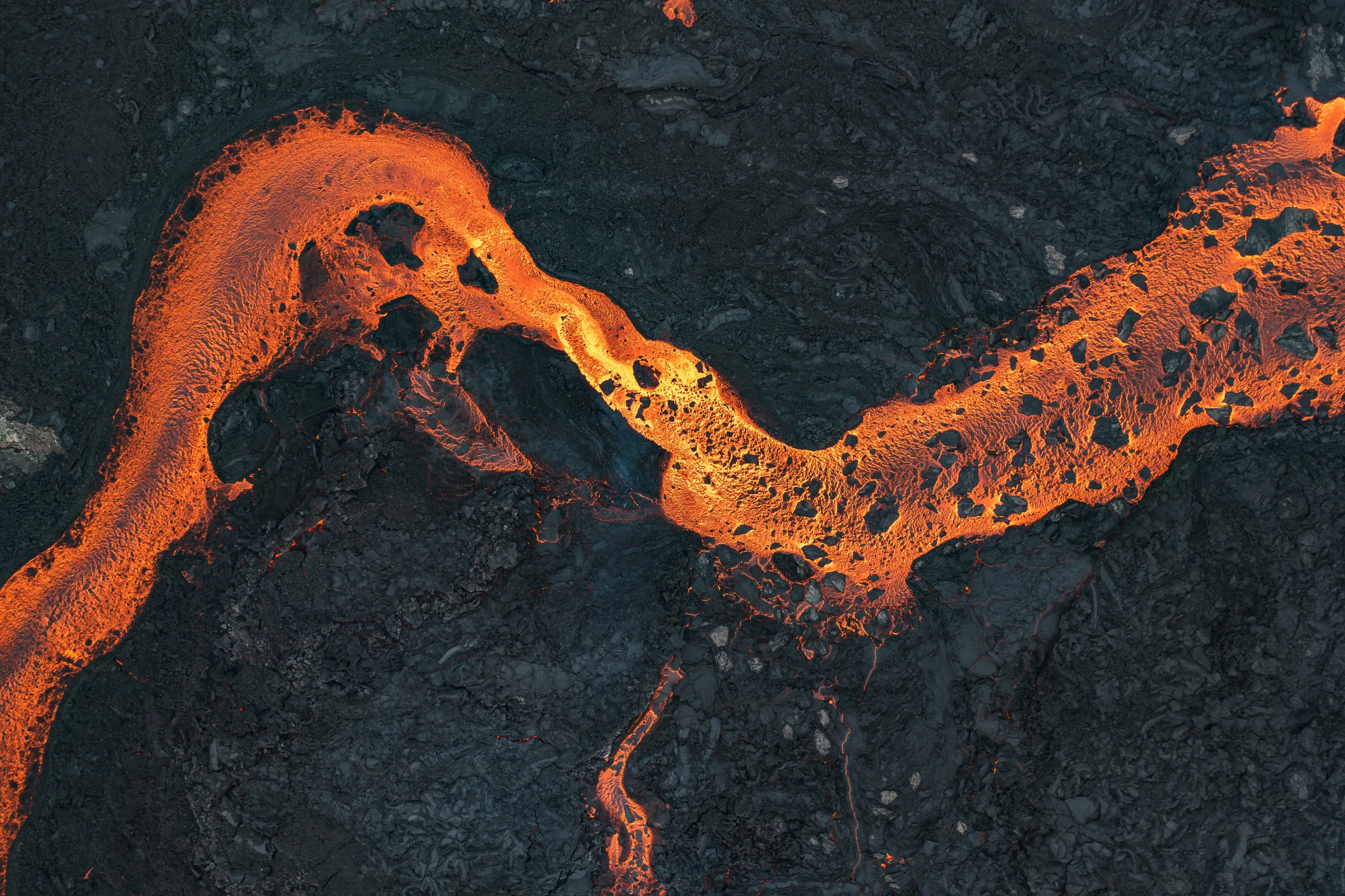
And there's one section in particular that they are interested in.
Dr Shuck said: "There’s a very large fault that’s actively breaking the [subducting] plate. It’s not 100% torn off yet, but it’s close.
"Once a piece has completely broken off, it no longer produces earthquakes because the rocks aren’t stuck together anymore."
It is hoped that the study will inform the study of geology across the globe, including in Baja California, where there are fragments of 'microplates', which may point to dying subduction zones.
Of course, while this process is happening quickly in geological terms, in our terms, this is a 'train wreck' which is happening over millions of years.
Topics: News, World News, Science
 Kit Roberts