unilad homepage
  • News
    • UK News
    • US News
    • World News
    • Crime
    • Health
    • Money
    • Sport
    • Travel
  • Film and TV
    • Netflix
  • Music
  • Tech
  • Features
  • Celebrity
  • Politics
  • Advertise
  • Terms
  • Privacy & Cookies
  • LADbible Group
  • LADbible
  • SPORTbible
  • GAMINGbible
  • Tyla
  • UNILAD Tech
  • FOODbible
  • License Our Content
  • About Us & Contact
  • Jobs
  • Latest
  • Archive
  • Topics A-Z
  • Authors
Facebook
Instagram
X
Threads
TikTok
YouTube
Submit Your Content
How to watch once-in-a-lifetime comet visible from Earth this month

Home> News> World News

Published 20:42 10 Jan 2025 GMT

How to watch once-in-a-lifetime comet visible from Earth this month

If you don't fancy it, you can always wait another 160,000 years

Gerrard Kaonga

Gerrard Kaonga

google discoverFollow us on Google Discover
Featured Image Credit: MARIANA SUAREZ/AFP via Getty Images / Getty Stock

Topics: Space, News

Gerrard Kaonga
Gerrard Kaonga

Gerrard is a Journalist at UNILAD and has dived headfirst into covering everything from breaking global stories to trending entertainment news. He has a bachelors in English Literature from Brunel University and has written across a number of different national and international publications. Most notably the Financial Times, Daily Express, Evening Standard and Newsweek.

Advert

Advert

Advert

Space is full of fascinating celestial bodies and all types of wonders and you might be able to catch an eyeful of one in a few days.

If, for some reason, you don’t know the names of every rock moving through the infinite vacuum of space, then you might have missed the upcoming news.

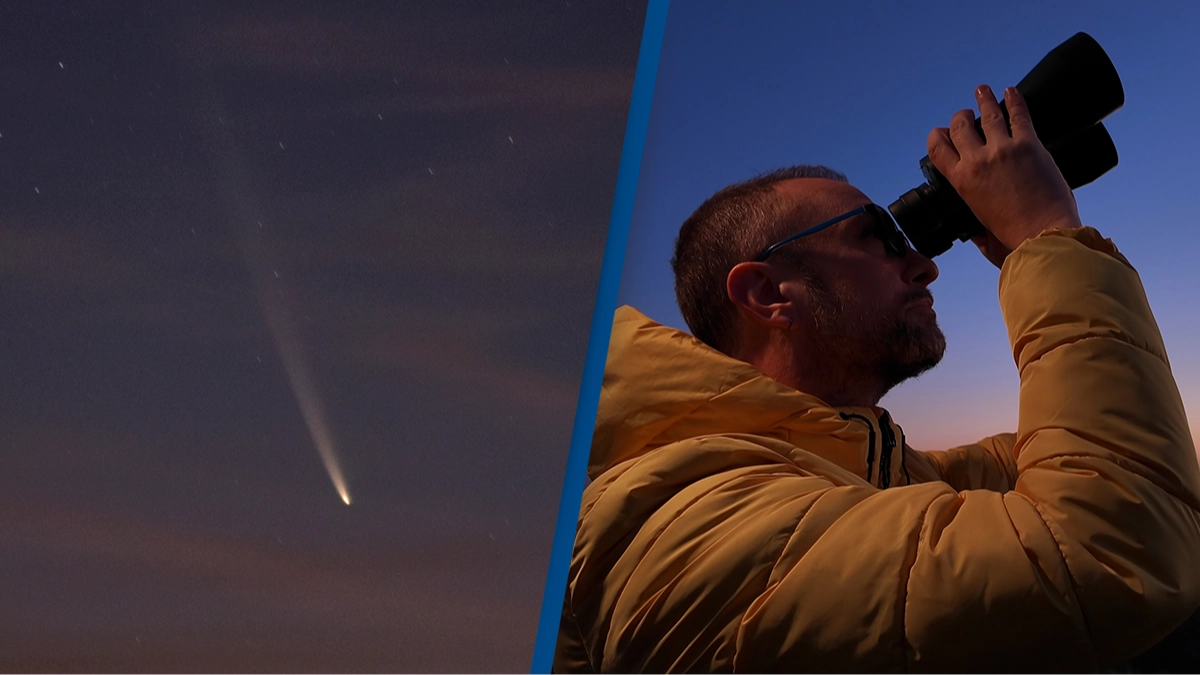
Comet G3 ATLAS (C/2024) is coming to town and you might be able to catch a glimpse of it. Now you shouldn’t feel too bad if the name doesn’t ring any bells, as it was only recently discovered.

Advert

It was discovered in early April 2024 and was the third comet found that month and identified by the facility Asteroid Terrestrial-impact Last Alert System (ATLAS), according to PEOPLE.

As for where it came from, Space.com reports that it's believed to have originated from Oort Cloud, which is comprised of millions of tiny icy objects estimated to be 10 trillion miles from the Sun.

However, seeing it in the night sky might be easier said than done, according to astronomers.
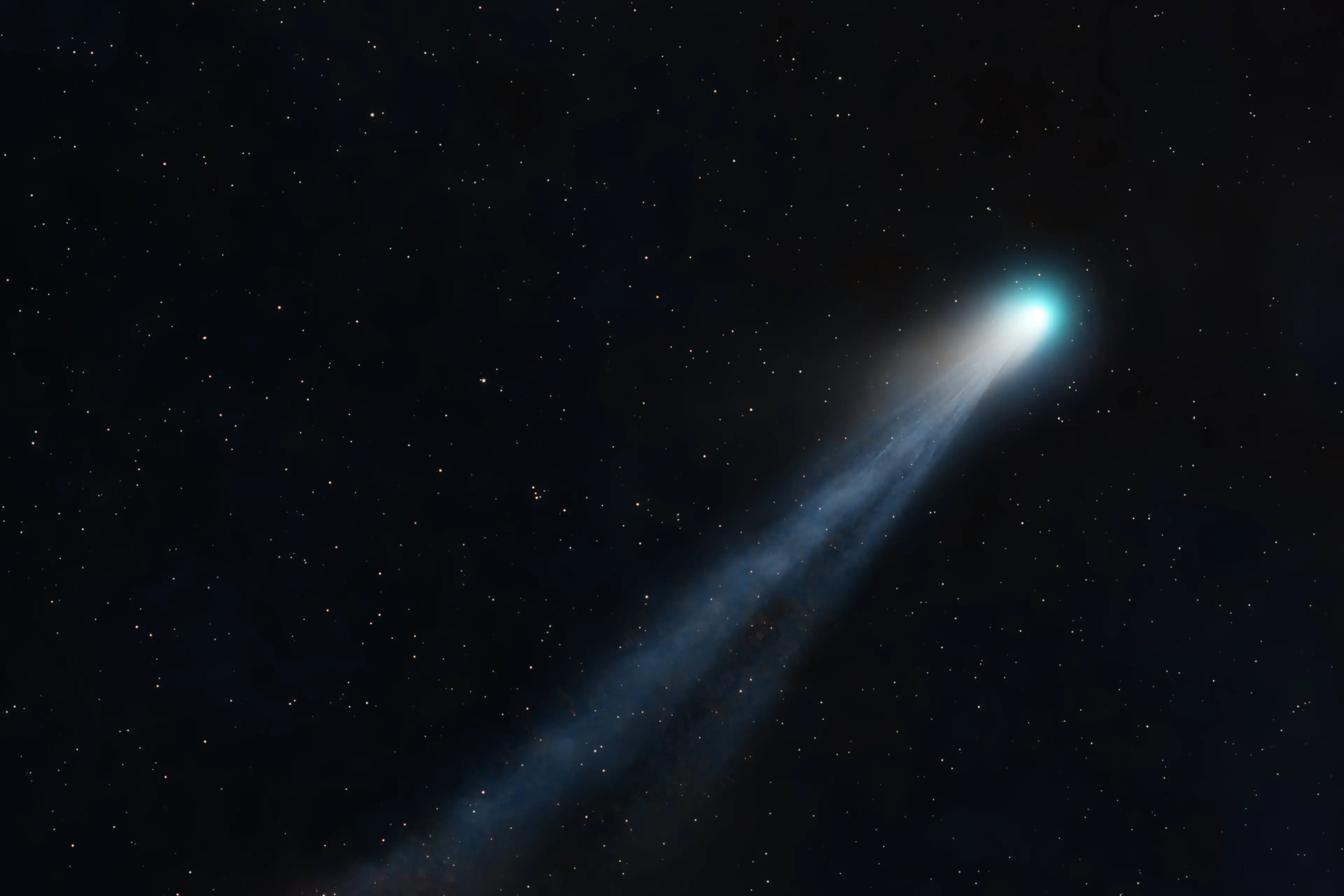
The comet is expected to appear brighter than venus (Getty Stock Image)

On January 13, the comet is expected to reach perihelion, which means its at its closest point to the Sun.

At this time, the comet will come within approximately 8.3 million miles of the Sun. The same day, it's also predicted to reach its closest point to Earth.

This time around, many more people can catch a glimpse of it in the clear sky using rather basic technology, binoculars or a telescope - and if visible, it'll look like a bright star with a white or golden color, Space.com says.

While both the Northern and Southern hemisphere will have a chance of viewing, the Southern will have an easier time spotting it.

According to the Sky and Telescope Organization, skywatchers in the Northern Hemisphere might have the ability to spot the comet 'extremely low in the southwestern sky' from about January 15 to 18.

According to the Planetary Society, some experts expect the comet to come apart as it ventures closer to the Sun, however, new research has indicated that this isn't Comet G3's first rodeo.
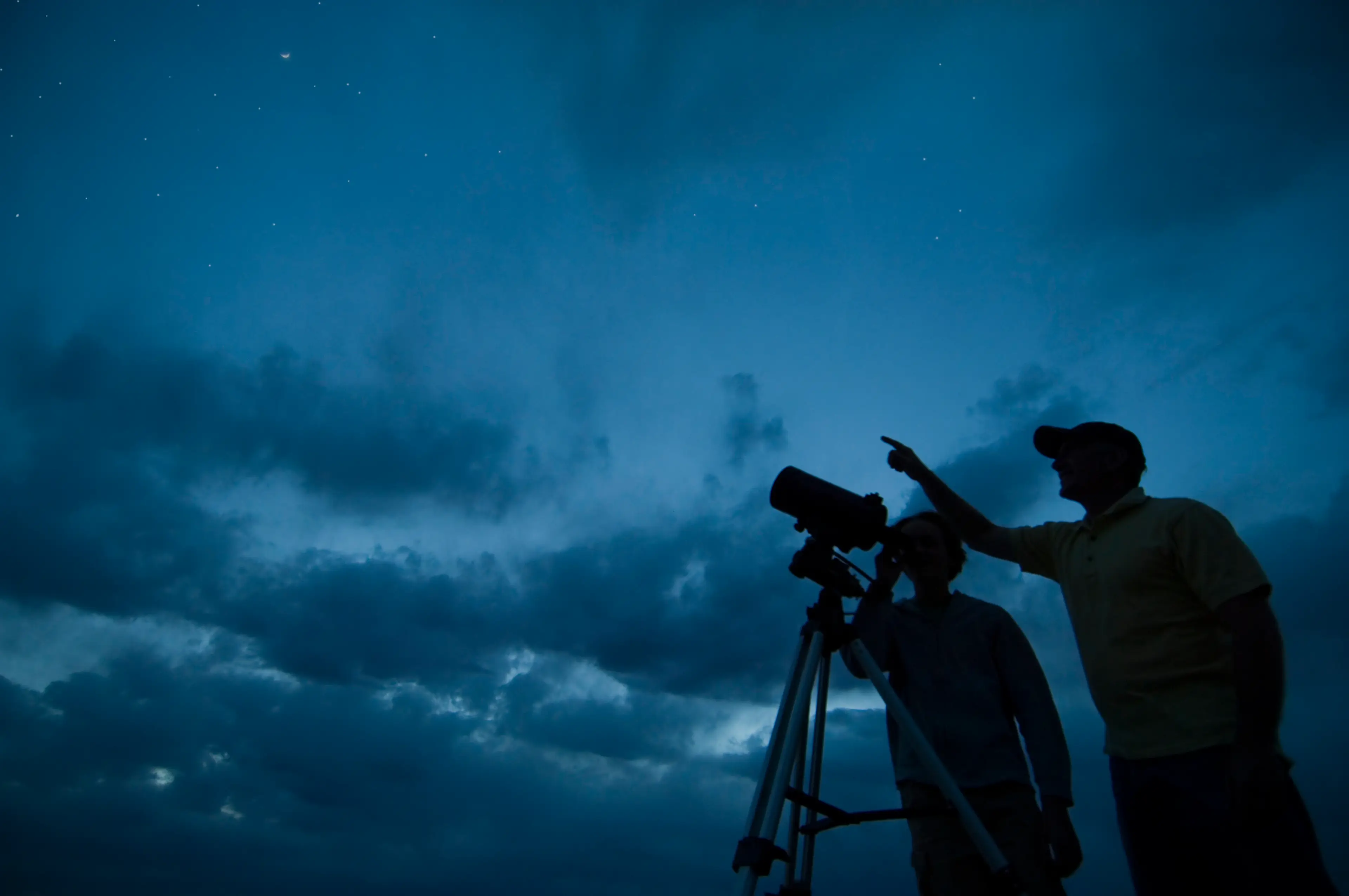
You should be able to spot it with rather basic technology (Getty Stock Image)

Data reveals that it's been estimated to be on a approximate '160,000-year orbit', so it's been on one hell of a journey.

This gruelling orbit also means that it's likely that the comet has ‘survived at least one close approach to the Sun before.’

While it's tough to predict a comet's visibility, Forbes reports that the comet is said to be shining at -4.5 magnitude, which is brighter than Venus.

And while some would interpret this as a bad sign, comet observer John Bortle told Space.com that 'unusual' features had been reported, such as a 'shadow of the nucleus' which is usually 'not a sign of disruption'.

"I think chances of its survival are about 50:50." Bortle added.

It's worth a shot at least.

Choose your content:

29 mins ago
an hour ago
  • Gary Hershorn/Getty Images
    29 mins ago

    Disney’s 3-2-1 rule explained as expert reveals three common visitor mistakes

    The viral rule for visiting Disney World parks could backfire

    News
  • Photo by Disney/Disney via Getty Images
    an hour ago

    Khloé Kardashian responds to backlash over billboard appearance

    Khloé Kardashian has been accused of going through an 'identity crisis'

    Celebrity
  • YouTube/LiveKellyandMark
    an hour ago

    Nikki Glaser's sassy response after underwear wardrobe malfunction on live TV

    Comedian Nikki Glaser's awkward slip took place on Live with Kelly and Mark

    Celebrity
  • Getty Stock Image
    an hour ago

    Doctor warns people taking common medication before sex that it could cause issues

    Issues in the bedroom can be down to a number of factors, including one of the most common drugs taken at this time of year

    News
  • 7 grim things that can happen to your body in space as Artemis II astronauts return to Earth
  • How to see rare planetary parade that will be visible this weekend
  • Space phenomena to watch out for this month after rare Blood Moon
  • Once-in-a-lifetime astronomical event is visible to naked eye this month