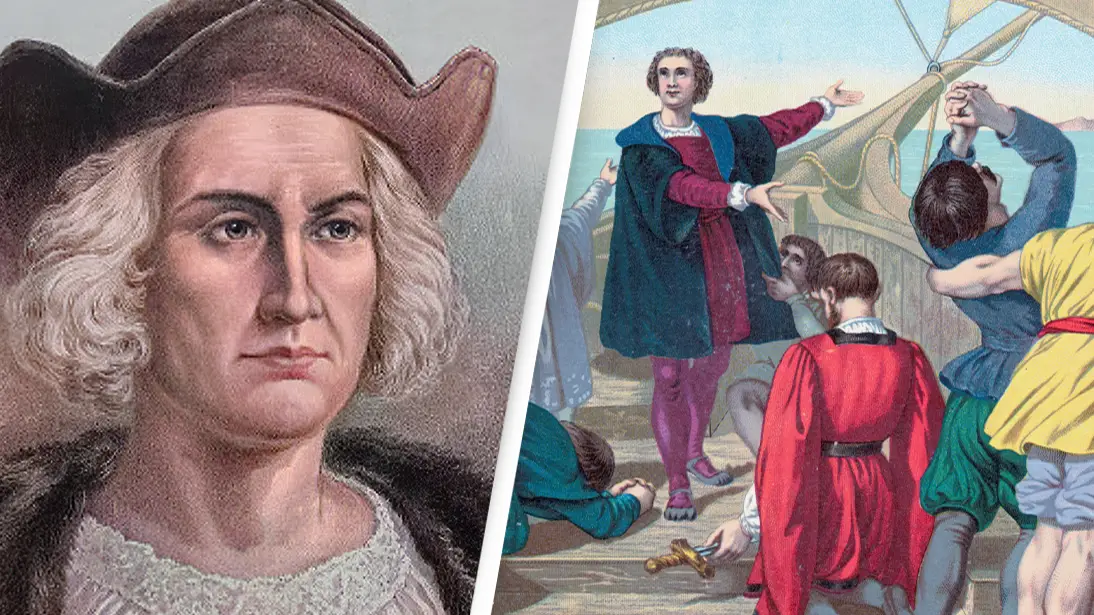
Scientists finally discover Christopher Columbus' origins in mind-blowing DNA analysis

A two-decade investigation into the origins of Christopher Columbus has concluded that the famed navigator may not have been a son of Genoa after all.
Columbus, a 15th-century globetrotter, is known for completing four Spanish-based voyages across the Atlantic Ocean as well as accidentally ‘discovering’ the ‘New World’ of North and South America in 1492.
A pivotal yet polarising historical figure, the voyager was thought to have been born in 1451 in Genoa, an independent republic on Italy’s northwest coast.
Advert
However, newly published evidence claims that Columbus may have actually been hiding his origins from the world - specifically, from his benefactors, King Ferdinand II of Aragon and Queen Isabella I of Castile.
The Spanish rulers, who personally funded the explorer’s expeditions, coincidentally issued the Alhambra Decree in the same year he ‘discovered’ the Americas.
The Alhambra Decree came shortly after Spain conquered the Nasrid Kingdom of Granada and ruled that all practising Jewish people should either convert to Catholicism or risk being expelled from the country.
Through new genetic research, it’s thought that Columbus could have hailed from the very same community that his devoted patrons were ridding their country of.
These DNA-driven results state that either the explorer was concealing his Jewish identity or had converted to Catholicism in secret to avoid religious persecution.
The findings of a 20-year investigation were announced during a special broadcast on the Spanish multi-station network RTVE.
The TV programme, titled Columbus DNA: The True Origin, was commissioned to coincide with the 532nd anniversary of Columbus’ arrival in the New World on October 12, 1492.
José Antonio Lorente, a forensic medical expert at the University of Granada, has led the research into the venturer’s true origins with historian Marcial Castro.
The pair headed to Spain’s Seville Cathedral, where they studied his bones and claimed they discovered Columbus’ DNA was ‘compatible’ with a Jewish origin.
“We have very partial, but sufficient, DNA from Christopher Columbus,” Lorente said, as per The Guardian.
“We have DNA from his son Fernando Colón, and in both the Y [male] chromosome and mitochondrial DNA [transmitted by the mother] of Fernando, there are traces compatible with a Jewish origin.
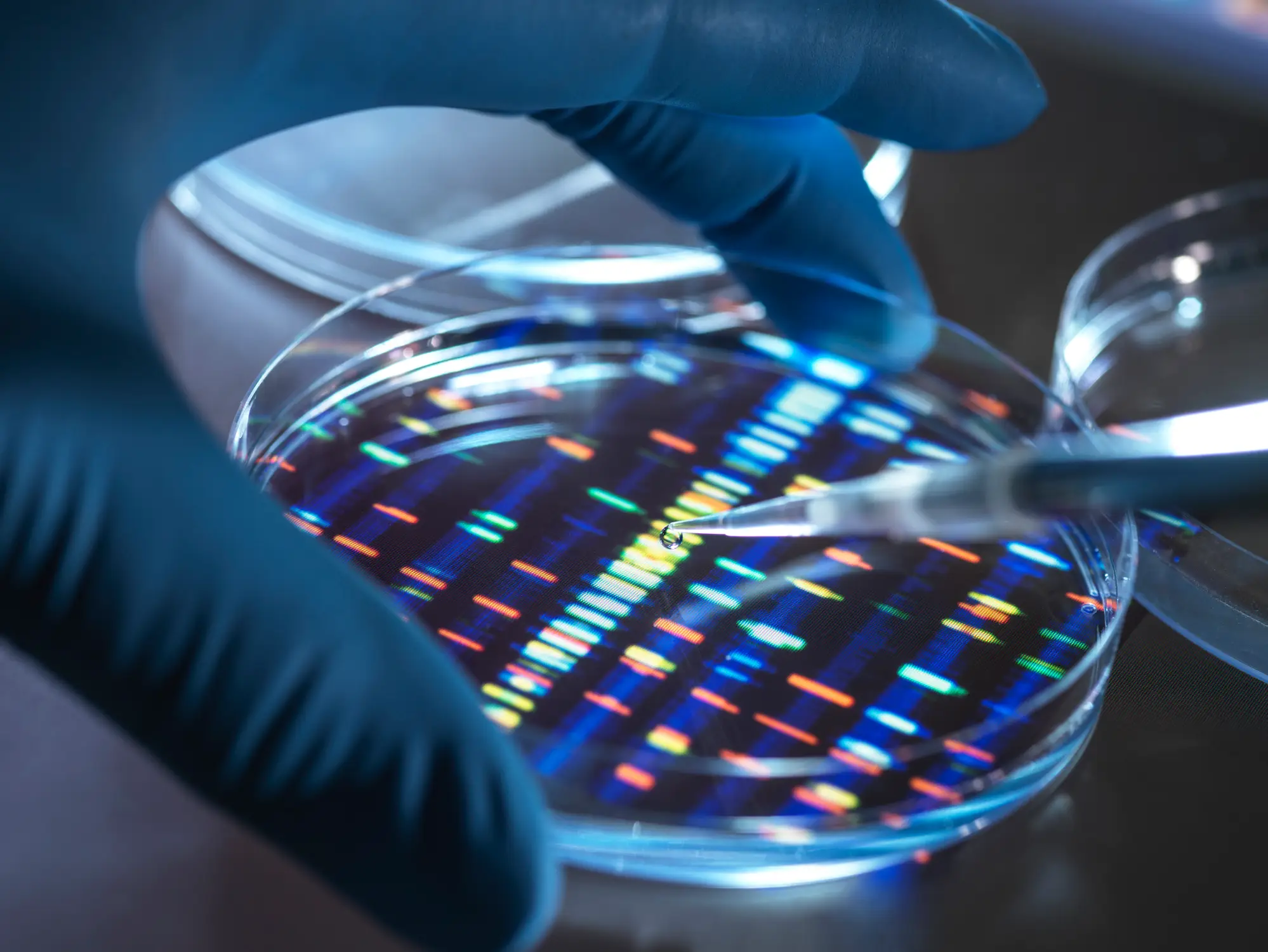
“The DNA indicates that Christopher Columbus’s origin lay in the western Mediterranean,” he continued. “If there weren’t Jews in Genoa in the 15th century, the likelihood that he was from there is minimal.
“Neither was there a big Jewish presence in the rest of the Italian peninsula, which makes things very tenuous.”
Lorente has also ruled out Sicily as Columbus’ hometown, claiming he would have been written ‘with some trace of Italian or the Sicilian language’.
“That all means that his most likely origin is in the Spanish Mediterranean area or the Balearic islands which belonged to the crown of Aragón at the time,” he concluded.
Over the years, there have been 25 conflicting theories regarding Columbus’ birthplace, as per the BBC.
These include Poland, Great Britain, Greece, Portugal, Hungary and Scandinavia.
Topics: History, Science, World News, Spain
 Ella Scott