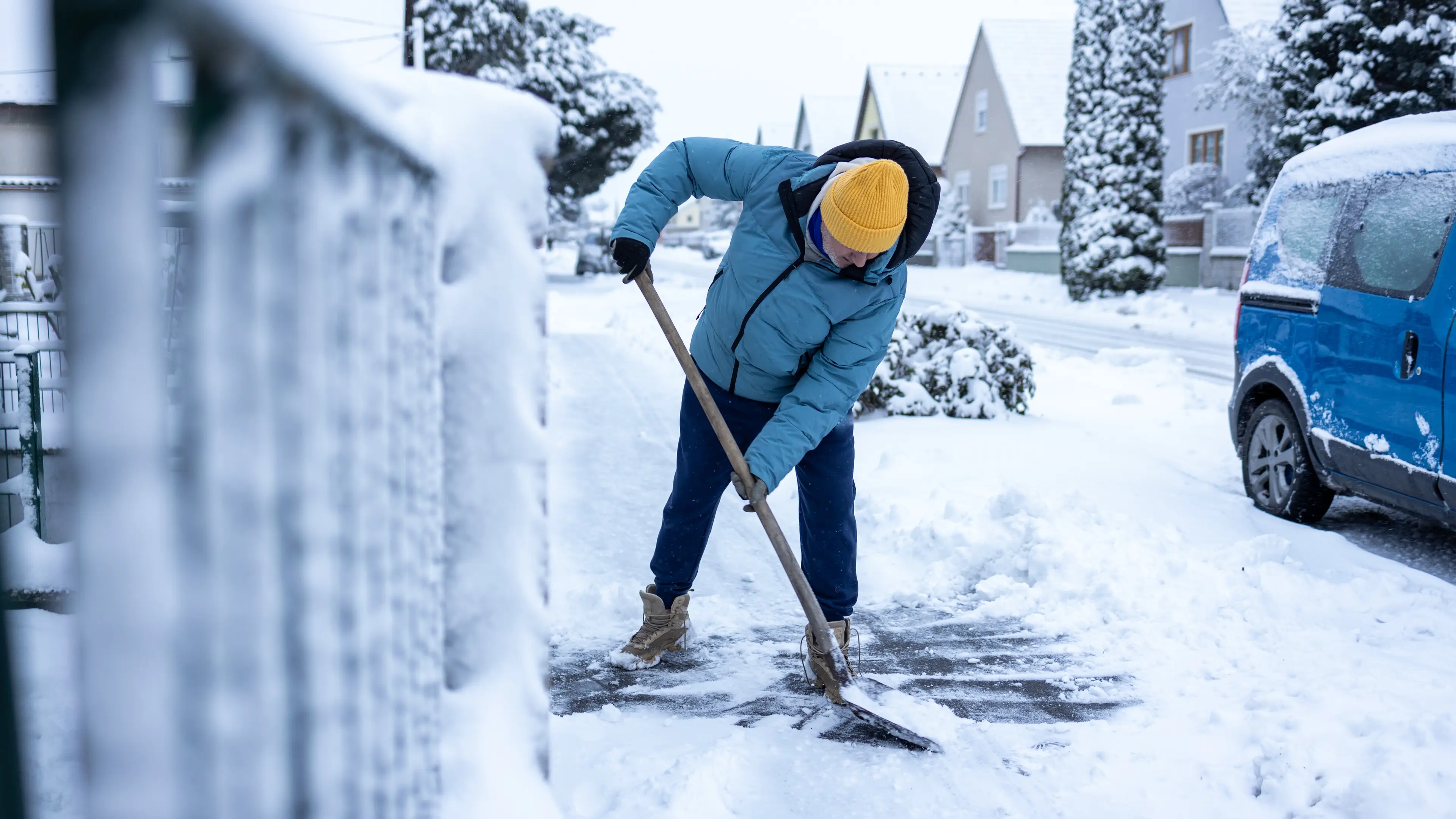
Shocking reason why so many people drop dead while shoveling snow

An expert has issued a warning as they revealed the reason why so many people seem to have health emergencies while shoveling snow.
At this time of year, many of us are tasked with having to clear a driveway full of snow in order to get about our day and make the entrance to our homes safer.
But did you know that for some people, shoveling snow can actually be quite dangerous?
In fact, emergency rooms actually know to prepare themselves for more cases of heart attacks and other vascular issues when there's been heavy snow.
Advert
So what's the connection? Well, it may surprise you.
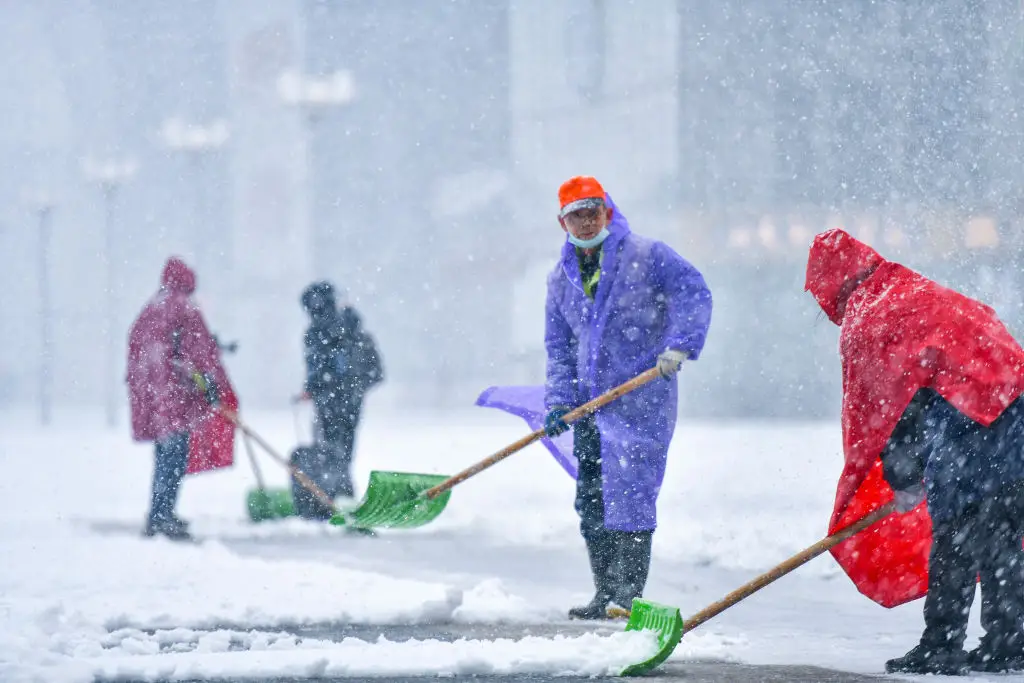
Harvard Health explains that people who shovel snow often exercise rarely.
"Picking up a shovel and moving hundreds of pounds of snow, particularly after doing nothing physical for several months, can put a big strain on the heart," it explains.
Cold weather can also exacerbate the situation because it can 'boost blood pressure, interrupt blood flow and make blood more likely to form clots'.
Lawrence Phillips, a cardiologist at NYU Langone Medical Centre, explained what happens further.
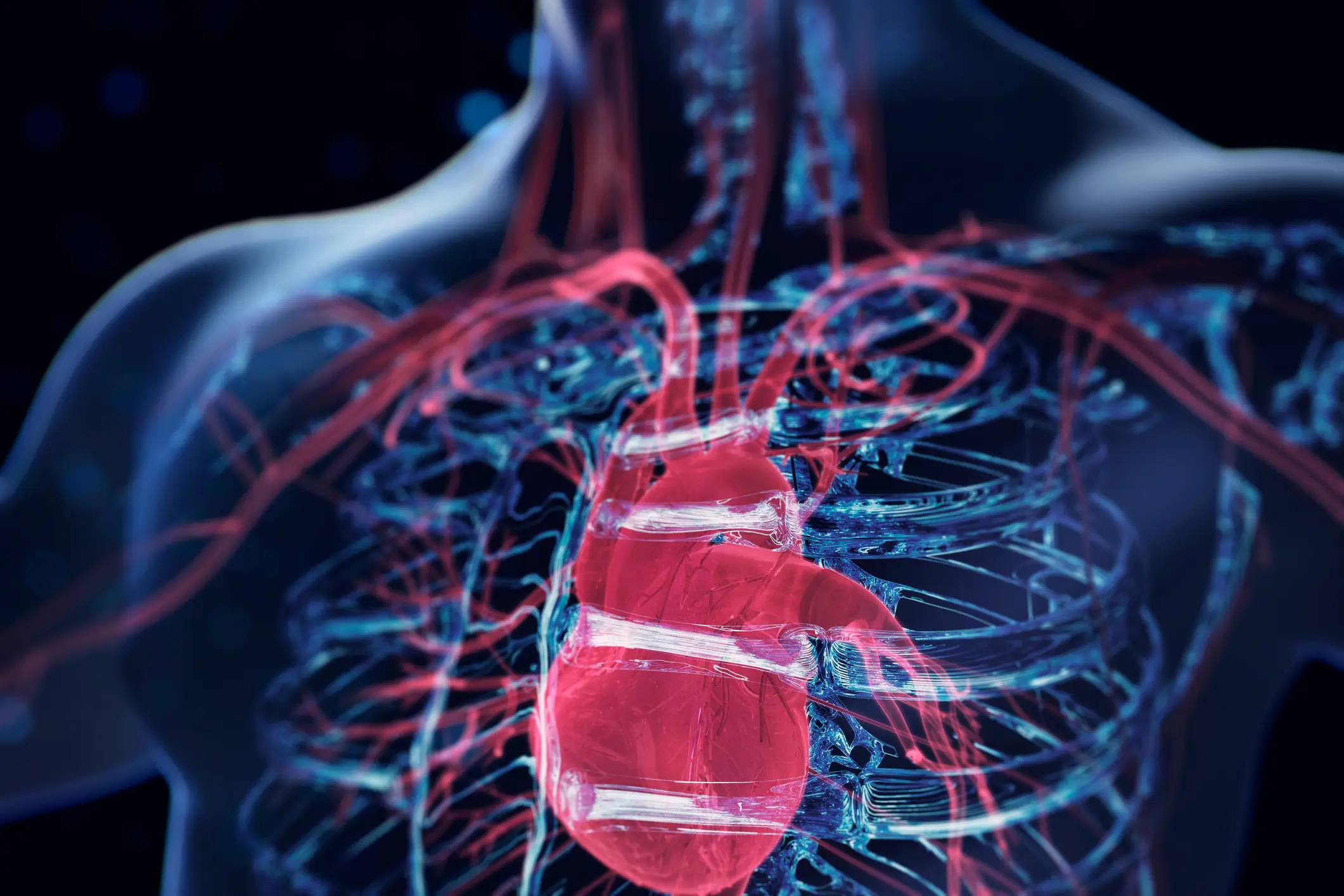
He told The Independent: “Physically, what happens when you get really cold is you have constriction of the blood vessels.
“It decreases the blood supply you're getting to your vital organs.”
Phillips added that if you haven't been exercising, shovelling snow certainly isn't the way to start.
“If you haven't been exercising and you haven't been exerting yourself, this is not the time to start,” he added.
“The amount of work that goes into shoveling snow is tremendous.
"People will underestimate the amount of work they are doing.”
Phillips explained that with shoveling being a 'goal-orientated' activity, it can be harder for people to judge when to stop.
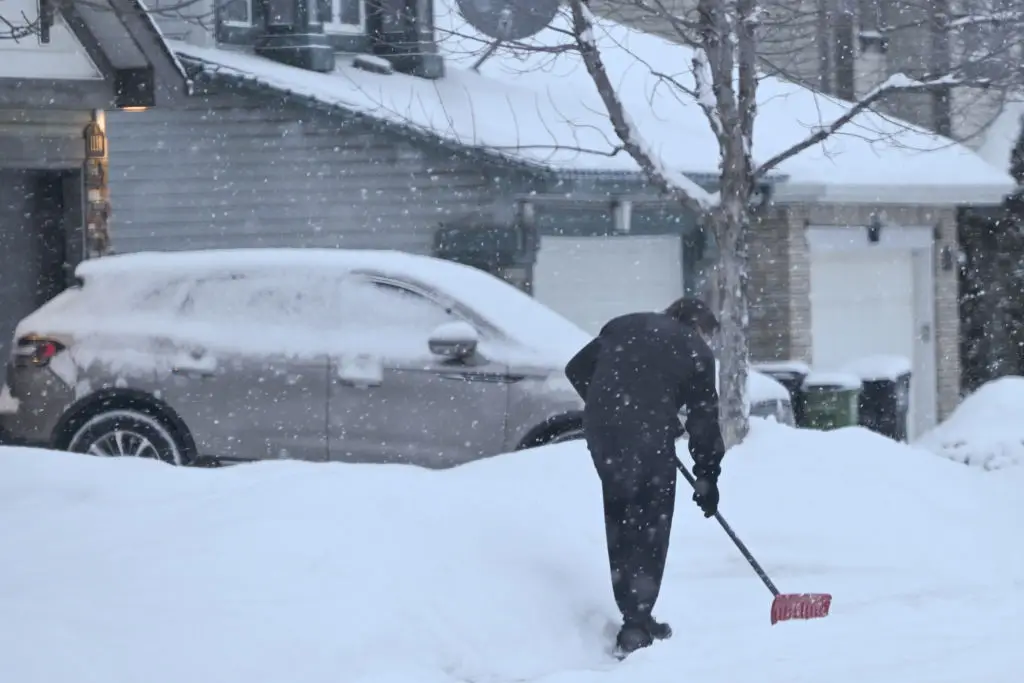
Harvard Health has revealed some tips if you must shovel snow. It explains it's best to:
- Warm up your muscles before you begin
- Shovel lighter loads instead of heavy ones
- Take regular breaks
- Drink lots of water
- Don't be pressured to clear every inch of snow
- Head inside if your chest starts hurting, you feel lightheaded or short of breath, your heart starts racing, or some other physical change makes you nervous.
If you are concerned about any unusual symptoms, it's important to seek medical help straight away. Symptoms of a heart attack can include:
- Chest pain
- Pain or discomfort that spreads to the shoulder, arm, back, neck, jaw, teeth or sometimes the upper belly
- Cold sweat
- Fatigue
- Heartburn or indigestion
- Lightheadedness or sudden dizziness
- Nausea
- Shortness of breath
 Lucy Devine