People left 'extremely disturbed' after discovering what Halloween Jack O'Lanterns originally looked like

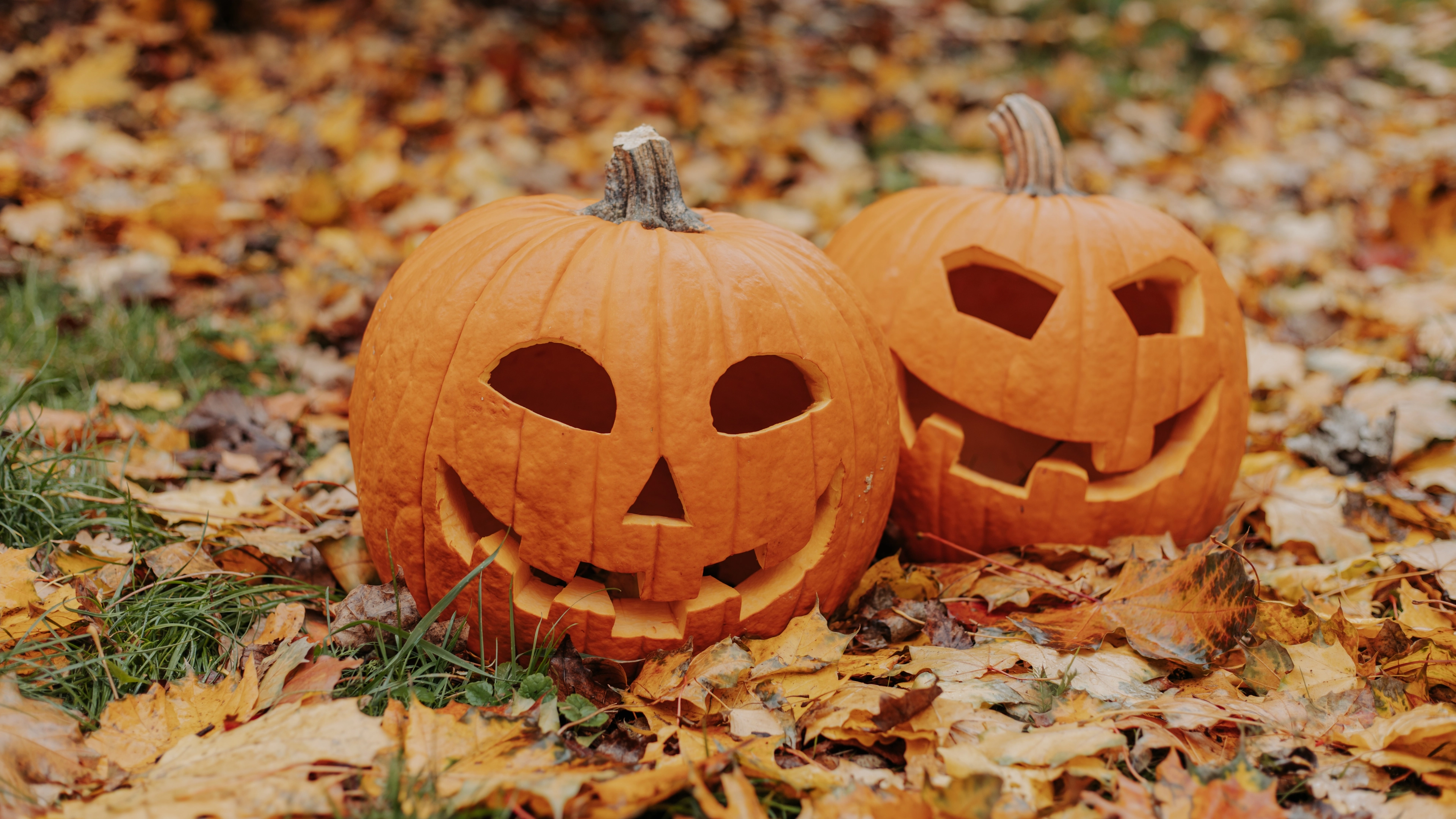
Pumpkins may be the go-to Halloween decoration across the US today, but the original Jack O’Lanterns looked nothing like the ones that line porches every October.
Long before the tradition reached America, people in Ireland were carving their lanterns from a very different vegetable.
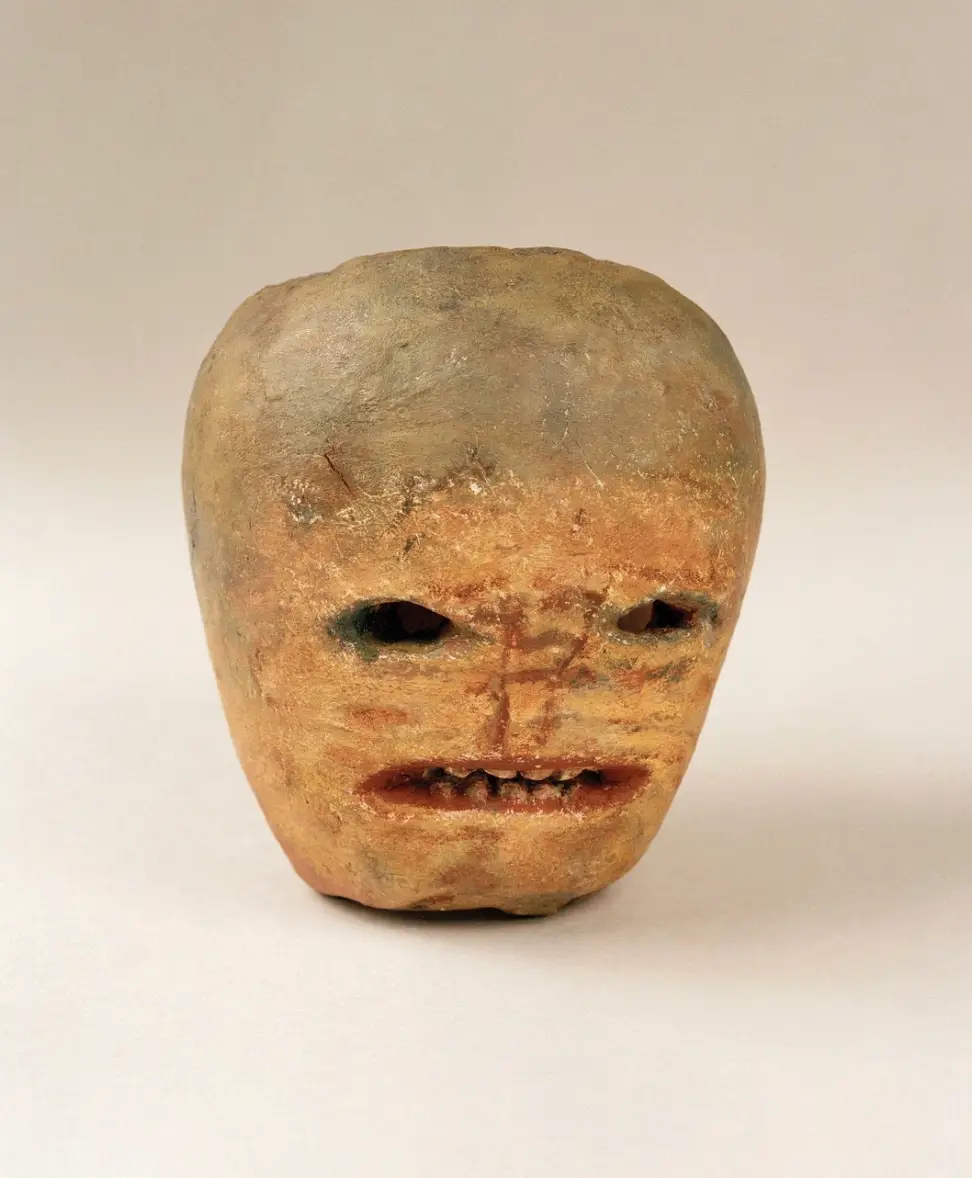
According to the National Museum of Ireland, people carved turnips into creepy faces to keep evil spirits away.
Advert
The creations were part of Oíche Shamhna, or Samhain, the ancient Celtic festival that marks the end of the harvest season and the start of winter.
It was also when the barrier between the living and the dead was believed to be weakest.
“Candles were placed inside the turnips and they were used to frighten people on the night of 31 October,” the museum's website explains.
Potatoes and beets were also used, with people in Ireland and Scotland placing the carved faces beside their homes to ward off spirits.
Images of carved turnips have also been shared on X, where one user explained where the tradition comes from.
“A reminder that the original jack o’ lanterns date back to 18th century Ireland if not earlier, were based on a shady boozy blacksmith called Stingy Jack who cheated the devil & was trapped between 2 worlds, were carved from turnips and looked like this,” they wrote, alongside photos of carved turnips.
Where does the name Jack O’Lantern come from?
The museum has also explained the story behind the name of the Jack O’Lantern.
“The term, Jack o’ Lanterns, takes its name from the folktale about Jack, who was welcome neither in Heaven or Hell and was destined to wander the countryside forever, with just a lantern to light the way,” the museum wrote.
According to the legend, the devil tossed Jack a burning coal, which he placed inside a hollowed-out turnip to light his way.
He became known as ‘Jack of the Lantern’, which later became Jack O’Lantern.
Why do Americans carve pumpkins instead of turnips?
The museum still holds an example of the older tradition: a 19th-century turnip lantern from Fintown in County Donegal, which was part of a display at the Museum of Country Life in County Mayo.
The museum’s records show the lantern was donated in 1943 by a schoolteacher in Fintown, who said nobody was making that type of lantern anymore.
As for the switch to pumpkins, IrishCentral reports that Irish and Scottish immigrants who brought the custom to America found that pumpkins, which are native to the country, were ideal for carving.
Pumpkin Jack O’Lanterns have been part of Halloween festivities ever since.
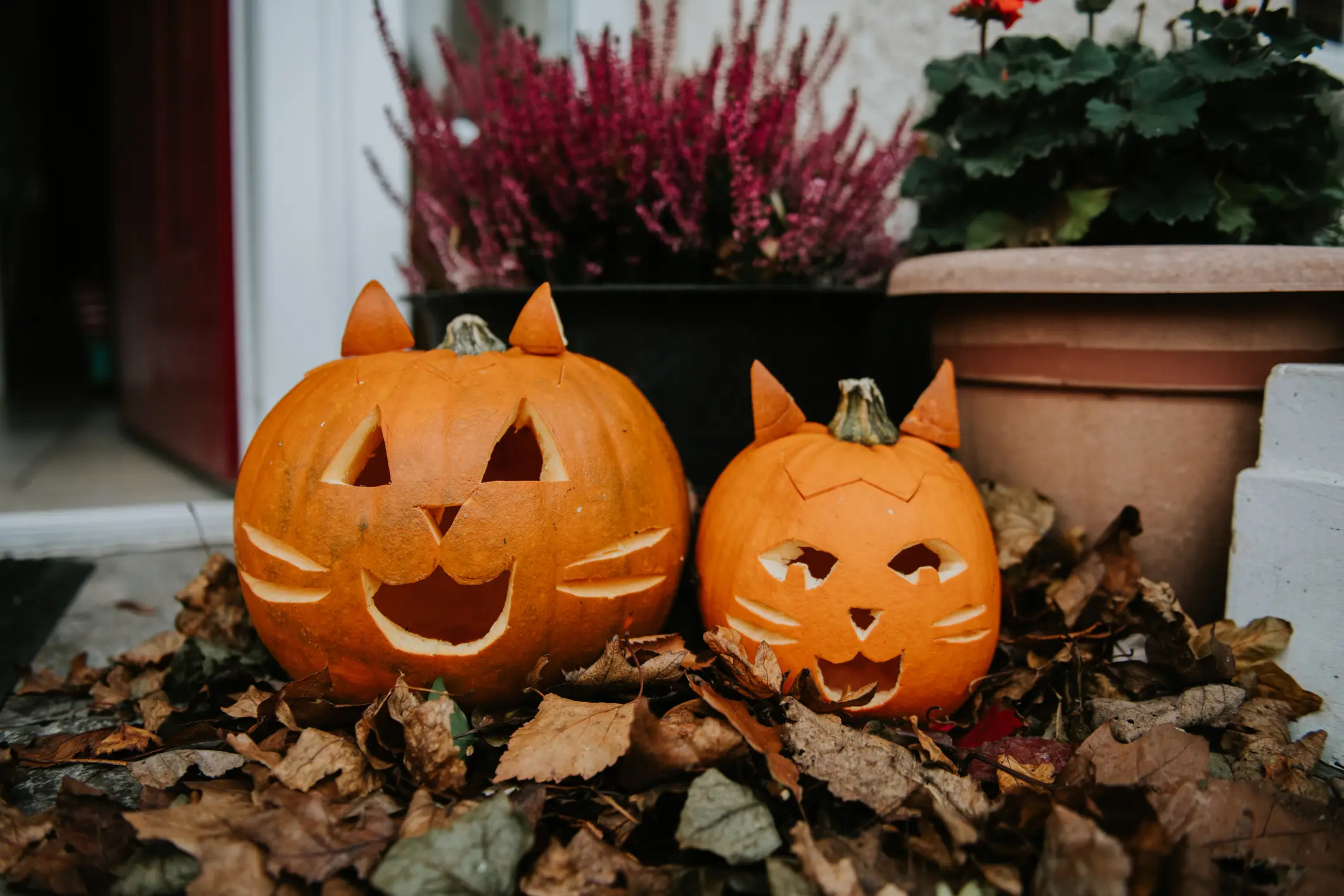
Basically, the US took the idea, swapped the rock-hard turnips for pumpkins, and made it a lot less traumatising.
As for the name, it comes from the eerie Irish folktale of Jack - 'who was welcome neither in Heaven nor Hell and was destined to wander the countryside forever, with just a lantern to light the way'.
If Jack’s lantern looked anything like those creepy turnips, we get why he’s still wandering.
 Thomas Bamford