Everything you need to know as Trump signs executive order to change marijuana law in the US

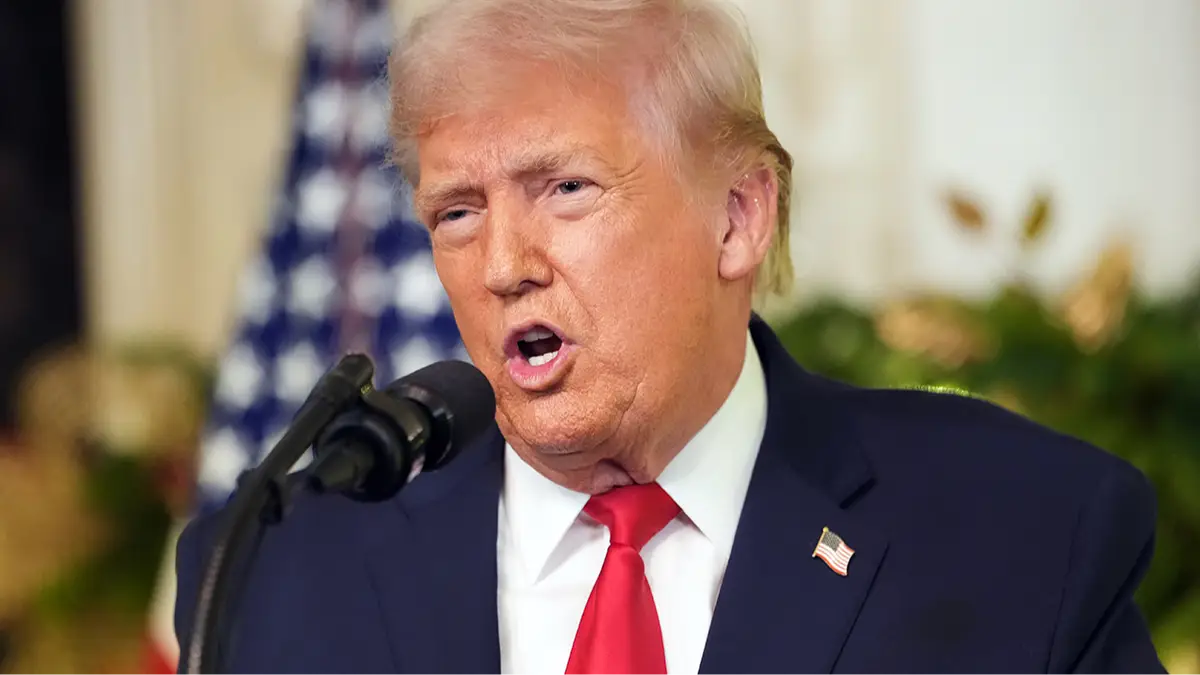
Donald Trump signed an executive order on Thursday that effectively ended more than 50 years of drug policy, with the president directing federal agencies to treat cannabis the same as Tylenol.
The change in federal policy will see weed become a Schedule III substance, a major move from its current Schedule I status, which puts cannabis on the same level as cocaine and heroin.
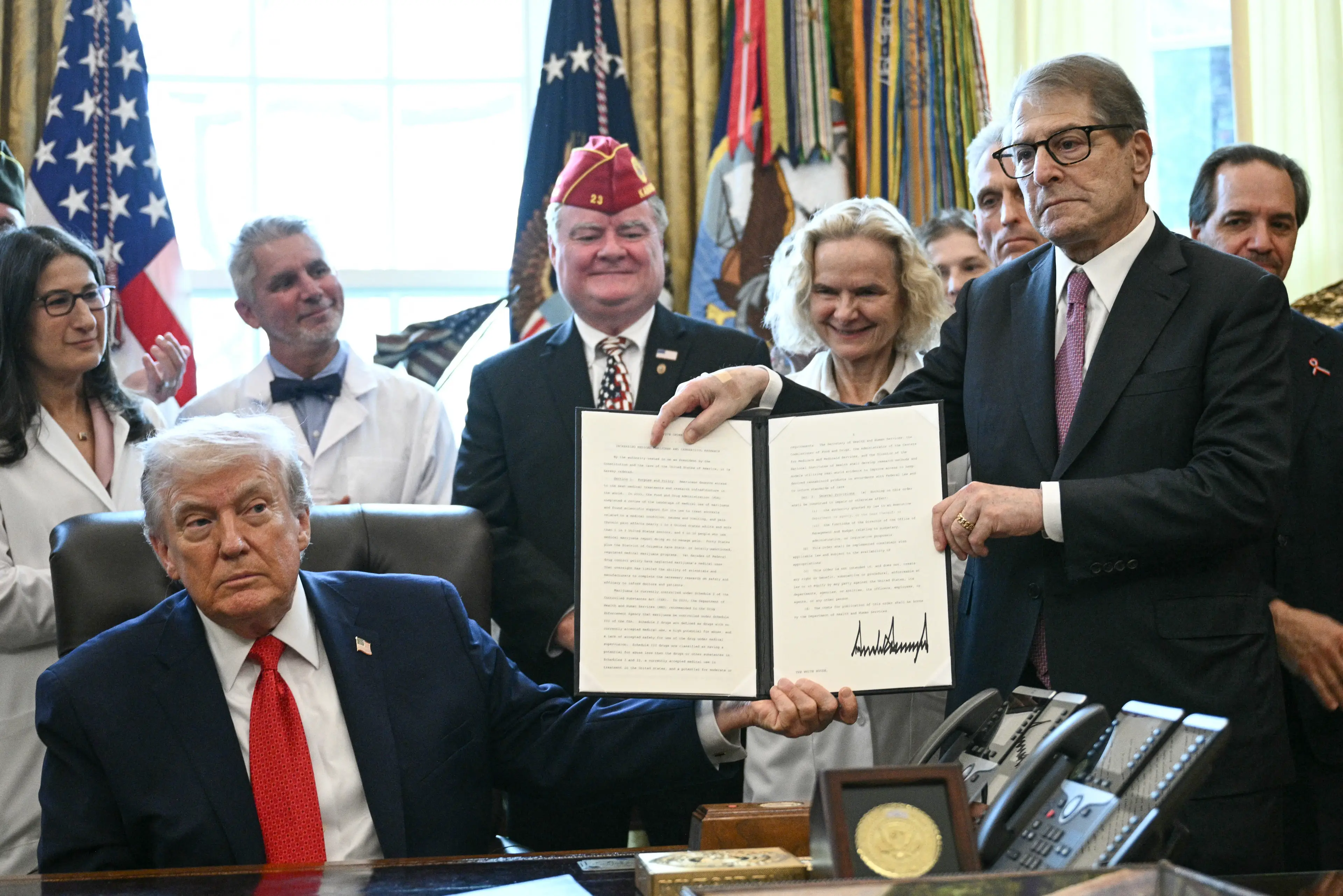
“I’m pleased to announce that I will be signing an Executive Order to reschedule marijuana from a Schedule I to a Schedule III controlled substance with legitimate medical uses,” Trump said in the Oval Office, as he ended the war on weed that started 55 years ago under President Nixon.
The order will not immediately reclassify the drug, instead it directs the US Attorney General to change cannabis' classification 'in the most expeditious manner'. This will mean that the Justice Department and Drug Enforcement Administration (DEA) can complete the long-awaited change as quickly as possible.
Advert
But despite almost half of US states allowing the recreational use of cannabis, this move will not legalize weed across America. You can find out more about what this major change in drug policy will mean for stoners everywhere below.
What does Trump’s marijuana law say?
President Trump's lengthy executive order titled 'Increasing medical marijuana and cannabidiol research' begins with the statement: "Americans deserve access to the best medical treatments and research infrastructure in the world."
It then goes on to point out facts that have been known at the state level for some time, that chronic pain is a widespread issue in society and many sufferers already rely on cannabis-derived products to help manage their condition.
Despite this, federal policy since 1970 has been to treat cannabis as highly addictive and of no medical use.
The order then points out: "That oversight has limited the ability of scientists and manufacturers to complete the necessary research on safety and efficacy to inform doctors and patients."
It then explains that the executive order is necessary to expedite the legal status of cannabis, after the Justice Department ruled in May, 2024 that the substance should be rescheduled. This ruling required hearings to be held over the reclassification, which this order should remove the need for.
Trump's executive order also expanded on which forms of cannabis should be regarded as having a medical use, with cannabidiol (CBD), tetrahydracannabinol (THC), and hemp-derived products all being viewed as having potential medical uses.
The order also directs the Attorney General to update definitions of cannabis products so that products containing CBD, the part that doesn't get you high, will be easier to develop and sell to the public. It could also see the rules relaxed on the levels of THC - the part that does get you high - in these CBD products.

What’s the difference between Schedule I and Schedule III drugs?
Cannabis has been a Schedule I substance since 1970, meaning that the government believed it had 'a high potential for abuse', 'no currently accepted medical use' and a 'lack of accepted safety.'
Other Schedule I drugs include cocaine, heroin, DMT, LSD, MDMA, magic mushrooms, and GHB.
Moving weed to a Schedule III will put it on the same level as Tylenol and ketamine. But the change does not make it legal and there will still be restrictions on its use.
The law still regards weed as having the 'potential for abuse', just at a lower level than drugs like heroin. It also accepts that the drug has valid medical and research purposes, but that its use "may lead to moderate or low physical dependence or high psychological dependence"
Under the change, cannabis products will be available on prescription from a licensed medical practitioner, but such prescriptions will have to be renewed every six months, or per five refills.
What will change under the new law?
Recreational use of cannabis will still be illegal when Trump's executive order has its effect, so you won't just be able to blaze it up if your state does not already allow it. In fact, it does nothing to change how law enforcement agencies handle weed arrests.
Trump said as he signed the bill that the change 'in no way sanctions its use as a recreational drug.'
The reclassification will instead make scientific research into the benefits of cannabis products easier, and the businesses trying to take advantage of the green gold rush more profitable.
These changes could take some time to take effect, but signals a major sea change in the government's view of cannabis and its potential future as a standardized treatment for conditions like anorexia and chemotherapy-induced nausea.
Speaking to The Tennessean, State House Speaker Cameron Seton (R) explained: “There will have to be conversations about who manufactures it, who tests it, who distributes, which medical illness could it be used for, does this require FDA approval and a host of other questions,"
Topics: Donald Trump, Drugs, Health
 William Morgan