What historian who discovered Jack the Ripper's 'true identity' said about it after DNA breakthrough

A historian and investigator claims to have discovered definitive proof regarding the identity of Jack the Ripper, the purported serial killer whose unsolved murders have captivated true crime sleuths for over a century.
Historian Russell Edwards is claiming, with DNA evidence, that the identity of Jack the Ripper is actually one of Scotland Yard's main suspects from the time, 23-year-old Aaron Kosminski - and the author has given a definitive statement on this discovery.
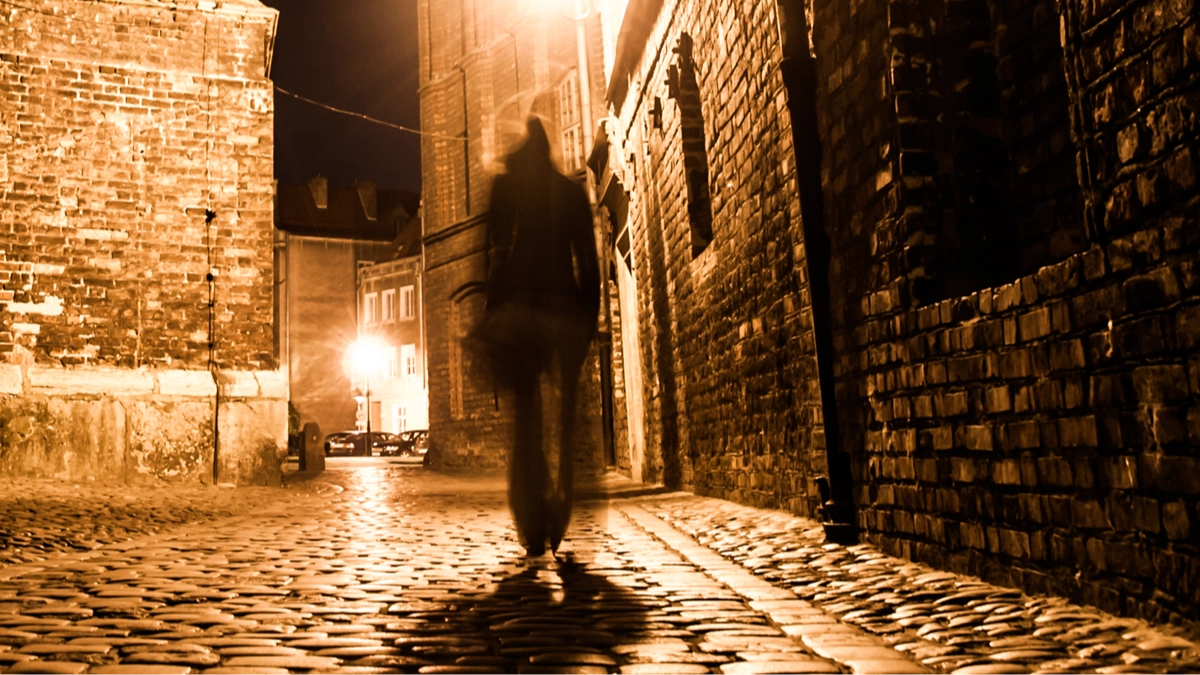
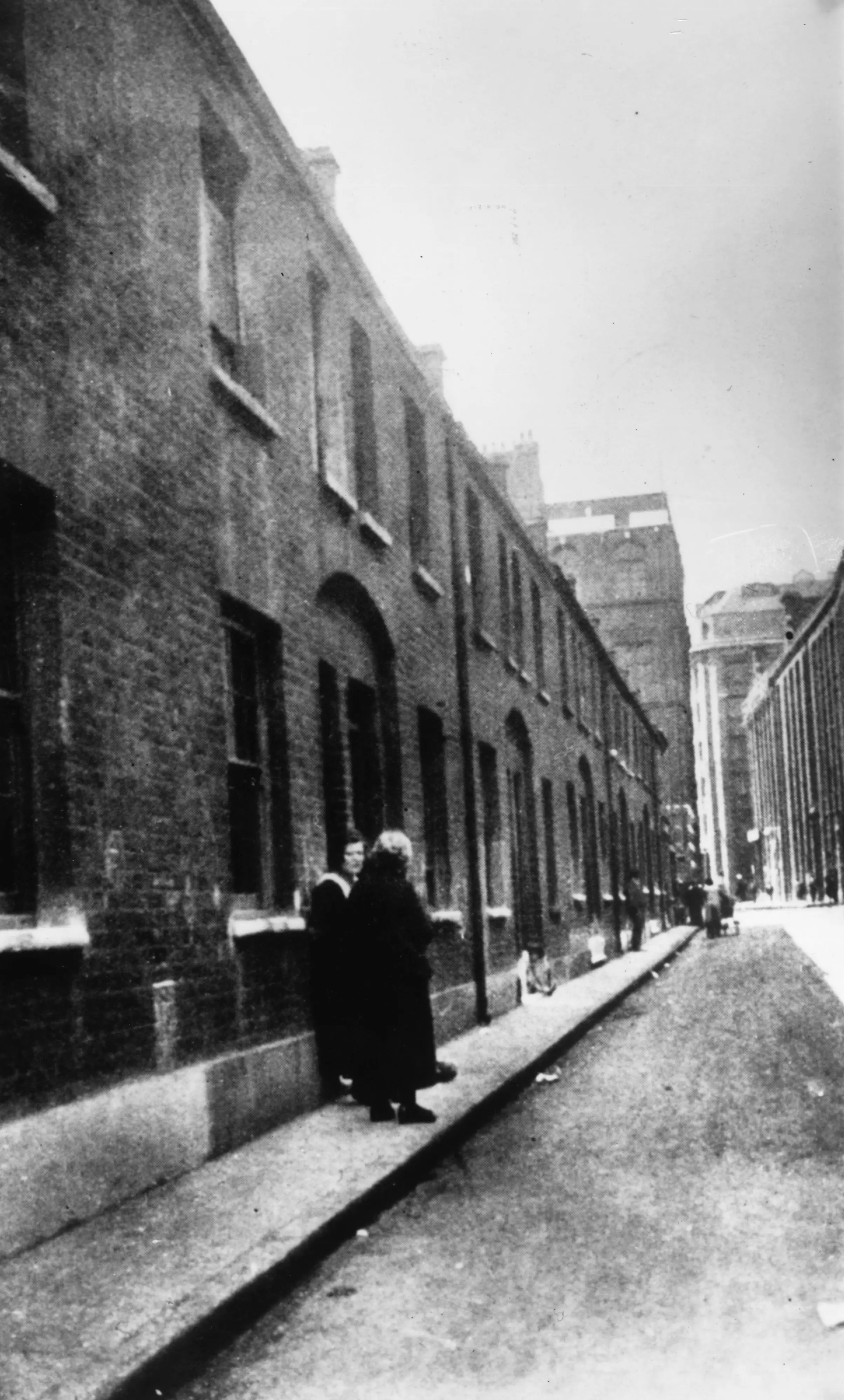
The British killer is thought to have stalked the Whitechapel area of London's East End in the late Victorian period, a time when Irish and Jewish migrants flooded into the area due to pogroms and starvation at home.
This led to widespread homelessness and poverty in the overcrowded and run-down part of the British capital, with scenes of violence, theft, and prostitution regarded as the norm for anyone walking through the area.
Advert
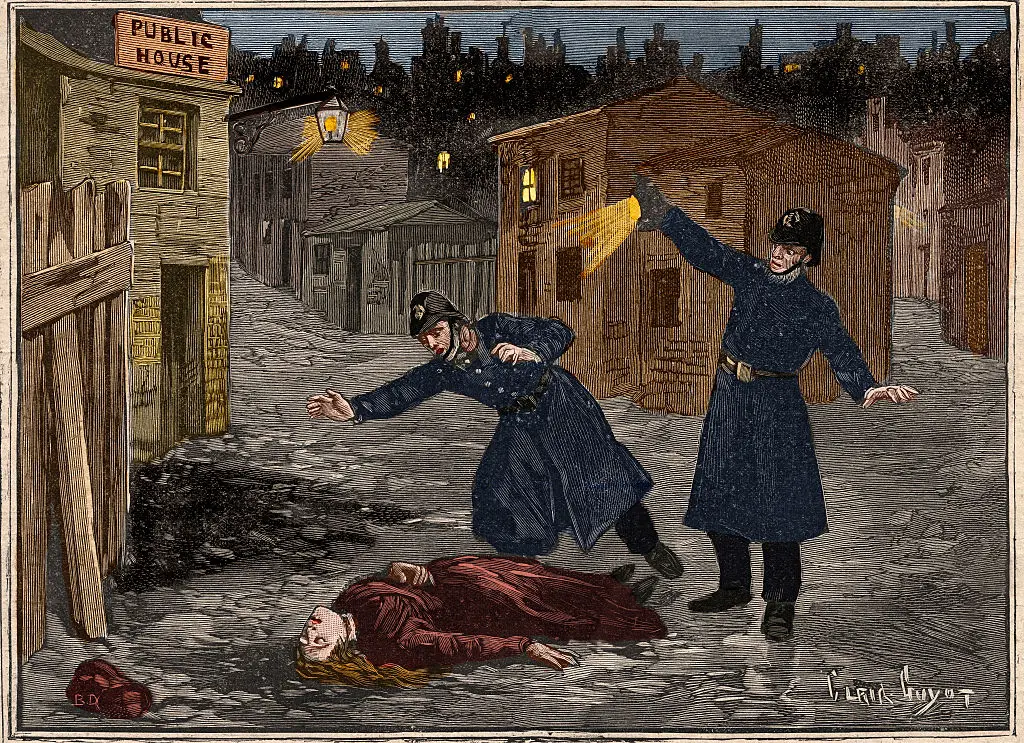
Whitechapel became Jack the Ripper's feeding ground and the area's prostitutes his victims, with five women killed in the latter half of 1888 seen as his 'canonical victims'.
Their names were Elizabeth Stride, Mary Jane Kelly, Mary Ann Nichols, Annie Chapman and Catherine Eddowes.
This brutal killer largely targeted sex workers and earned his nickname from the press by mutilating his victims, disembowelling them and often removing their organs.
All five of his known victims were found within months of each other, but police and the public at the time feared that the unidentified killer had carried on his grim crimes for years. A further six potential bodies were found over the next three years, but no conclusive evidence was discovered.
What Edwards' new claim over Jack the Ripper's identity has that previous assertions don't is DNA evidence. In 2007, the historian purchased a shawl belonging to Catherine Eddowes, found at the scene of her murder.
After spending years analysing the nine foot long fabric and identifying blood from Eddowes and other DNA, Edwards then tested the great-great-granddaughter of Kosminski's older brother to see if Victorian police had been onto something.
After finding a mitochondrial DNA match with a historic suspect, Edwards was definitive about his results. “Oh, without a doubt, 100% it’s him,” he told NewsNation.
Kosminski worked as a barber in the Whitechapel area, after fleeing to a new life in England from Poland. However, he did not escape his demons entirely, dying in a mental asylum with schizophrenia in 1919.
Edwards was astonished at the lack of police interest in the shawl, which had sat in a cabinet for years before he had purchased it.
137 years after the death the 'canonical five', it does not seem like the Met Police are much bothered by his findings.
He said: “They’ve never knocked on the door. And when we originally did this, they certainly weren’t interested. It’s curious that they sort of just not bothered.”
However, forensic DNA expert Jarrett Ambeau has poured cold water on Edwards' '100%' match, telling News Nation that mitochondrial DNA testing 'doesn’t have the kind of power to identify someone individually that nuclear DNA has, or cellular DNA'.
He also added that any DNA on the shawl would have seriously degraded in the intervening century, and that anyone could have touched the fabric in the century since Eddowes' death.
Topics: True crime, History, London
 William Morgan