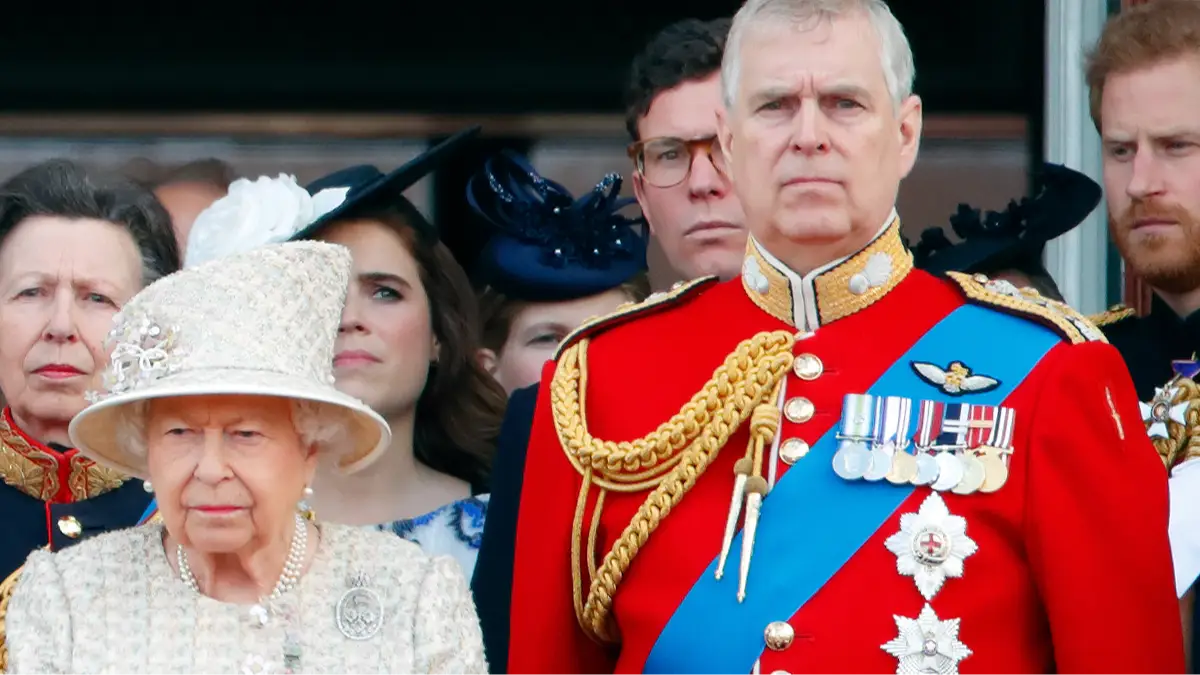
How Andrew's name could change again following request from late Queen after losing 'prince' title

Andrew Mountbatten Windsor could see another name change after being stripped of his royal titles last month.
On October 30, Buckingham Palace released a statement confirming that King Charles III had relinquished Andrew's royal titles and styles.
The announcement came after the former prince had released his own statement, which stated his decision to give up his titles following a 'discussion with the King'.
The decision was made following new allegations surrounding Andrew's former association with convicted paedophile Jeffrey Epstein, though Andrew has continuously denied all the accusations against him.
Advert
Following the removal of his titles, he can no longer style himself 'His Royal Highness'; he is now reintroduced to the public as Andrew Mountbatten-Windsor, and he will be vacating the Royal Lodge, where he had been living with his ex-wife, Sarah Ferguson, and move to 'alternative private accommodation'.
Now, it has emerged that due to a request from the late Queen Elizabeth II, Andrew's name may change again.
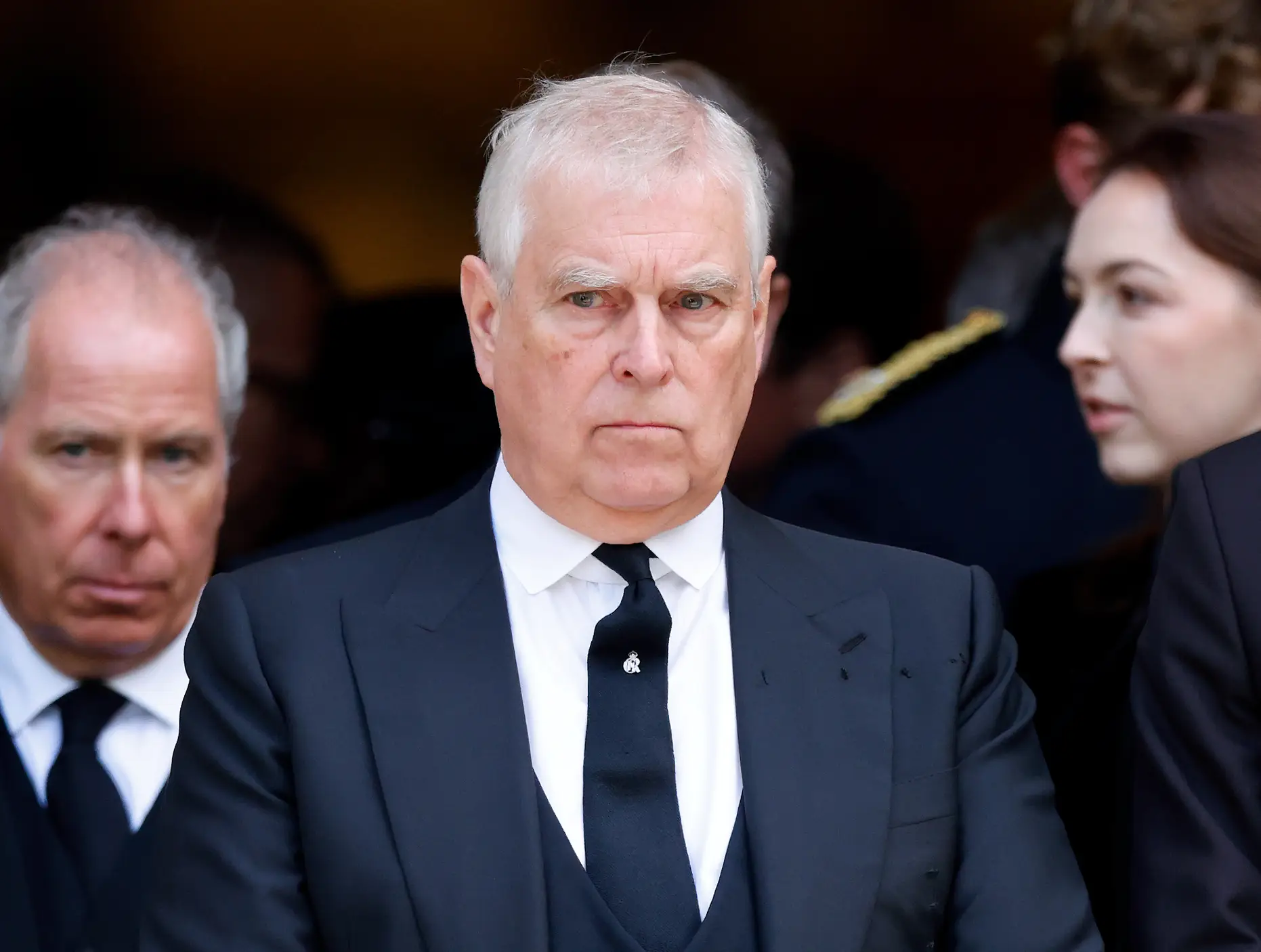
This is because the double-barrelled surname is usually written with a hyphen in the middle as 'Mountbatten-Windsor'. The precise spelling originates from a Privy Council order by Queen Elizabeth II regarding the name her descendants should take.
It read: "Now therefore I declare My Will and Pleasure that, while I and My children shall continue to be styled and known as the House and Family of Windsor, My descendants other than descendants enjoying the style, title or attribute of Royal Highness and the titular dignity of Prince or Princess and female descendants who marry and their descendants shall bear the name of Mountbatten-Windsor."
This means that anyone who is not a prince, princess, or Royal Highness has to use the name Mountbatten-Windsor as written here, so it's possible that Andrew may need to change the name again to include the hyphen.
While Windsor is the royal house, the name Mountbatten was included from the late Queen's husband, Prince Phillip.
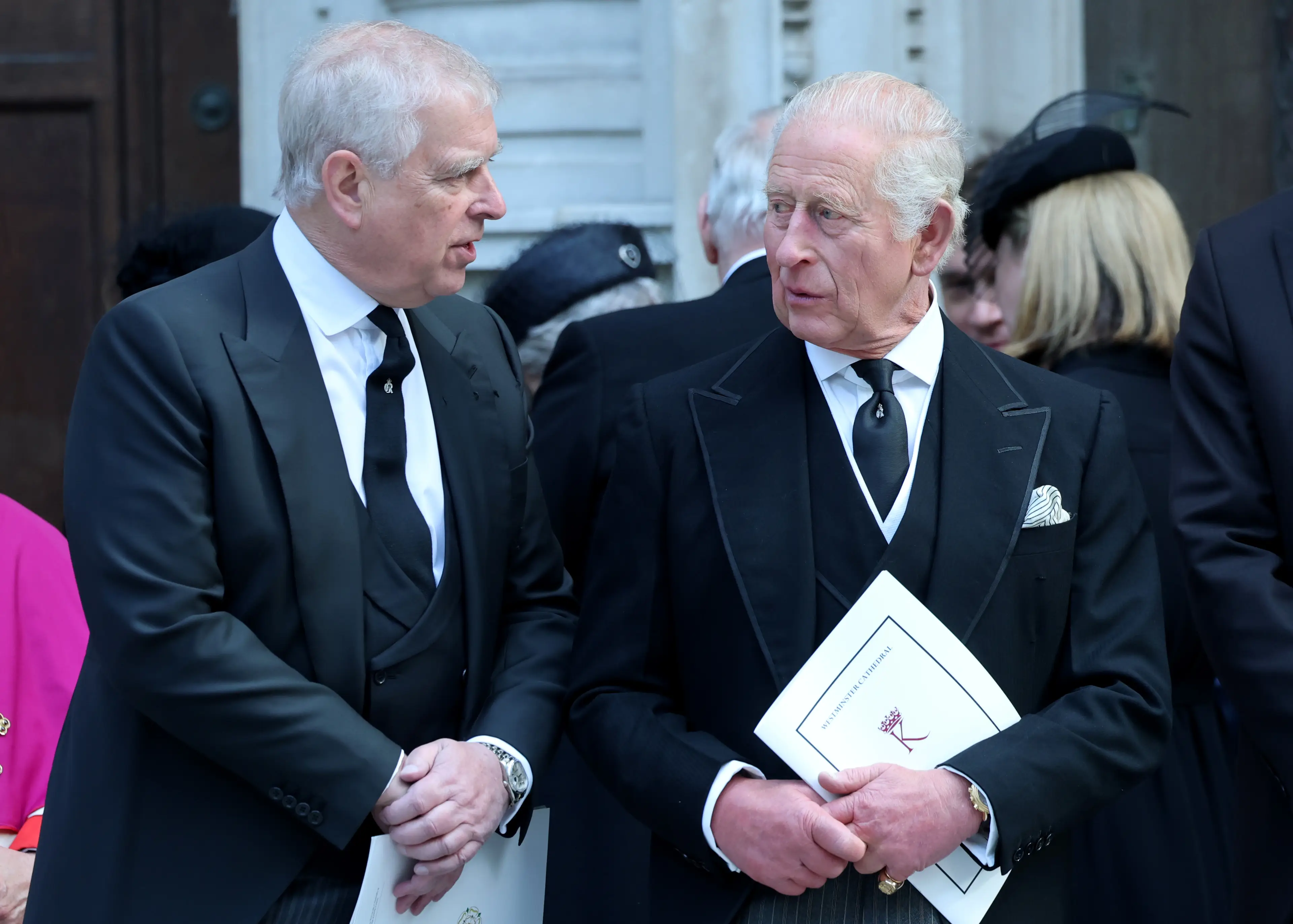
Andrew himself was born days after the declaration around the hyphenation was signed, making him the first royal baby to be born with the name.
According to GB News, official documents, such as Princess Anne's marriage certificate to her first husband, Mark Phillips, show the usage of the hyphen within the royal family, as she referred to as Anne Elizabeth Alice Louise Mountbatten-Windsor.
The name Windsor itself is the result of a historic name change in the royal family.
In 1917, the family name was changed to Windsor, after Windsor Castle, from Saxe-Coburg and Gotha, due to anti-German sentiment in the UK during World War I.
Topics: News, Prince Andrew, Royal Family, UK News
 Kit Roberts