Winter Olympics athlete kicked out of competition because of helmet he was wearing

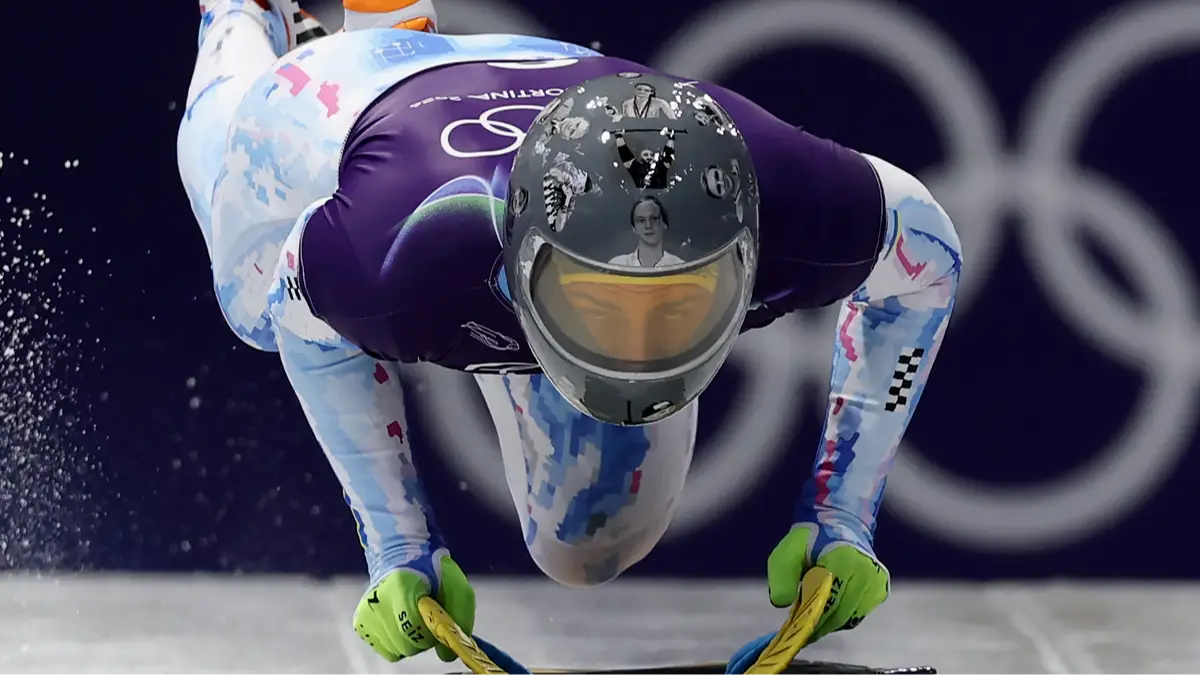
A Ukrainian athlete has been banned from the Winter Olympics after planning to compete in a prohibited helmet.
Skeleton pilot Vladyslav Heraskevych could be seen during his training runs before the competition today wearing the helmet, and was told by the International Olympic Committee (IOC) that the headwear is banned.
However, Heraskevych continued to wear it.
The helmet in question features the images of athletes killed during Russia's invasion of Ukraine, and the IOC says it did not comply with the Guidelines on Athlete Expression.
Advert
Haraskevych yesterday (11 February) thanked his supporters in light of the controversy around his helmet.
He wrote online: “I want to thank everyone for all the support we’re receiving. There really is an incredible amount of it.
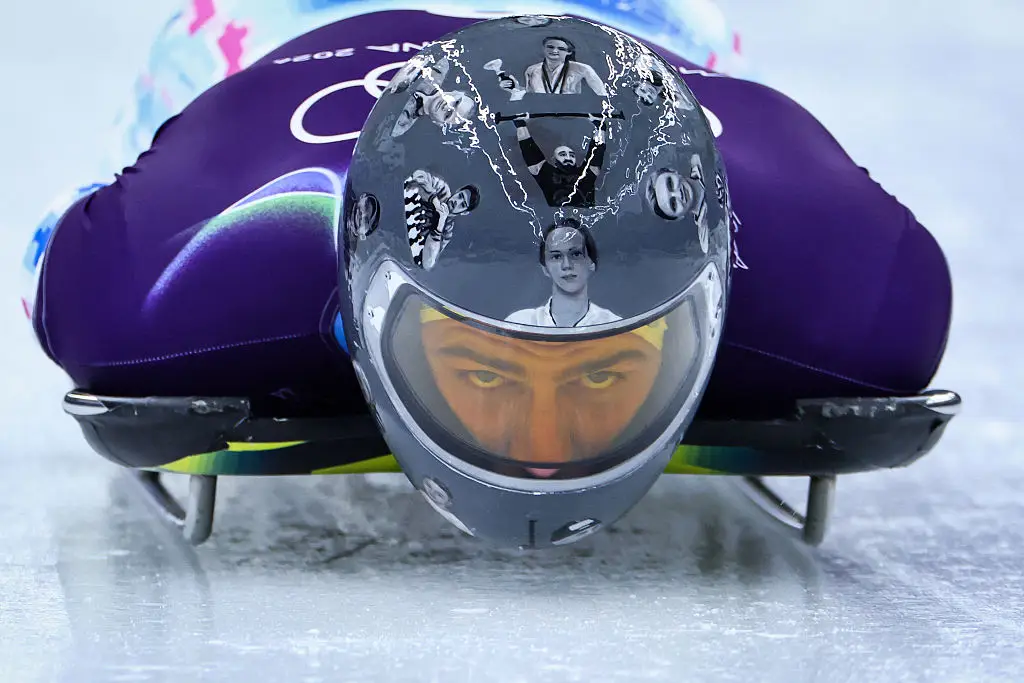
“For me, the sacrifice of the people depicted on the helmet means more than any medal ever could - because they gave the most precious thing they had.
"And plain, simple respect toward them is exactly what I want to give.”
The athlete was told the helmet ‘does not comply’ with the Olympic Charter and that he could not wear it, according to a statement from the IOC.
Even the IOC president, Kirsty Coventry, is said to have visited him in the morning to persuade him against wearing it, but the IOC claimed he ‘did not consider any form of compromise’.
Its statement said: "The IOC was very keen for Mr Heraskevych to compete. This is why the IOC sat down with him to look for the most respectful way to address his desire to remember his fellow athletes who have lost their lives following Russia's invasion of Ukraine.
"The essence of this case is not about the message, it is about where he wanted to express it."
Heraskevych went on to release a response to the controversy, writing on social media that 'this is price of our dignity'.
He told BBC Sport: "I could be among the medallists in this event, but suddenly because of some interpretation of the rules which I do not agree with, I am not able to compete while other athletes in the same situation were able to compete, and they didn't face any sanctions."
The IOC said the vote to ban him was ‘taken by the jury of the International Bobsleigh and Skeleton Federation (IBSF) based on the fact that the helmet he intended to wear was not compliant with the rules,’ which Heraskevych disagrees with.
It comes after Maxim Naumov held up an image of his parents, who were among the 67 people killed in a plane crash last year in Washington DC after it collided with a helicopter.
IOC spokesperson Mark Adams said that if athletes were allowed to wear kit commemorating those killed in war, it could become a problem.
"There are according to the Red Cross, 130 conflicts going on at any one time. We can't have them all in competition [with each other at the Games]," he said, reported The Telegraph.
"The field of play could become a field of expression, you could see it would lead to chaos. We cannot have athletes put on them by political masters to make expressions during competition.
"We do our best to create a level playing field, I make no apologies for that."
UNILAD reached out to the International Olympic Committee for comment.
Topics: Russia, Ukraine, Olympics, Sport, Social Media
 Britt Jones