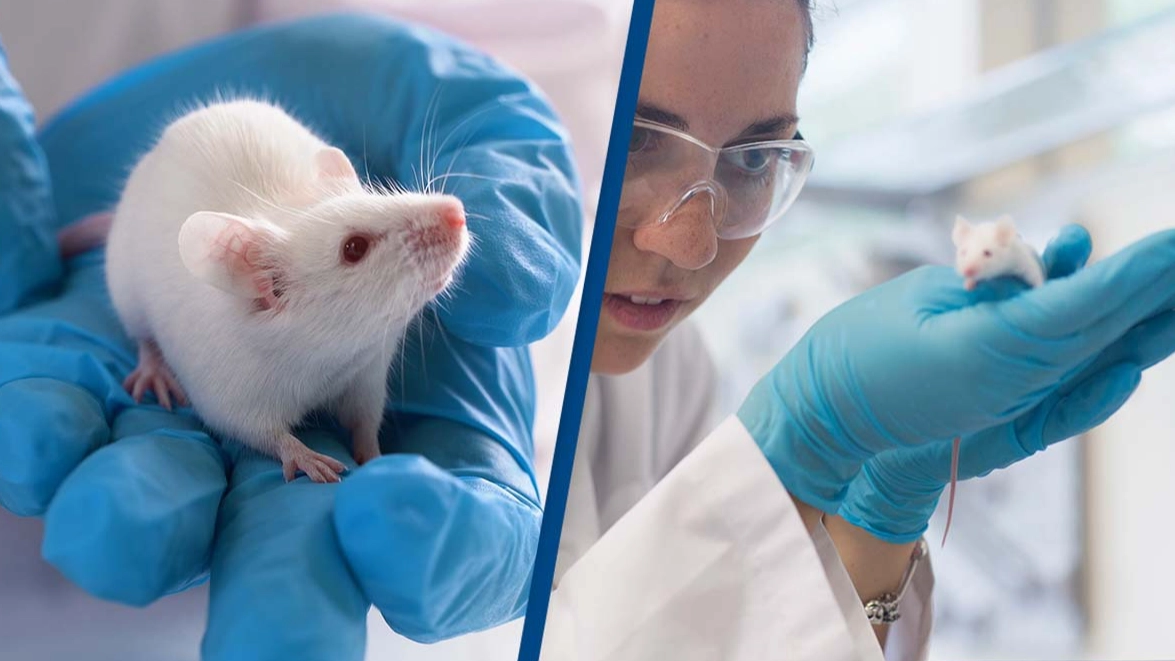
Scientists implant mice with deer cells and grow 'mini antlers' in major breakthrough

Scientists had a major breakthrough after implanting mice with deer cells, which allowed them to grow 'mini antlers'.
With huge advancements in technology, researchers are making incredible discoveries every single day.
Just this week we've seen experts hard at work attempting to 'de-extinct' the mammoth by 2028.
While that raised some concerns, there was a lot of excitement and intrigue from science geeks.
Advert
And now it seems there has been a step forward in regenerative medicine.
The results of a 2020 study, published in the journal Science, suggest that mammals that have lost the ability to regenerate organs may still contain some regenerative genes.
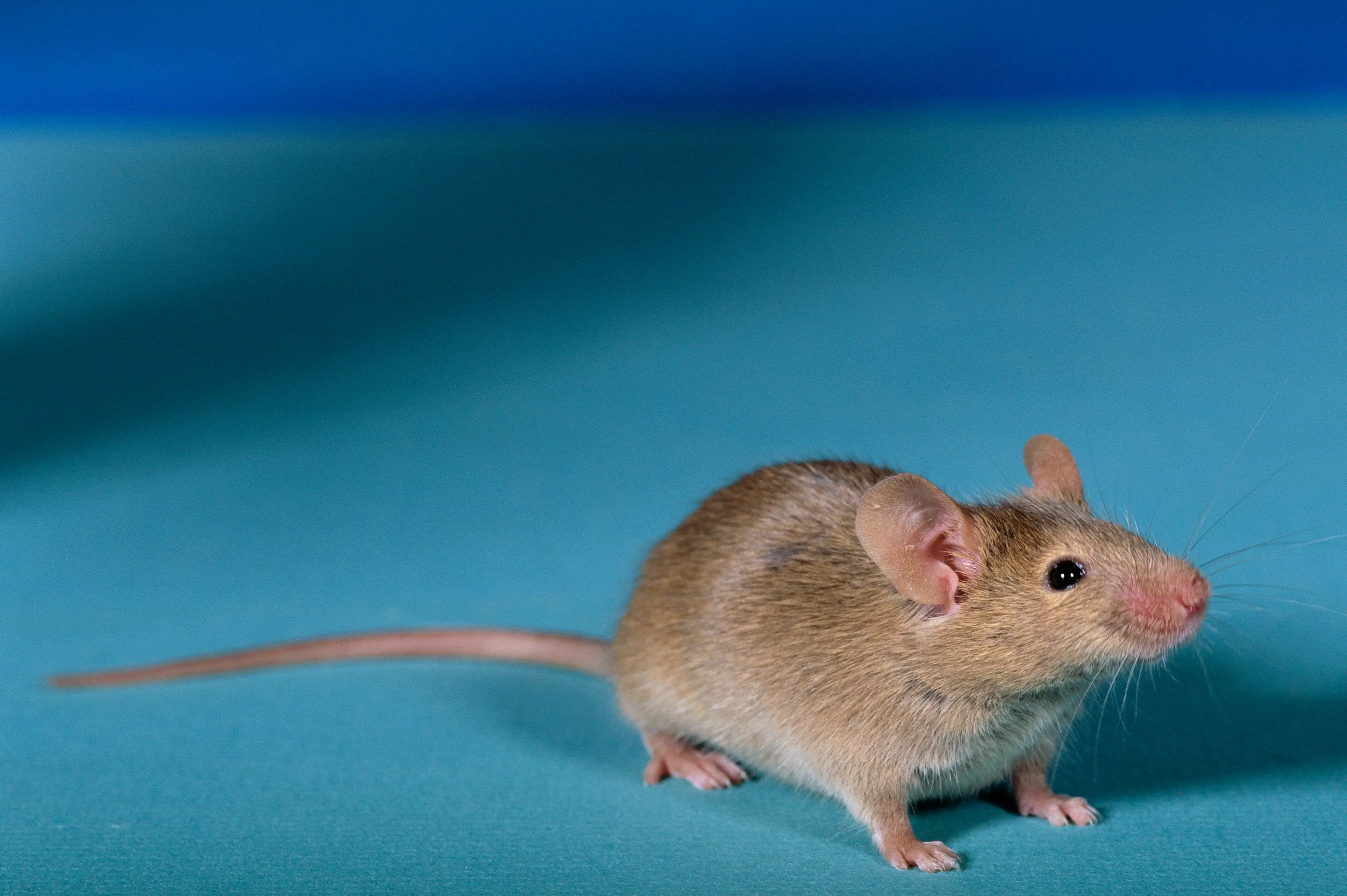
On top of that, it may be possible to harness the rapid growth of antlers in other ways that could prove vital to researchers.
These so-called 'mini antlers' grow at around 2.75cm per day, making it one of the fastest regenerating tissues in the animal kingdom.
Mammals in general have lost the ability to regenerate organs and most other tissues for that matter, so the antlers could certainly provide a unique insight into how regenerative medicine for bones could work.
Chinese researcher Tao Qin and his team - at the Northwestern Polytechnical University in Xi’an - delved deep into the mechanics behind the antlers of Sika deer, something that regroups each year before they shed.
From there, the scientists were able to create a regenerative 'atlas' of Sika deer antlers, subsequently isolating multiple single cells and genes that are crucial in the development of the antler tissue.
After identifying multiple stages of growth, the team took the stem cells with the most regrowth potential and cultured them in a Petri dish.
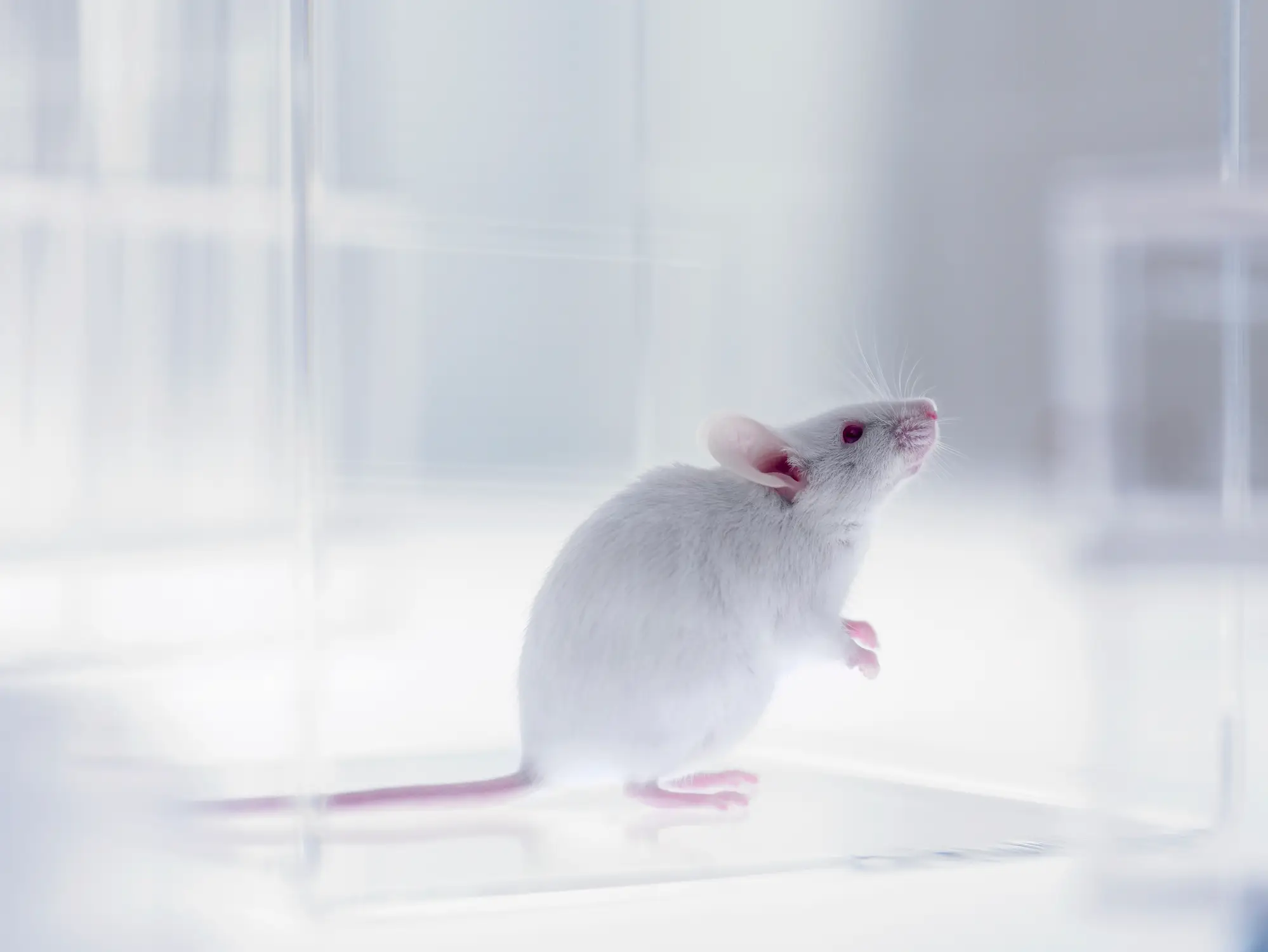
They then implanted the cells into the head of the mice, leading to some interesting developments after 45 days.
After just that short period of time, the mice had remarkably developed 'mini-antlers'.
And with that coming about so rapidly, researchers were given an insight into how this regenerative medicine could be utilized in humans.
"We present a spatiotemporal cellular atlas of antler regeneration, which provides a useful genetic and histological resource for mammalian organ regeneration," a conclusion in the journal read.
"Our results show that antler regeneration is consistent with a conceptual stem cell–based regenerative process."
Future treatment could raise ethical concerns about the cross-species implantation of cells, while significant safety trials would have to be conducted, too.
Topics: Science, Technology, Animals, Health
 Callum Jones