unilad homepage
unilad homepage
  • News
    • UK News
    • US News
    • World News
    • Crime
    • Health
    • Money
    • Sport
    • Travel
  • Music
  • Technology
  • Film and TV
    • News
    • DC Comics
    • Disney
    • Marvel
    • Netflix
  • Celebrity
  • Politics
  • Advertise
  • Terms
  • Privacy & Cookies
  • LADbible Group
  • LADbible
  • SPORTbible
  • GAMINGbible
  • Tyla
  • UNILAD Tech
  • FOODbible
  • License Our Content
  • About Us & Contact
  • Jobs
  • Latest
  • Archive
  • Topics A-Z
  • Authors
Facebook
Instagram
X
Threads
TikTok
YouTube
Submit Your Content
Millions Of 'Gene-Hacked' Mosquitoes Set To Be Released In California
Home>News
Published 17:33 9 Apr 2022 GMT+1

Millions Of 'Gene-Hacked' Mosquitoes Set To Be Released In California

The genetically modified mosquitoes could be released into California in order to control an invasive population of a particular species

Tom Wood

Tom Wood

google discoverFollow us on Google Discover
Featured Image Credit: Alamy

Topics: US News, Science, Weird, Animals, Health

Tom Wood
Tom Wood

Tom Wood is a LADbible journalist and Twin Peaks enthusiast. Despite having a career in football cut short by a chronic lack of talent, he managed to obtain degrees from both the University of London and Salford. According to his French teacher, at the weekend he mostly likes to play football and go to the park with his brother. Contact Tom on [email protected]

X

@TPWagwim

Advert

Advert

Advert

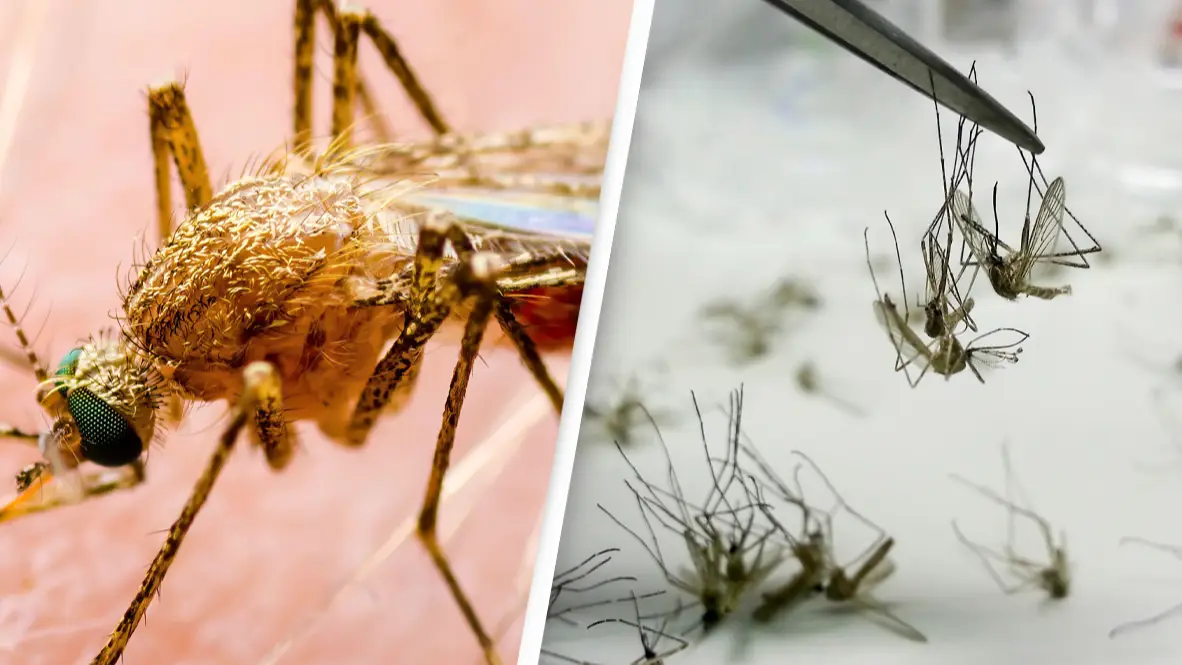
A company is planning to release a load of genetically modified mosquitoes loose in California in an attempt to lower the population of an invasive species, but not everyone is happy with the idea. 

UK-based company Oxitec has created a new genetically modified mosquito in a lab that could later be turned free in California as part of an experiment that has recently received approval from the US federal government.

The plan is that the newly created mosquitoes could help save half the population of the world from the Aedes aegypti mosquito, which is responsible for spreading diseases such as dengue fever, chikungunya fever and yellow fever to humans.
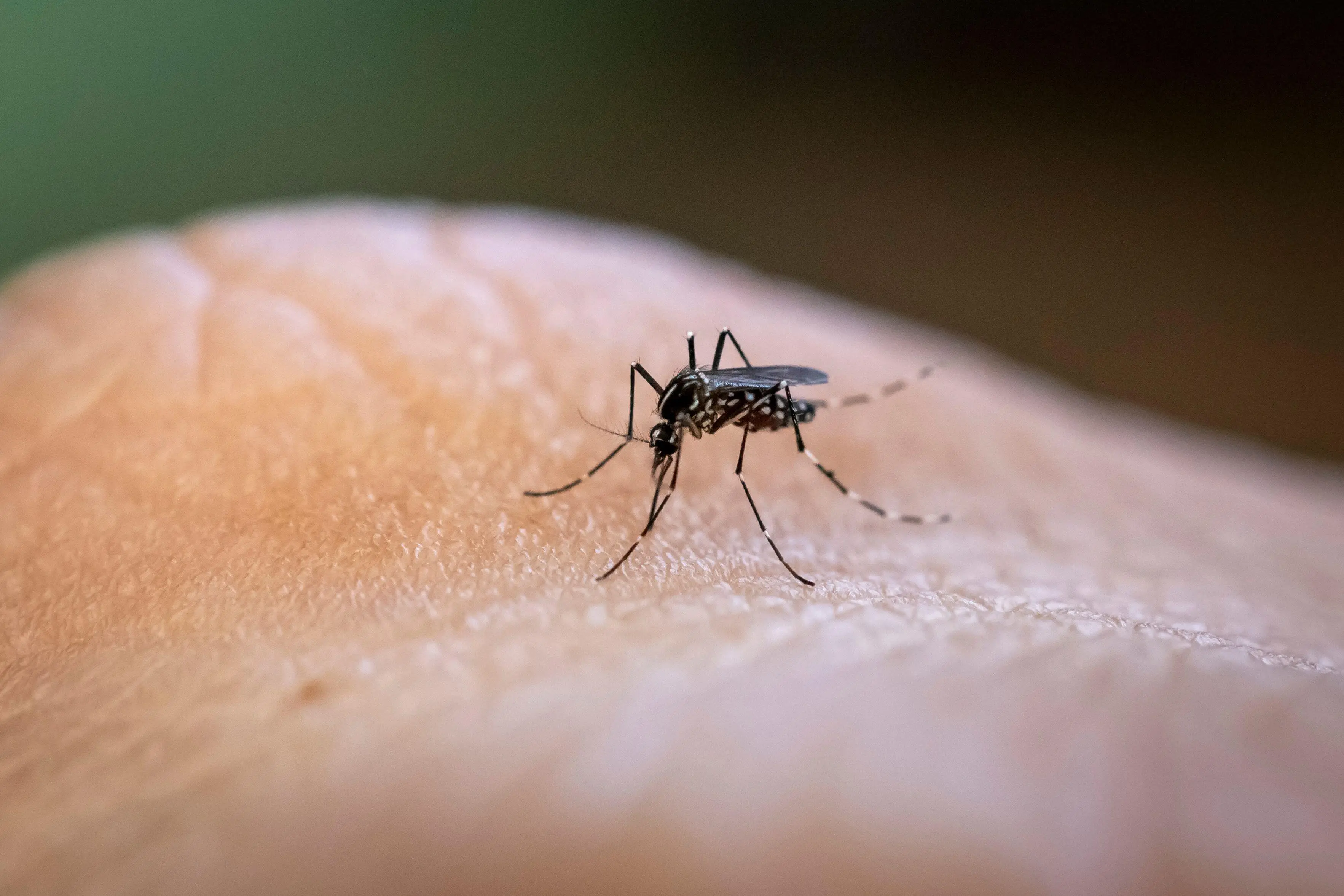
An Aedes aegypti mosquito.
Alamy

Advert

The idea is that these mosquitoes will be released into the wild, then breed with the invasive species before the female offspring die, drastically reducing the overall population.

The company claims that they managed to get rid of 95 percent of the invasive population when they conducted a similar experiment in an area of Brazil.

That doesn’t mean that the residents of California are mad about the idea, regardless of how ‘friendly’ these mosquitoes are claimed to be.

Even some of the other scientists have their reservations about the whole thing.

Advert

First off, it’s not always the best thing to do to release a load of experimental creatures into the wild, and claim that there are risks that maybe haven’t been considered.

Secondly, there are concerns from residents and barriers to approval for the scheme to be overcome yet.
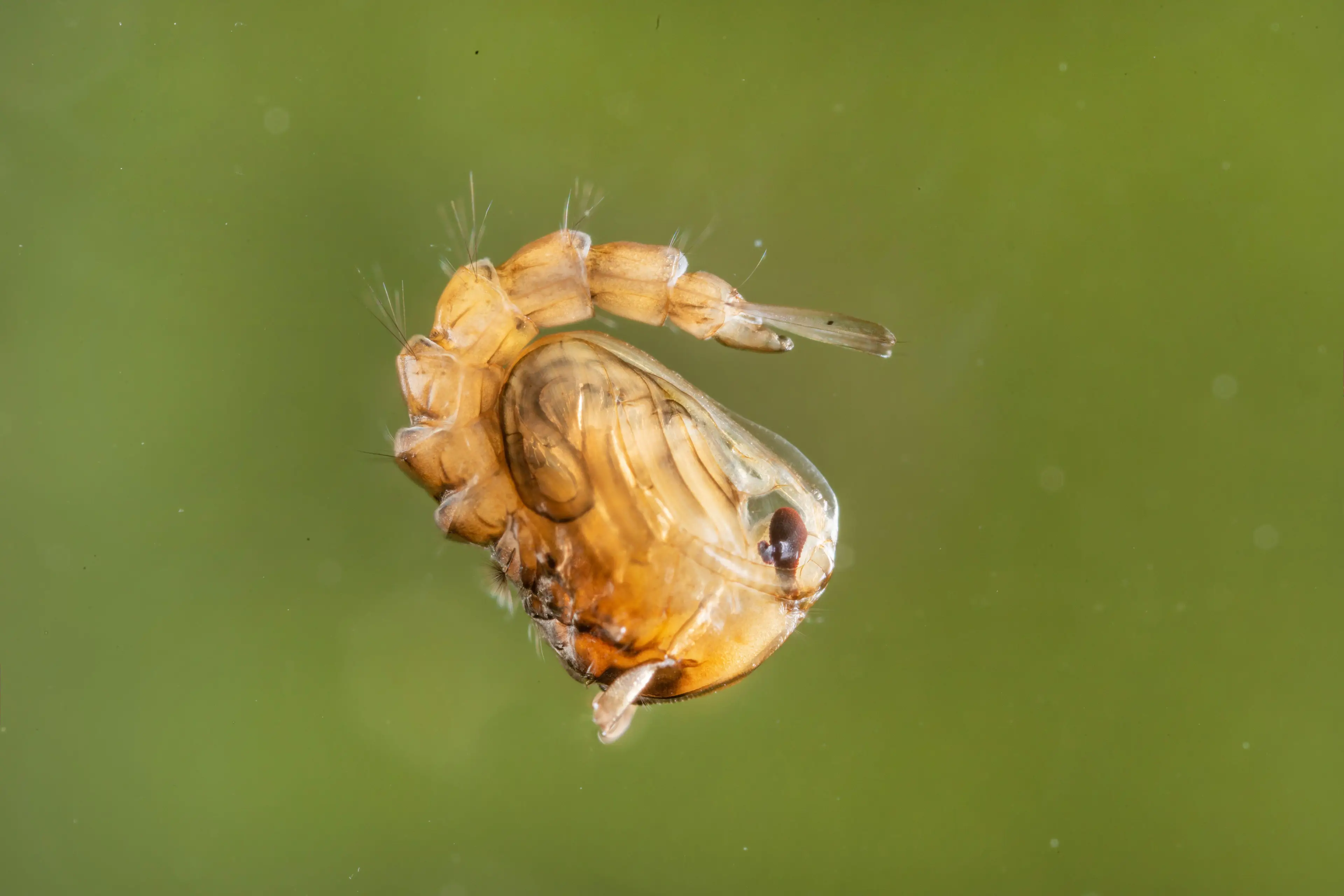
Mosquito pupa in water.
Alamy

They argue that the impact on other wildlife or even the ability to control the existent mosquito population could be affected.

Advert

Natalie Kofler, a bioethicist at Harvard Medical School, told the LA Times: "There needs to be more transparency about why these experiments are being done. How are we weighing the risks and benefits?”

After all, it’s not as if California is a hotbed for mosquito-borne diseases.

In fact, they’ve never had a case where an Aedes aegypti mosquito was found to have transmitted disease.

Oxitec’s head of regulatory affairs, Nathan Rose, says that the area has been chosen because the population of those mosquitoes was discovered around 10 years ago and increased rapidly.
Advert

Some residents claim they haven't had much consultation.
Alamy

Whilst the project has been given approval by the US Environmental Protection Agency, it still has a few hurdles to overcome before it can go ahead.

There is some opposition from residents, too.

One said: “This is alarming. Residents have not been consulted and they have not consented to being part of this.”

Advert

There’s no doubt that getting rid of mosquito-borne diseases would be massive, but there’s certainly a fair bit of opposition to this scheme.

If you have a story you want to tell, send it to UNILAD via [email protected]  

Choose your content:

7 hours ago
9 hours ago
  • Getty Stock Photo
    7 hours ago

    'Hidden gem’ with emerald lakes perfect for wild swimming has become number 1 country for tourists

    Searches for visiting country increased by 5,800 percent in July 2026 compared to July last year

    News
  • Getty Stock Image
    9 hours ago

    New safety warning issued for GLP-1 drugs over rare eye disorder

    36 cases have been reported in Australia among those taking GLP-1 medications

    News
  • PA Real Life
    9 hours ago

    Woman who dropped 7 dress sizes in just 8 months says doctors dismissed her cancer as anaemia

    65-year-old Yinka Sowemimo-Coker first started feeling unwell in April 2018

    News
  • Nikolas Kokovlis/NurPhoto via Getty Images
    9 hours ago

    New LinkedIn CEO shares 4 simple habits to boost career - including ditching phones

    Prepare to rethink how you're using LinkedIn

    News
  • Officials warn of giant jellyfish with 120 foot tentacles as they swarm US beaches
  • Millions of Americans are facing extremely hazardous air quality as smoke descends on the country
  • Oldest inmate set to be executed in Florida will face strict spending limit for final meal
  • One of 'humankind's most contagious viruses' is on the rise as millions traveled for World Cup