
New study claims smartphone use in teens is leading to 'hallucinations, detachment from reality and aggression'

Warning: This article contains discussion of mental health and suicide which some readers may find distressing.
A report has revealed the impact of smartphones on young people's mental healths and the suggested minimum age for kids to own their own device.
Look, there's no denying smartphones are wondrous things - a whole online world and pages of information at our very fingertips.
Advert
However, there's also no use denying that they aren't the bane of the universe too - distracting us from the natural beauty of the world, limiting genuine social interactions and connections, highly addictive and depressing.
The report
A report shared by Sapien Labs draws on the US' Center for Disease Control and Prevention (CDC) documenting 'growing rates of both sadness and suicide 10–18-year-olds since 2010, particularly in girls' alongside 'rising rates of violence and fear for physical safety' alongside India's National Mental Health Survey from the National Institute of Mental Health and Neurosciences (NIMHANS) documenting 'an increase in suicide rates among young people'.
The report examined the 'mind health and wellbeing of 10,475 internet-enabled adolescents aged between 13-17 across the United States and India' between August and November 2024.
The study used the Youth-MHQ - an online anonymous mental health assessment which 'captures 47 aspects of mind health together with a wide variety of life context and life experience factors'.
The study had particular focus on analysing 'rising feelings of aggression, anger and irritability' alongside 'hallucinations'.
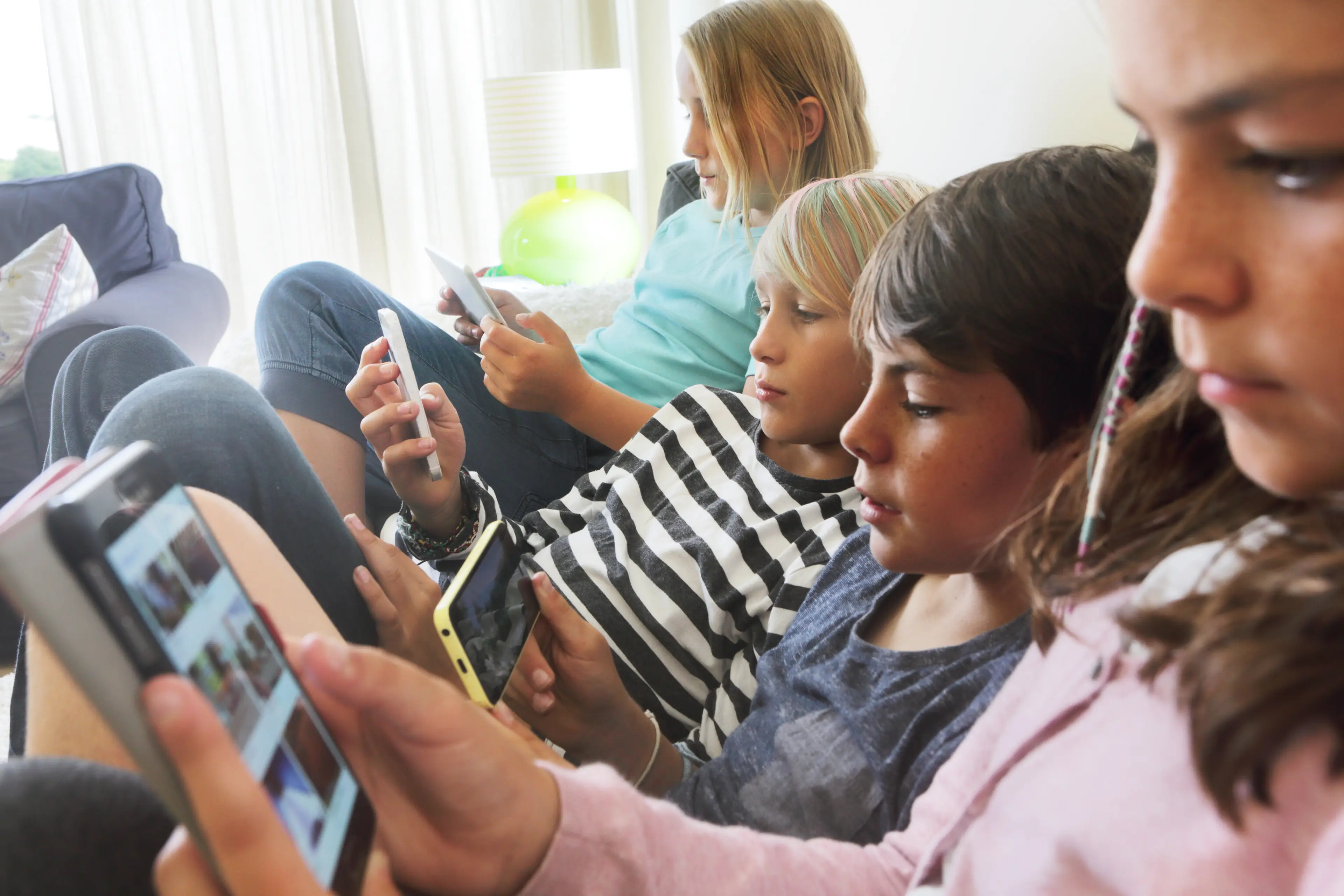
The results
The report found: "In both the US and India, over 50 percent of 13–17-year-olds indicated that feelings of sadness, guilt and anxiety caused them serious problems in their everyday life while debilitating unwanted strange thoughts and a sense of being detached from reality came in at 51 percent and 46 percent, respectively.
"[...] While not in the list of top 12 most prevalent problems, feelings of aggression towards others, hallucinations and anger & irritability were most increased in 13-year-olds compared to 17-year-olds overall."
'Most significantly', the report found 'among the 47 aspects of mind health queried, feelings of aggression, anger and hallucinations are rising most sharply with each younger age and are associated with the progressively younger age at which children are acquiring smartphones'.
"The dominant problems in 13–17-year-olds extend beyond sadness and anxiety to include unwanted, strange thoughts and a sense of being detached from reality, while the problems that are increasing fastest with each younger age group are feelings of aggression towards others, anger & irritability and hallucinations," it added.
The report also suggests the younger kids own a smartphone, the more likely they are to experience aggression and anger and there's 'a directional, but smaller, trend for hallucinations' too.
But how do phones result in children feeling like this?
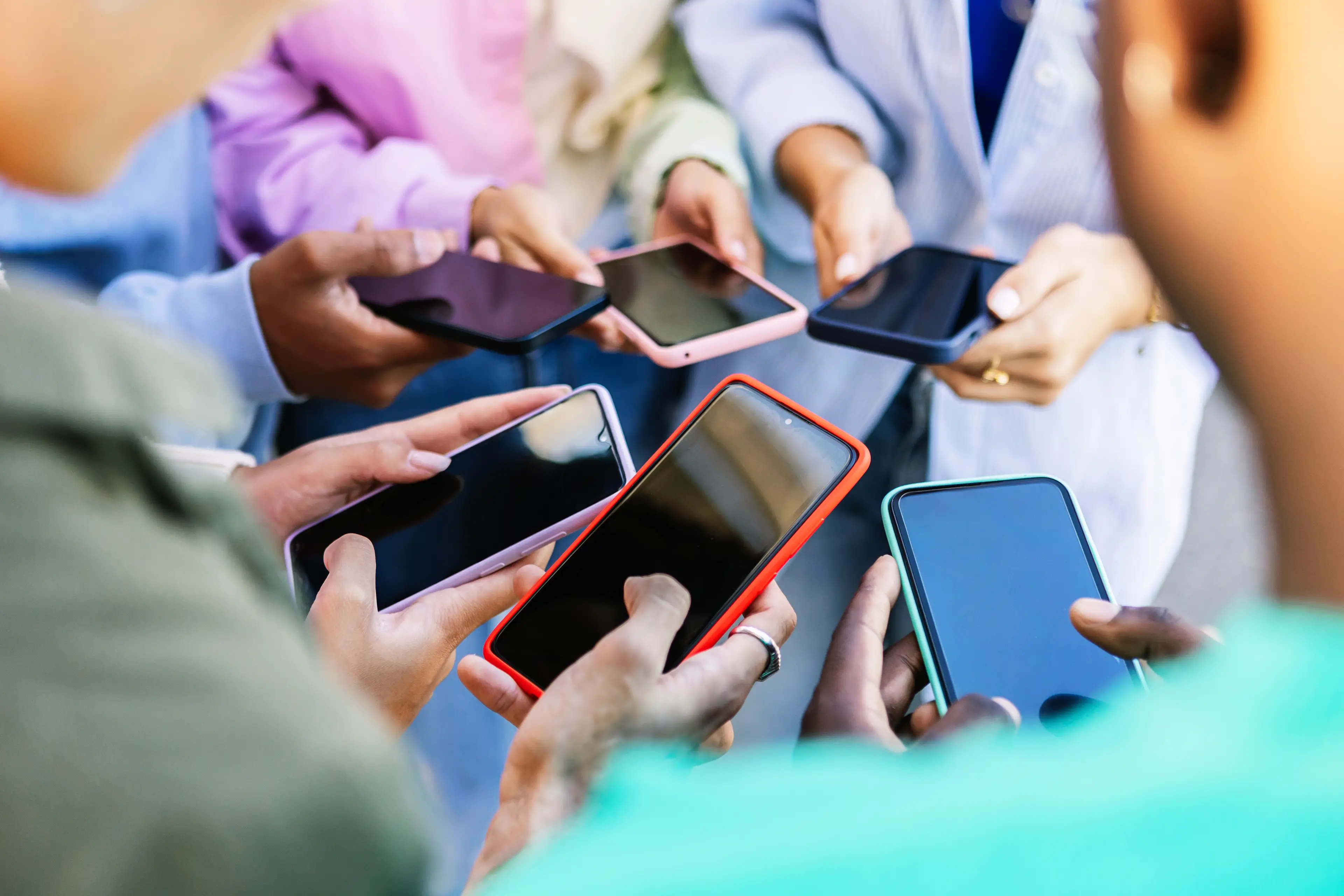
How phones lead to these emotions?
Well, the report notes it's 'still not yet fully clear how owning a smartphone from a young age gives rise to these problems' but reflects on the 'exposure to content that is inappropriate for a younger audience' which can be found in the 'virtual world' - such as violent content or bullying on social media platforms - alongside phones taking kid away from 'family-and-community-centric experiences'.
Excessive screen time can also lead to less hours sleeping, worse sleep quality and in turn, less sleep can increase irritability and anger in children, potentially negatively impacting their social interactions too.

What it means for the future
While noting it can be 'challenging' to limit screen time and 'inappropriate content' online, the report suggests following a 'policy of "wait until 8th" or later' - only given a child a smartphone once they reach 8th grade - 13 to 14 years old - 'as to give [children] more time to develop healthier social skills and reduce tendencies for anger and aggression'.
The report resolves: "As we continue to study these trends and explore the underlying causes, one thing is clear: swift action is needed to safeguard younger generations from a future marked by increased anger, aggression, and violence."
If you or someone you know is struggling or in crisis, help is available through Mental Health America. Call or text 988 to reach a 24-hour crisis center or you can webchat at 988lifeline.org. You can also reach the Crisis Text Line by texting MHA to 741741.
Topics: Phones, Technology, Mental Health, iPhone
 Poppy Bilderbeck