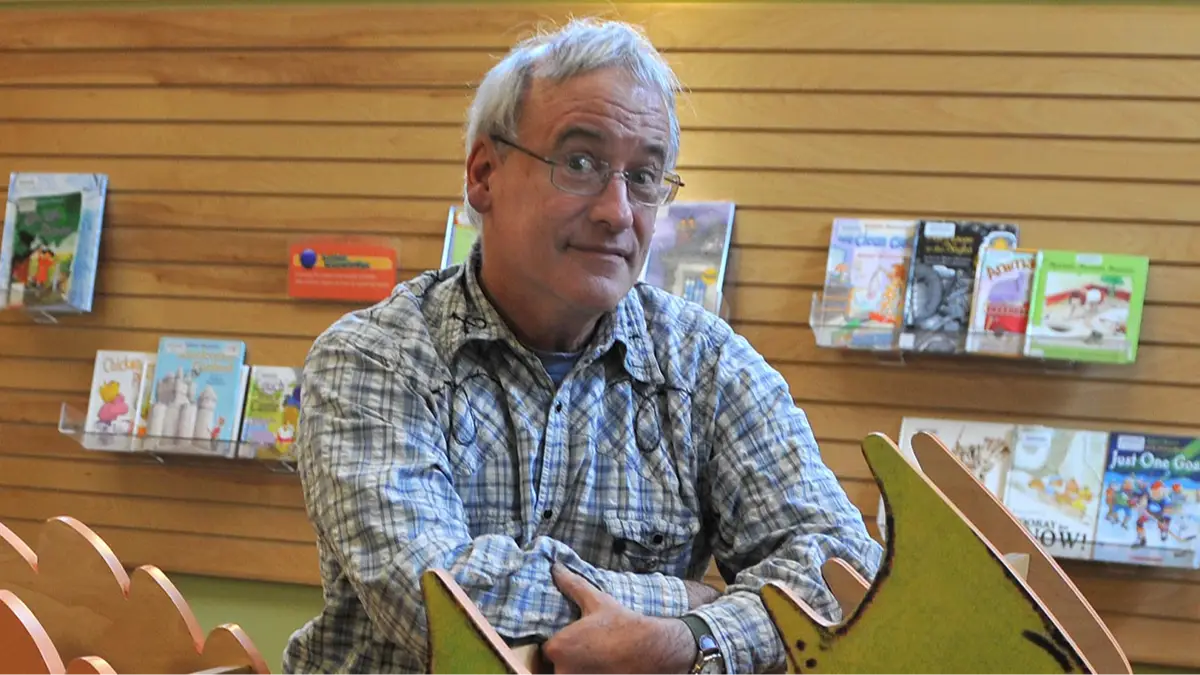
Man who will die by assisted suicide explains heartbreaking reason behind his decision

A man who will die by assisted suicide has explained the reasoning behind his decision.
Robert Munsch is a much-loved children's author, having published a total of 85 books, including the likes of 'The Paper Bag Princess' and 'Love You Forever'.
The author, who was born in Pittsburgh, US, was diagnosed with dementia in 2021, and he later received a diagnosis of Parkinson's Disease.
Both conditions can be extremely debilitating, and there's no cure for either. Shortly after his diagnosis, Munsch applied for 'medical assistance in dying', or MAID, and was approved.
Advert
Medically-assisted dying was legalized in Canada in 2016, though applicants must meet several requirements to be eligible, such as having 'serious and incurable illness' and being in an 'advanced state of irreversible decline in capability, as well as making a 'voluntary request that is not the result of external pressure' (via the BBC).
Since being made legal, the euthanasia law was later updated in 2021 to allow people with chronic physical conditions, even if they weren't in life-threatening circumstances.
In his interview with The New York Times, the author says he has no intended date for death; however, he would go 'when I start having real trouble talking and communicating', adding: "Then I'll know."
As for what made him decide to pursue assisted suicide, he explained that it was influenced by watching his brother die from Lou Gehrig's disease, which is the most common form of motor neurone disease (MND).
"They kept him alive through all these interventions. I thought, let him die," the author said.
In accordance with Canadian law, Munsch said he must be lucid on the day of his death, as he said: "I have to pick the moment when I can still ask for it."
He said that for now, his stories are 'mostly free from the problems I have with speech', with 'these little nuggets' still perfectly preserved.
His daughter, Julie Munsch, took to her Facebook page after her father's interview to clarify that he wasn't dying.
She wrote: "My father IS NOT DYING!!! Thanks to everyone and their well wishes, however, my father’s choice to use MAID was in fact made 5 years ago, this is not new news, and it was discussed in an interview with the CBC in 2021.
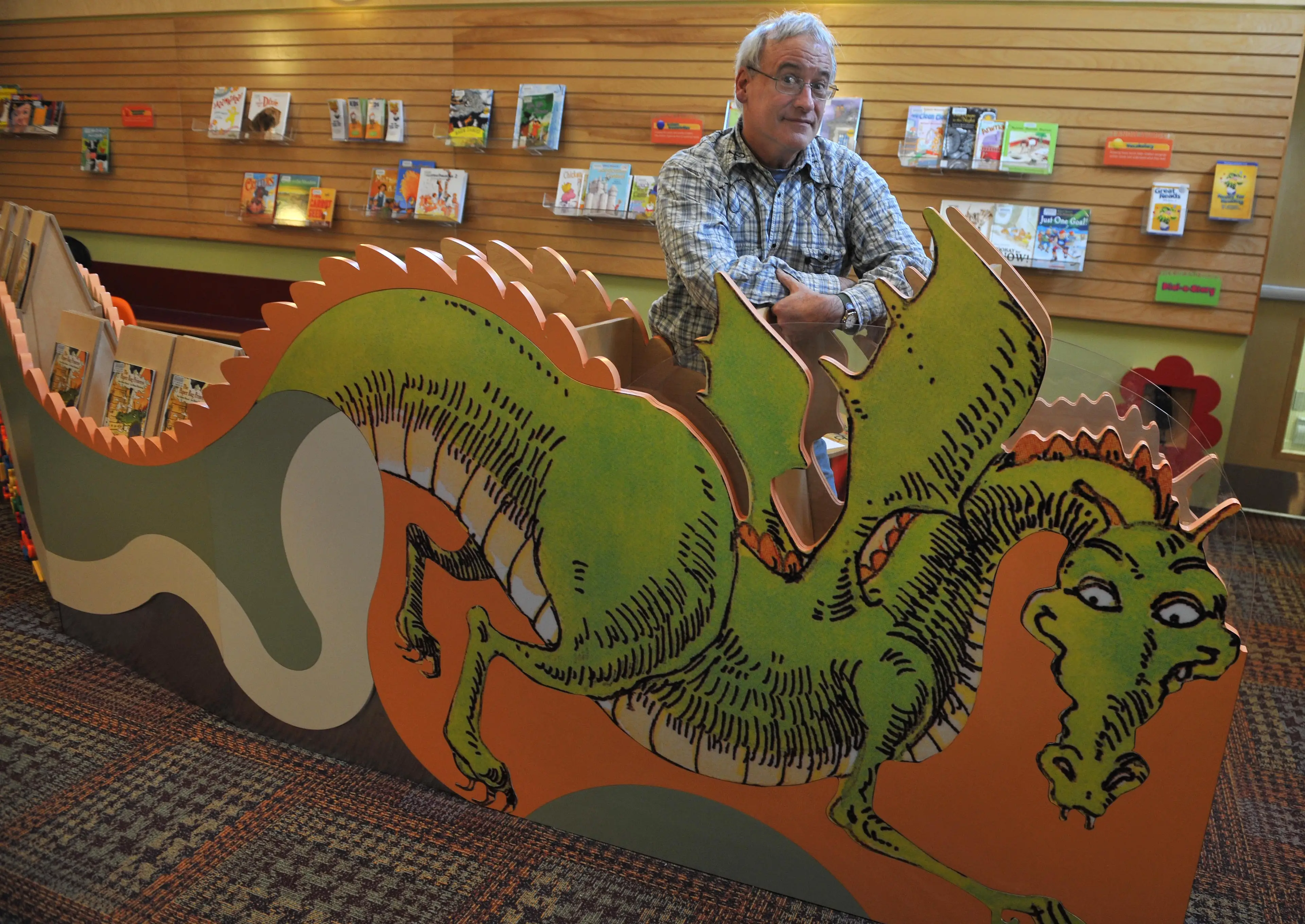
"My dad is doing well, but of course, with a degenerative disease, it can begin to progress quickly at any point.
"The New York Times article is a great interview with my dad and nowhere does it say my dad isn’t doing well, nor that he’s going to die anytime soon!"
In 2021, Munsch opened up about his 'ongoing dementia, telling CBC: "I can't drive, I can't ride a bicycle, I can't write. So it's been really whittling away on who I thought I was. I kind of thought I would like to do this interview as a last hurrah."
Though he added that his diagnosis came as a 'relief' as he'd known something was not right, he expressed some worry over what he might be like in a year.
"Now, if I were God in charge of the world, I would make it illegal," he continued. "I worry about what I'll be in a year. Will I be a turnip in a bed in a year?"
He added that his stories were 'all there', as he said they'll 'be the last thing to go, I think'.
 Callum Jones